

Introduction — a quick scene, some numbers, one big question
I still remember rolling up to a tiny shop in Shenzhen at dawn, boxes of brittle prints stacked like playing cards — and thinking, this can’t be the norm. Resin materials were the talk of the floor: photopolymer vats, tacky parts, and a pile of failed dental crowns. In 2018 we tracked 1,200 prints across three printers and found a 14% scrap rate driven mainly by inconsistent layer adhesion and undercure (real numbers, from our inventory logs). So how do you stop that churn and keep performance predictable when everyone’s juggling different resins and printer setups? — no fluff, straight take.
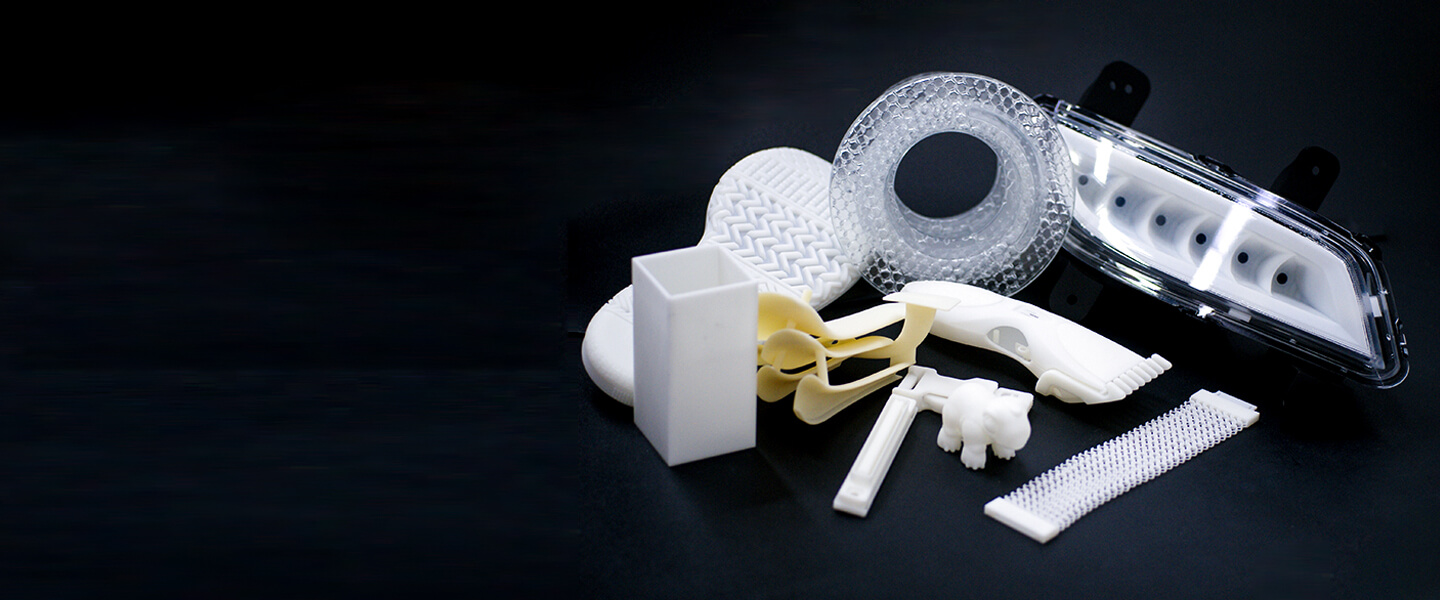
I’ve been in commercial 3D printing and materials distribution for over 15 years, shipping bulk batches to clinics and OEMs, and I’ve seen the same mistakes repeat. I’ll be blunt: process drift kills margins. You’ll read about photopolymer specs and viscosity charts, but you need hands-on checks and clear metrics. Let me walk you through where the classic approaches break down and what actually moves the needle.
Where traditional fixes fall short: the hidden pain under SLA workflows
I want to dive into sla 3d printing technology right away because most teams treat it like a black box. They swap resins, change exposure, and hope for the best. That rarely works. No joke — in a March 2020 run for a dental client in Guangzhou, swapping to an off-brand low-viscosity photopolymer cut print time but raised post-curing failures by 22%. The trade-off was clear: faster cure vs. final strength (shore hardness drift).
Why do failures keep happening?
First, people underestimate material variability. Two liters labeled the same can differ by measurable viscosity. Second, they ignore the post-curing step or treat it as optional. Third, quality control often focuses on single metrics like surface finish while ignoring functional tests such as tensile or flex fatigue. I’ve sat through too many meetings where the data stops at “looks okay” — and that cost a customer 9% in rework last quarter. No scripts. Just facts.
Industry terms matter here: layer thickness, post-curing, and photoinitiator concentration all affect final part properties. If you don’t monitor those, you’ll chase symptoms. I want you to see the patterns I’ve learned: repeatable exposure settings plus batch-tracked resin lots beat one-off tweaks. No heroics. Practical checks and a simple lot log do wonders — I learned that after a long night fixing a 500-piece run in 2016.
New principles for consistent resin performance — where we go next
Now let’s shift gears to where I put my money: predictable systems over hoping for magic. I advocate three core principles: controlled input, measurable process, and enforced output checks. Controlled input means traceable resin batches and basic analytics on viscosity and photoinitiator levels. Measurable process means fixed exposure recipes tied to layer thickness and a defined post-curing curve. Enforced output checks are quick functional tests — a 3-point flex or a small tensile coupon — run every production lot. I first formalized this in Q2 2017 for a medium-sized implant supplier — within six months they cut rework by nearly 30%.
Let me explain one technical point: when you tune exposure for a thinner layer thickness, you must adjust cure time and post-cure energy. Miss that, and layer adhesion drops. Simple, right? Well — it’s rarely done cleanly. Adopting basic metrology tools like a handheld viscometer and a UV radiometer will save you headaches and money. I recommend accessible gear: a Brookfield-style viscometer and a UVA radiometer calibrated monthly (we did this in our Ningbo facility in late 2019 and saw immediate variance control).
What’s next for materials and workflows?
Looking forward, printers and resins will get smarter, but the work remains the same: control inputs, measure process, test output. Also, flexible process materials are coming up in demand — and yes, that includes flexible 3d printing material for elastomer-like parts. These need stricter curing maps and shore testing. Expect more suppliers to offer certified lot data; adopt it. The payoff is clear: lower scrap, steadier lead times, and happier procurement teams. A single tightened spec saved one client in 2021 roughly $12,400 over three months — small change for many, huge for margin.
Here are three concrete metrics I use to evaluate any SLA resin workflow — they guide buying and ops decisions. 1) Lot-to-lot viscosity variance (%) measured monthly. 2) Post-cure energy and time window, documented per resin. 3) Functional pass rate for a standard coupon (aim to keep failures under 5%). Use these and you’ll spot drift before it becomes a crisis — I promise I’ve seen the reverse work in the field. — this is practical, not theoretical.
Closing: three practical checks before you buy or scale
I’ll leave you with a short checklist I use when vetting suppliers and resins for wholesale orders. First: ask for a recent viscosity read and a post-cure recipe for the resin lot (if they won’t give it, be cautious). Second: demand a small batch test — 50 parts with defined layer thickness and post-cure — and measure functional properties. Third: set acceptance criteria up front (tensile strength, shore hardness, and dimensional tolerance). These are measurable, verifiable, and they prevent surprises. I used this checklist last month with a new European client and avoided a mismatch that would have cost them two weeks of downtime.
I’ve been doing this for over 15 years in the commercial 3D printing space. I prefer systems that are simple to audit and tough to game. If you apply the three metrics above and insist on batch traceability, you’ll see steadier output. For practical supplies and certified data, check what UnionTech offers for a start: UnionTech.