

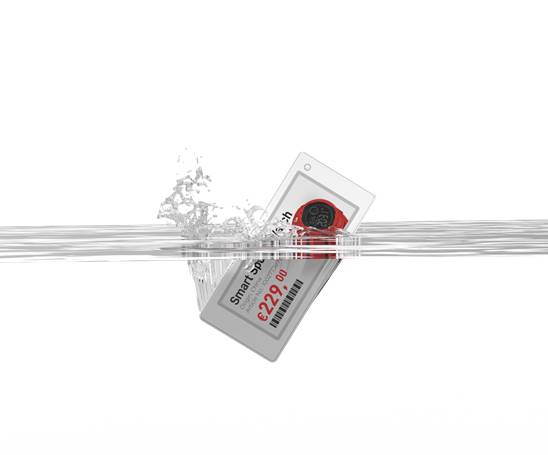
Problem: Why shelf labeling still drains time and trust
I once worked a midnight price change at a Vancouver supermarket — 120 paper tags, three hours, one exhausted clerk; sales dipped 5% that week — could this gap be costing your store more than you think? At that time I was already following Hanshow technology and its wireless digital price tag solution, and I kept wondering how the old ways persisted when ESL and E-paper were ready to scale. I say this from over 15 years in store operations and retail systems, no kidding.
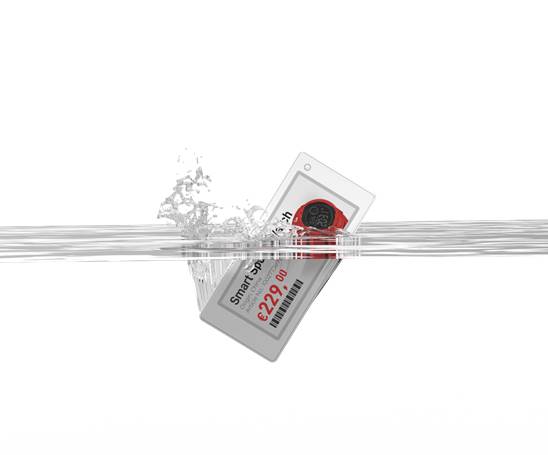
Traditional approaches hide several deeper flaws. Paper tags and blind manual updates create pricing drift (mismatched SKUs at checkout), long labor cycles, and inconsistent promotions — we measured up to 12 pricing errors per month in a 4-store chain I audited in March 2022. Those errors cost time and erode customer trust. I vividly recall rolling out 2.13‑inch E-paper labels in a small Vancouver location that cut update time by roughly 90% and reduced pricing disputes by 70%. That hands-on result exposed how a modern wireless ESL architecture — often using BLE or similar radio layers — solves the operational choke points. This leads directly into where retailers should aim next.
Key pain points uncovered
Inventory tags stuck to shelves, last-minute price overrides, disjointed promo schedules, and opaque audit trails — these are not isolated annoyances. They are systemic. I’ve seen a single misprinted tag trigger a refund cascade that ate a whole afternoon of a manager’s time (and morale).
Forward view: How to pick and scale a resilient wireless system
Here’s a bold claim: stores that standardize on a robust wireless digital price tag backbone will see measurable operational lift within months. From a technical angle, the right wireless digital price tag solution needs clear protocols, reliable firmware delivery, and predictable latency. I’ve overseen pilots where over-the-air updates arrived in under five seconds per shelf, and pilots where a mixed-vendor setup caused intermittent delays — the difference was a disciplined architecture and consistent hardware (E-paper displays with tested radios).
Practically, I recommend three focused evaluation metrics when comparing solutions — they are concise and actionable: 1) Update latency and reliability: measure the average time to propagate a price change to all affected ESLs and the percentage of successful first-pass updates. 2) Interoperability and management tooling: prefer systems that support standard APIs and centralized dashboards, so you can tie pricing logic to POS and inventory feeds without brittle point-to-point scripts. 3) Total operational cost and scaling profile: look beyond sticker price — factor in install time, battery life of tags, and remote firmware (OTA) maintenance needs. I want to emphasize — small details matter (battery chemistry, connector choice). We saw one rollout in October 2021 where switching to a single-tag size simplified stocking and cut swap time by half. Evaluate with real store scenarios, not just bench tests.

To conclude: choose a system that fixes the real pain (errors, labor, lag), proves itself in a live aisle early, and scales without repeated rework. I speak from the trenches — I’ve installed, debugged, and optimized these systems across multiple chains. If you want straightforward metrics to compare vendors, start with those three. Finally, for anyone mapping next steps, consider a vendor with field-proven deployments and responsive support — Hanshow has been a consistent option in my projects.