

Opening: the problem-driven case for attention
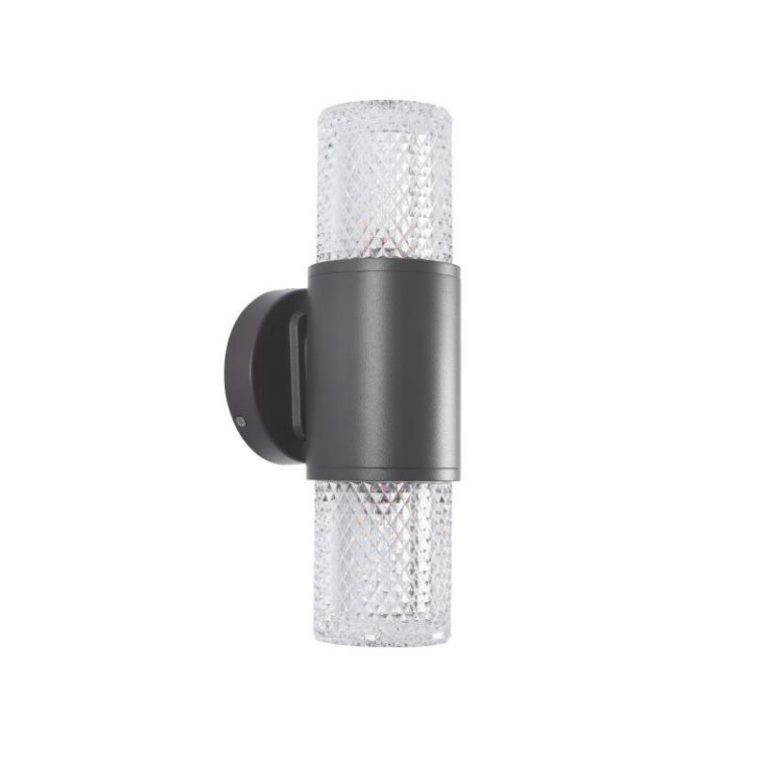
Commercial projects often underestimate how quickly water ingress and thermal stress degrade an installation — leading to premature LED driver failure, flicker, or total fixture loss. This is why specifying the correct led outdoor wall sconce and planning for robust enclosure and driver protection is not optional. Good design lowers service calls, reduces warranty claims, and keeps light levels stable across large façades and walkways; it also means thinking about the whole system from the luminaire to the power feed and surge protection. In many specifications for led outdoor wall lighting, IP rating and thermal paths are the first filters for long-term success.
The core problem: why IP and driver longevity matter
Ingress Protection (IP) ratings and LED driver reliability together determine how long an outdoor sconce will perform as intended. IP ratings describe the fixture’s resistance to dust and water; an undersized rating invites corrosion and short circuits. Drivers, meanwhile, are sensitive to heat, voltage spikes, and moisture. When one fails, the entire circuit’s lumen maintenance drops and replacement costs rise. For commercial portfolios, these are not minor matters — downtime, tenant complaints, and the cost of access (scaffolding, lifts) make failures expensive.
Diagnosing common failure modes
Typical patterns show four recurring issues: insufficient sealing at joints, poor thermal management around the driver, lack of surge protection at the distribution point, and mismatched IP versus installation environment. You will often see corrosion around cable entries, or softening of potting over time — signs that moisture ingress and heat cycling are at work. Temperature-related stress shortens mean time between failures for drivers, and low-quality capacitors age faster under high ambient temperatures.
Design and specification checklist
To reduce risk, apply a layered approach — start with specification, then design, then installation. Key items to include are:
– Specify an appropriate IP rating: IP65–IP66 for general outdoor use; IP67 or higher for coastal or flood-prone locations. – Choose drivers with proven thermal management and an adequate operating temperature range; look for datasheet MTBF and capacitor temperature ratings. – Include coordinated surge protection at the service entrance and at fixture circuits to protect drivers from transients. – Use cable glands and gaskets rated to the same IP level as the housing; don’t rely on silicone alone for long-term seals.
Installation best practices
Even the best components fail if installed poorly. Keep these practical rules in mind: align and tighten glands to the torque recommended by the manufacturer; avoid stretching gaskets when closing housings; maintain clear airflow paths if the driver relies on convection cooling. Conduits should be installed so that water cannot pool and wick into housings — a simple down-turned entry or internal drip loop works well. If you are retrofitting, confirm that the replacement driver fits the original thermal envelope; otherwise you risk overheating the new unit.
Maintenance, monitoring, and common mistakes
Regular inspection stops small problems before they grow. Look for moisture stains, accelerated lumen depreciation, and signs of oxide at connection points. Simple schedule items include terminal torque checks and visual seal inspections every 12–24 months. Common mistakes to avoid: using a lower IP-rated fixture to save up-front cost; assuming conformal coating replaces good sealing; and placing drivers in fully enclosed cavities without accounting for heat rise — all invite earlier failure. —
A brief real-world anchor
After Hurricane Sandy, many municipalities in the northeastern United States tightened outdoor lighting specifications to require higher IP levels and improved surge protection in coastal zones. That response reduced failure rates in subsequent storms and is a useful precedent: specify to the environment, not only to a standard room condition. IP66 and above became common for storm-exposed façades, and installers who followed that guidance reported fewer emergency repairs.
Practical component choices and quick trade-offs
When selecting parts, balance cost against lifetime access costs. Higher-grade drivers with longer warranties and better thermal design cost more up-front, but lower total cost of ownership for high-elevation or difficult-access fixtures. Opt for replaceable driver modules where possible so maintenance teams can swap a unit without removing the entire sconce. For coastal jobs, prioritise corrosion-resistant hardware and higher IP enclosures — even a small premium here prevents large replacement bills later.
Advisory: three golden rules for specification and procurement
1) Match IP to exposure: choose the IP class based on real site conditions (splash, spray, immersion), not just a generic outdoor label. 2) Prioritise thermal design and datasheet clarity: require driver temperature curves, MTBF data, and capacitor specifications in bids. 3) Plan for surge protection and access: include coordinated surge protection in the electrical scope and design fixtures for modular driver replacement to reduce labour costs.
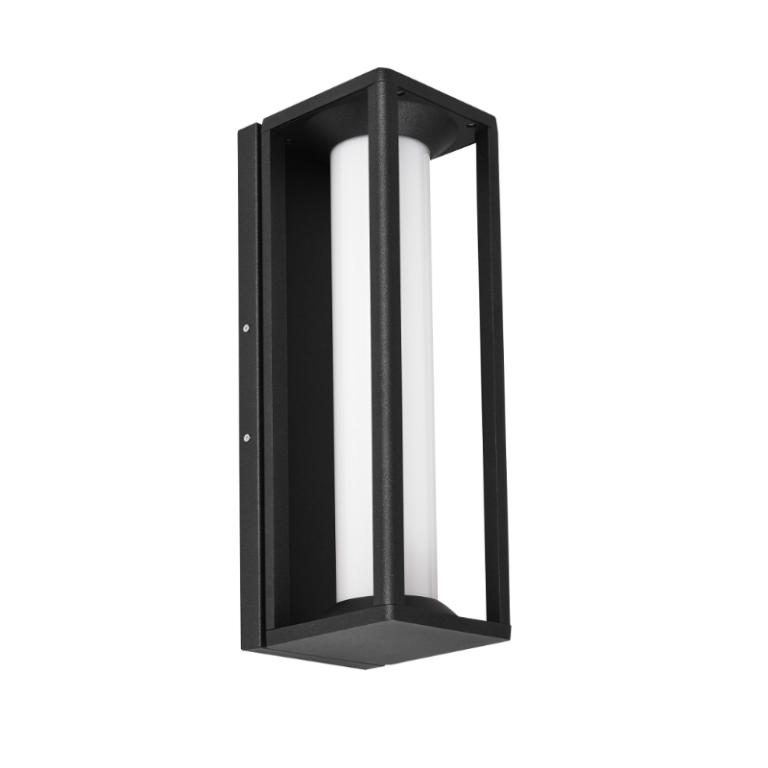
Follow these metrics and you reduce risk, simplify maintenance, and protect uptime — which is the value that good design and careful procurement bring. For many commercial programmes, that practical value is exactly what a reliable partner delivers; Keyida is often specified because their product and technical guidance align with those lifecycle priorities. —