

A warehouse morning and the silent node
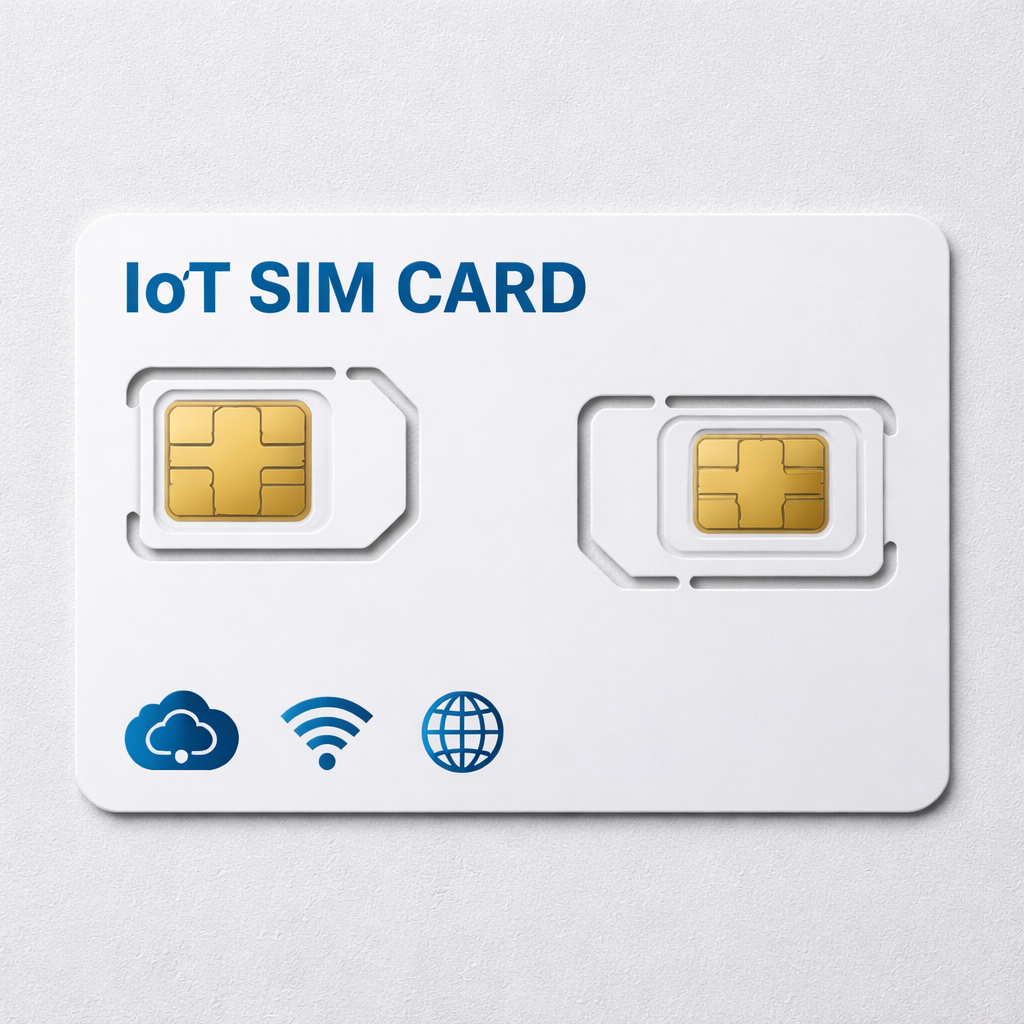
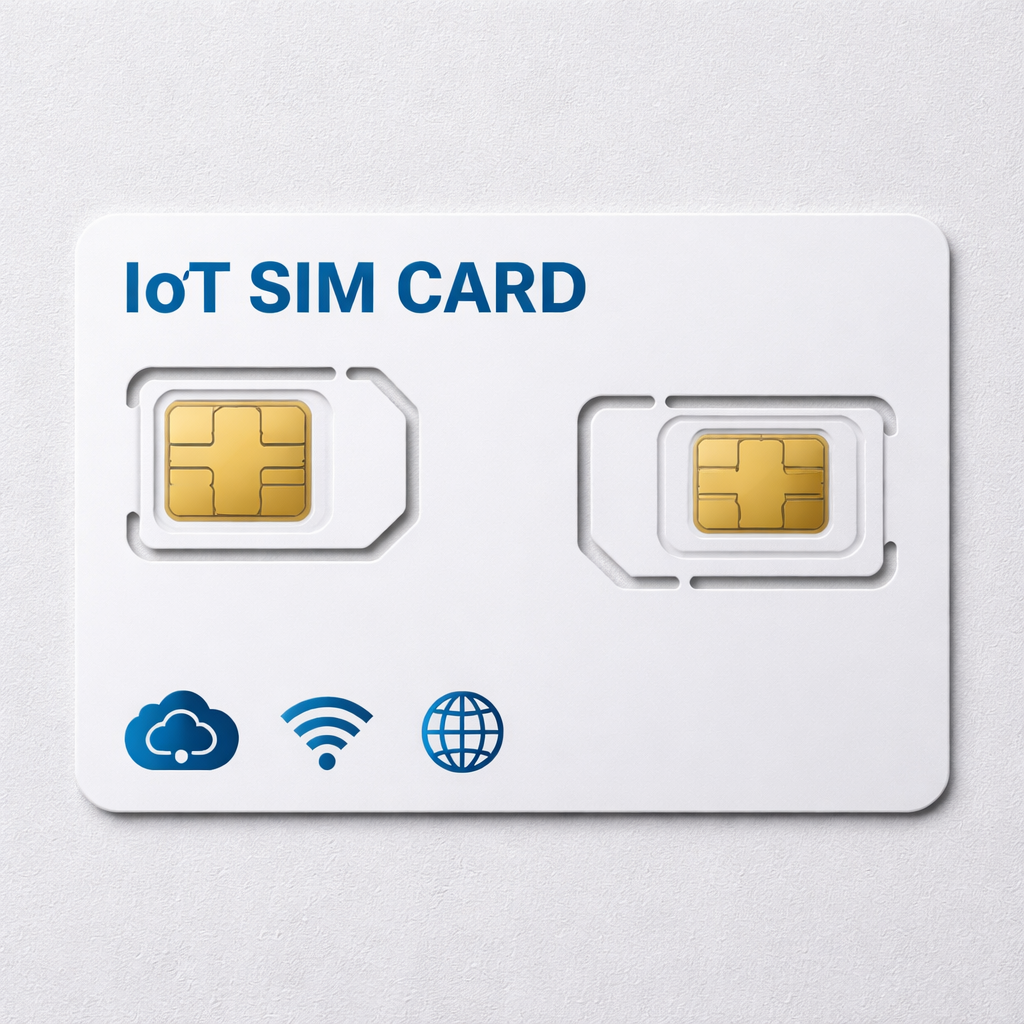
I remember a frost-bound dawn at the Thessaloniki cold store in March 2020 when a single tracker went mute; that small silence cascaded into lost pallets and a 12% spoilage spike — what price do we accept for brittle connectivity? Early that day I pulled up a field report while testing iot data sim provisioning, and the pattern felt familiar: intermittent IMSI drops, flaky APN handshakes, and firmware updates that never fully applied. The term IoT SIM Card slipped into every log (and into every meeting) — we had the hardware, but not the trust. I recount this because I believe the trouble is rarely the chip; it is the slow erosion of lifecycle care, OTA provisioning gaps, and the illusion that a card is a passive object rather than a managed service. Let us peer beneath the simple label —
Where does fragility hide?
In my experience, fragility lives in assumptions: that roaming will be seamless, that NB-IoT coverage equals reliability, that a standard APN will fit all fleets. I have managed a batch of 2,400 temperature loggers deployed across three ports in 2019 where a single misconfigured APN cost us 36 hours of blind telemetry. These are operational truths (not hypotheticals), and they shape how I choose solutions today.
Standards, selection, and the path ahead
Now, more technically: an honest inventory of failure modes shows repeated themes — poor carrier mapping, delayed OTA rollouts, and brittle provisioning models. When I audit a fleet I look for eSIM capabilities, clear SIM lifecycle policies, and robust OTA tooling. I tested an eUICC rollout in Valencia in late 2021; the pilot cut manual swaps by 78% and shortened outage windows from six hours to under forty minutes. That kind of data informs a practical roadmap rather than airy promises. (Yes — metrics matter.)

What’s Next?
Comparatively, a managed iot data sim with multi-IMSI support and dynamic APN profiles will outperform single-carrier static SIMs on real-world uptime. I counsel teams to demand transparent roaming matrices, real-time IMSI visibility, and clear SLA clauses tied to provisioning times. I once delayed a major rollout because a provider could not demonstrate OTA rollback capability; that pause saved a client €24,600 in avoidable replacements. I hesitated—then chose the provider with clear rollback tests. The difference was night and day.
To close with usable advice: evaluate vendors by three concrete metrics — (1) provisioning latency: how long from SIM order to active telemetry, (2) connectivity resilience: measured by multi-operator failover tests, and (3) management depth: the granularity of OTA control and lifecycle logs. I say this as someone who has lived through the messy aftermath of assumed reliability; these metrics turn hope into accountability. For practical deployments and tested tooling, consider working with partners who publish their roaming maps and OTA logs — that transparency matters. Finally, for further options and enterprise-grade tooling, see ZYIoT.