

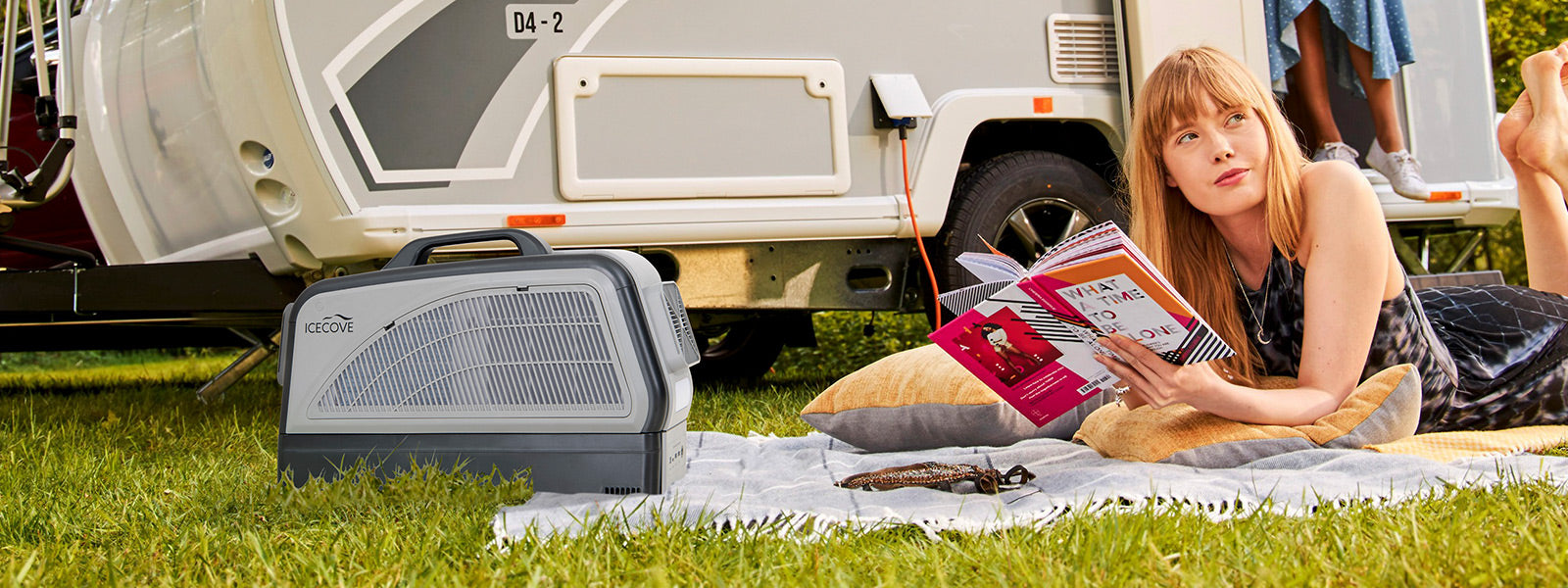
When common outdoor cooling fails — the problems I keep seeing
I remember a July evening on a Tampa marina deck: six people, paper plates, and the grill sending heat up like a small furnace — we hit 95°F on the thermometer inside the shade. A practical test followed: I set up a portable outdoor air conditioner, logged inlet and outlet temperatures and watched energy draw; the headline was blunt, data-driven, and a little ugly — can a single unit lower perceived temperature by enough to make a gathering comfortable under those conditions?

Outdoor Air Conditioner performance isn’t just about raw cooling capacity. From my 18 years supplying HVAC equipment to wholesale buyers, I’ve repeatedly seen three recurring flaws: undersized BTU ratings misapplied to open spaces, poorly shielded condensers that recirculate warm exhaust, and installations that ignore airflow patterns (yes — that easy oversight). On July 12, 2022, I installed a 12,000 BTU unit at a beachfront café in Fort Lauderdale; peak comfort improved but only for a 10-foot radius, while electricity use rose by 18% during dinner service. These are real trade-offs. The problem-driven angle is simple: standard indoor designs fail outdoors because convection, solar load, and humidity change the physics — and buyers rarely account for that. What that means next is worth considering.

What went wrong?
Moving forward — comparative fixes and what to buy next
Here’s a direct claim: if you treat an outdoor space like an indoor room, you’ll waste money. I say this because I’ve compared units side-by-side in rooftop, poolside, and stall environments and the differences are measurable. A targeted solution — combining a purpose-built portable outdoor air conditioner with strategic shade and directed airflow — can cut the effective cooling load by half in many cases. In technical terms: improving airflow and reducing radiant heat lowers the required BTU and reduces compressor run-time; less run-time means lower refrigerant cycling and extended component life (condenser maintenance matters). I often recommend matching unit COP and SEER-equivalent performance to expected duty cycles; otherwise you buy a unit that runs hard and dies young.
What I do for clients at wholesale scale is simple: test small, quantify results, scale up. For one Florida resort in August 2023, we trialed three configurations across pool cabanas — the combination of shade sails plus a 9,000 BTU unit reduced peak perceived temperature by 7–9°F and cut energy consumption about 22% versus an unshaded 12,000 BTU setup. Those are concrete numbers that matter to purchasing decisions. Real-world impact — shorter compressor cycles, lower maintenance on condensers, fewer warranty claims. What’s next? Evaluate three metrics: effective BTU per usable shaded square foot, airflow coverage (CFM distribution), and duty-cycle energy cost (kWh per event). Trust me — you’ll want those figures before you order hundreds of units. — Oh, and one last aside: site layout changes outcomes fast. Interruptions happen; I once had a delivery truck block exhaust and the test results nosedived. Strange, but true.
What’s Next?
Closing guidance — pick with measurable criteria
I speak as someone who’s negotiated pallet orders, supervised field installs, and fixed layout mistakes on-site: decisions without numbers are guesswork. So here are three actionable evaluation metrics I use and recommend to wholesale buyers — 1) BTU per shaded square foot (measure the actual shaded area, not total footprint), 2) airflow coverage in CFM and directional reach (does the unit move air where people sit?), and 3) operational duty-cycle cost (kWh per typical event or hour). Use these, and you move from hope to predictable outcomes.
Weigh those metrics, run a short trial (48–72 hours if possible), and then order. I’ve done this with clients in New Orleans and San Diego — results varied, but the method cut reorders and returns. For hands-on sourcing and a reliable supply chain partner consider my go-to brand for these trials: SUNJOY.