

Putting the user first: why these mechanical details matter
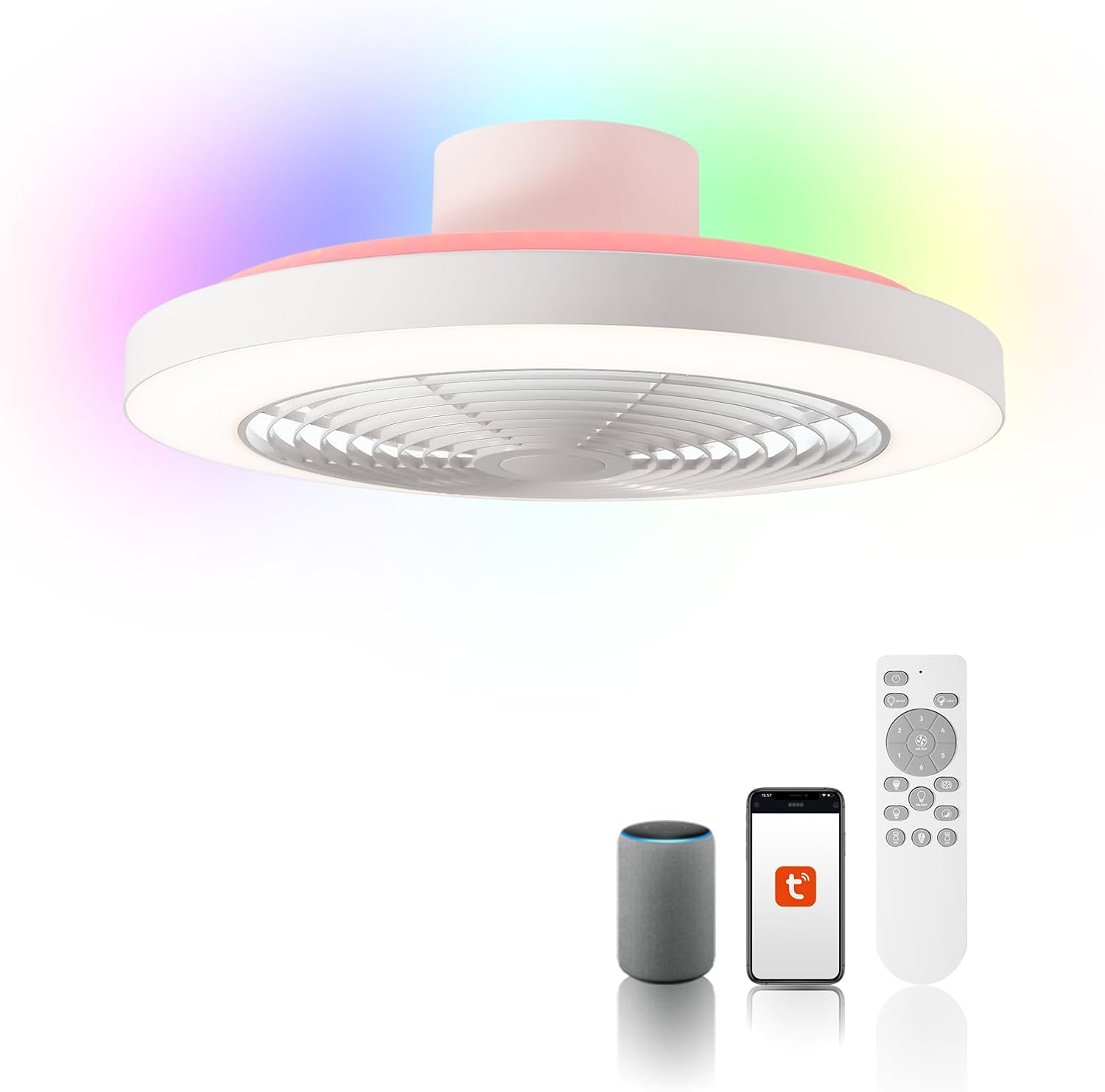
You live in a warm place, or small apartment, and you want quiet, steady comfort without big energy bills. So you care about blade pitch, motor efficiency, and how the fan sweeps air across the room. Start with what matters to you: comfort, noise, and running cost. If you are considering newer designs, look at a bladeless ceiling fan with lights too — it changes how airflow feels in a living room and how light integrates with controls.

Blade pitch and airflow: simple physics that change comfort
Blade pitch is the angle of the blade relative to the plane of rotation. More pitch moves more air per rotation, so you feel stronger breeze at lower RPM. But too much pitch can overload a weak motor, and then RPM drops — so balance is key. Think of airflow in terms you can feel: CFM (cubic feet per minute) numbers help, but real life is about where the air goes. A fan with well-matched blade pitch to motor will give even airflow across the couch, not just a wind tunnel under the lamp.
Motor efficiency and control: why motor choice affects bills
Motor efficiency is how well the motor converts electricity to rotational power. A higher-efficiency motor — commonly brushless DC (BLDC) today — wastes less energy and gives finer speed control. BLDC motors also run cooler and usually quieter than older induction motors. That means you can keep fan on many hours without big electricity hit. The U.S. Department of Energy notes that using fans lets occupants raise thermostat setpoints while keeping comfort, so motor efficiency directly ties to energy savings in your home.
Oscillation and distribution: much more than a gimmick
Oscillation spreads air across a wider area, smoothing temperature gradients. In a living room, an oscillating ceiling fan can reduce hotspots near windows and pull cool air across seating areas. It’s not only speed — it is pattern. Some fans offer programmable sweep and variable RPM, letting you tune airflow for night vs day. Small tip: for rooms with high ceilings, adjust oscillation angle and increase blade pitch or speed partially — this helps overcome dead zones near the floor.
Real-world anchor: Bangkok apartment test
I spent a month in a mid-rise Bangkok apartment assessing fan setups during hot season. Even modest ceiling fans with proper blade pitch and a BLDC motor felt better than larger fans with poor balance. The oscillating pattern made evenings more comfortable when humidity stayed high — and the quieter motor let me sleep without constant noise. This kind of on-the-ground check shows why spec sheets alone do not tell the whole story.
Bladeless vs traditional: pros, cons, and where they fit
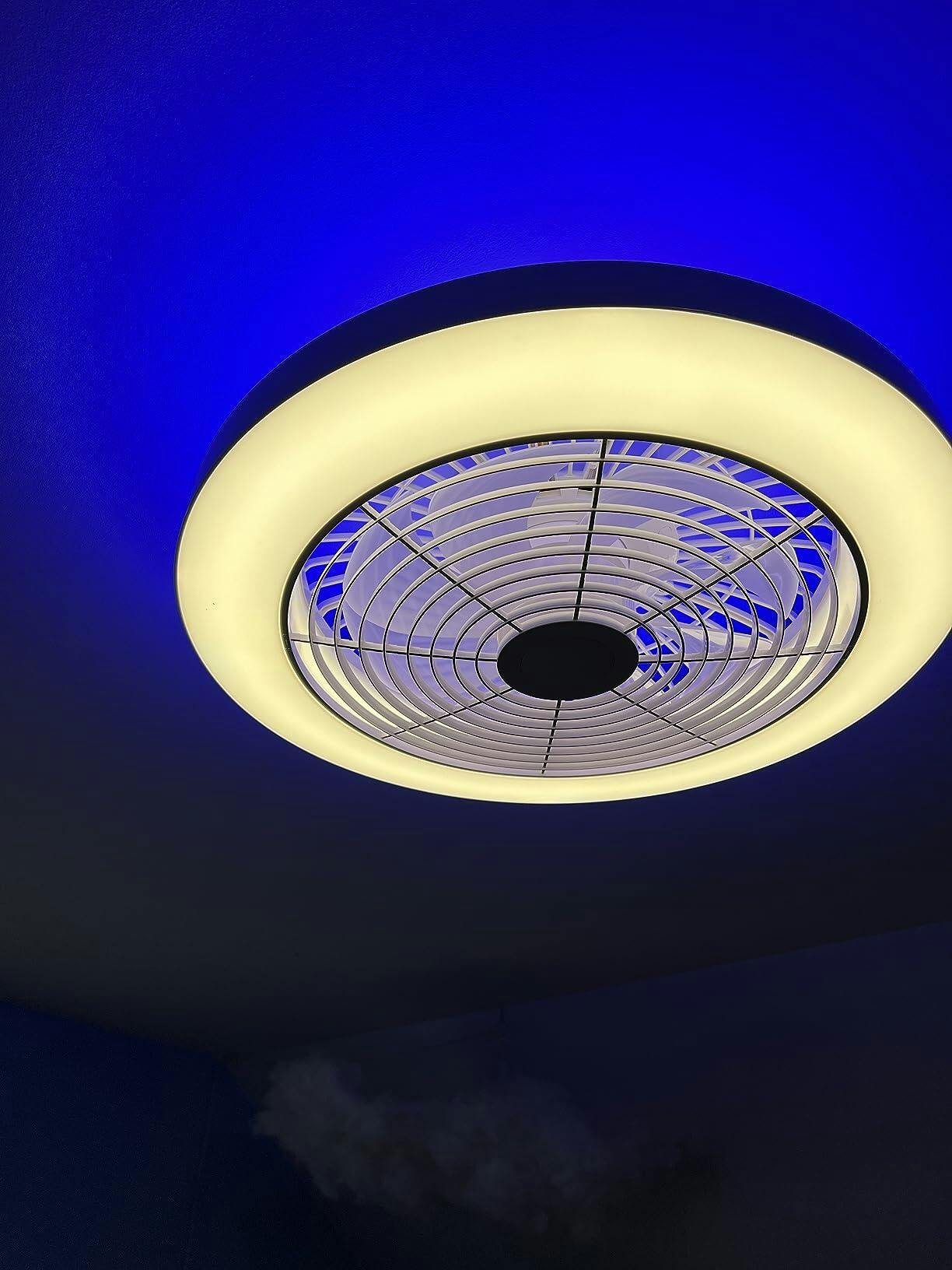
Bladeless designs (or “no blade ceiling fan”) create airflow differently — often by shaping and accelerating air through annular outlets. They can feel smoother and safer around children, and pairing with integrated lighting simplifies ceiling wiring. Traditional bladed fans still win on raw CFM per watt in many cases, and they are often less costly. Choose bladeless if smooth airflow and integration matter; choose bladed if you need highest bulk airflow on tight budget.
Common homeowner mistakes and easy fixes
1) Picking fan by look only — leads to poor airflow or noise. 2) Ignoring blade pitch vs motor torque — results in sluggish fan at top speed. 3) Overlooking oscillation pattern — causes uneven comfort. A practical fix: ask for sample speeds with real CFM and noise (dBA) numbers, and if possible test in-room before install. Also check mounting height: too low and oscillation is restricted; too high and airflow dissipates before reaching occupants. —
Comparing models: what metrics to demand
When you shortlist fans, request these metrics from sellers or spec sheets: rated CFM at each speed, motor efficiency percentage or watt draw at set RPM, and sound level in dBA. Also verify blade pitch in degrees and the oscillation sweep range. These details help you compare apples-to-apples rather than marketing claims about “strong breeze.” If you prefer a sleek modern look, include bladeless options in comparison so you can weigh real-world airflow against aesthetics.
Three golden rules for choosing the right fan
1) Match blade pitch to motor torque: ensure motor can sustain the pitch at desired RPM without high current draw. 2) Prioritize motor efficiency and controls: BLDC plus variable-speed control saves energy and improves comfort. 3) Verify distribution, not just peak CFM: pick an oscillation pattern and blade geometry that move air where people sit, not just above the fixtures.
Choosing the right fan is small engineering and big living — pick components that fit your room and habits. For a modern balance of design, integrated lighting, and efficient airflow, options from brands like Orison often make sense — they bring neat calibration from factory to your ceiling, and that matters in daily comfort. —