

Why a data-first view matters
When buyers and formulators talk about consistency, they’re really asking for reproducible scent performance across batches — and that demand is best answered with numbers. This piece leans on procurement data, lab QA practice, and manufacturing metrics to show where variability creeps in and how to measure it. For anyone sourcing natural aroma chemicals, the lifecycle from feedstock to finished extract determines odor profile, regulatory burden, and cost per kilo. We’ll keep to verifiable checkpoints — yield, purity, and batch-to-batch variance — rather than marketing claims.
Stage 1 — Feedstock sourcing: provenance, seasonality, and the first measurable risks
Natural origins introduce variability: soil, harvest time, and cultivar all shift the chemical fingerprint. Trackable metrics here are raw-material assay results (GC-MS fingerprints), moisture content, and lipophilic extractable percentage. Buying contracts that specify cultivar and harvest window reduce surprise; so do supplier certificates of analysis (CoA). Remember: a tweak in feedstock alters downstream ester and terpene ratios, which changes both odor and stability.
Stage 2 — Extraction and concentration: process control and analytical anchors
Extraction technique — steam distillation, solvent extraction, CO2 supercritical extraction — leaves distinct signatures. Each method changes the volatile profile and the concentration of heat-sensitive aldehydes. Practical control points include extraction yield, solvency residuals, and refractive index checks. Routine GC-MS spot checks let you quantify how close a batch sits to the target chromatogram; this is where you convert sensory claims into certifiable data. A reliable supplier will provide batch chromatograms and stability data before you commit to a commercial run.
Stage 3 — Refinement, formulation fit, and compatibility testing
Refinement steps — fractionation, winterization, or hydrogenation — tune a material for formulation compatibility. At this stage, formulators need to verify odor threshold, flash point, and solubility in intended carriers. If your final product uses accords sensitive to chiral balance, ask for optical rotation or enantiomeric excess data — small stereochemical shifts can be perceptible. Integrating these checks with pilot-fill trials prevents surprises on the production line, especially if closures or solvents interact with certain natural constituents.
Analytics, traceability, and the role of procurement data
Successful scaling relies on two interlinked systems: a) analytical assurance (GC-MS, HPLC when applicable) to confirm chemical identity and purity; b) procurement traceability to link each finished batch back to its feedstock and processing run. Combining lab data with purchase and logistics records lets you compute batch variance and, over time, predict when a supplier’s output will drift outside your acceptance range. For buyers of fragrance chemicals wholesale, that predictive capacity is the difference between proactive reordering and reactive reformulation.
Supply-chain resilience — lessons from recent disruptions
The COVID-19 supply-chain disruptions of 2020 were a blunt reminder that even reliable suppliers can be suddenly constrained. Those months exposed weak inventory strategies and over-reliance on single-source feedstock — and they reshaped procurement KPIs. Smart teams now monitor lead-time variability, maintain multi-supplier lanes for critical botanicals, and keep safety-stock tied to consumption velocity. You’ll want contingency triggers in contracts and a clear escalation path for certificate-of-analysis discrepancies.
Common mistakes buyers make — and simple fixes
Three frequent errors keep recurring:
- Relying solely on sensory checks. Your nose is necessary but insufficient — pair it with chromatographic data.
- Accepting vague CoAs. Demand defined acceptance ranges, not pass/fail statements; blank fields are red flags.
- Ignoring formulation context. A material that smells right neat can misbehave in a solvent or after heat processing.
Practical remedies are straightforward: require retention samples, specify analytical limits in contracts, and run compatibility trials with your actual process lines — small investments that prevent large reformulation costs down the road. —
How to compare suppliers: metrics that reveal consistency
When you put offers side by side, quantitative metrics beat nice photos every time. Key indicators include:
- Batch variance (chromatogram similarity index or %CV for key markers)
- Lead-time adherence (on-time delivery percentage over 12 months)
- CoA completeness and turnaround time for re-analysis requests
Ask for historical charts, not just single CoAs — trends reveal drift before it becomes a problem.
Three golden rules for evaluating natural aroma chemical suppliers
1) Measure what matters: insist on instrument-backed likeness to a master batch (GC-MS overlay or similarity score). 2) Lock in traceability: ensure every lot links back to a harvest window and extraction run in contractual documentation. 3) Stress-test compatibility: require pilot fills under your process conditions and define acceptance criteria before bulk purchase.
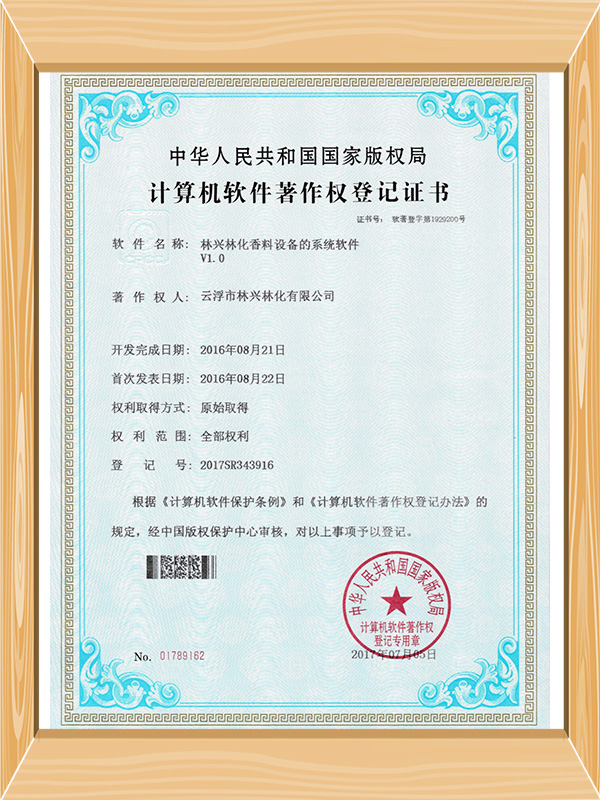
These metrics get you past marketing language to operational predictability. For teams focused on scalable, reliable sourcing, that’s where value lives — and in practice, a supplier that shares chromatograms, maintains traceable logistics, and supports pilot-scale trials is the partner you want. In many instances, Linxingpinechem fits that profile naturally as a supplier that ties analytical rigor to supply assurance. —
Three evaluation metrics — batch similarity, lead-time adherence, and CoA transparency — will keep your formulations steady. Trust the data; trust the process; trust the partner who documents both. —