

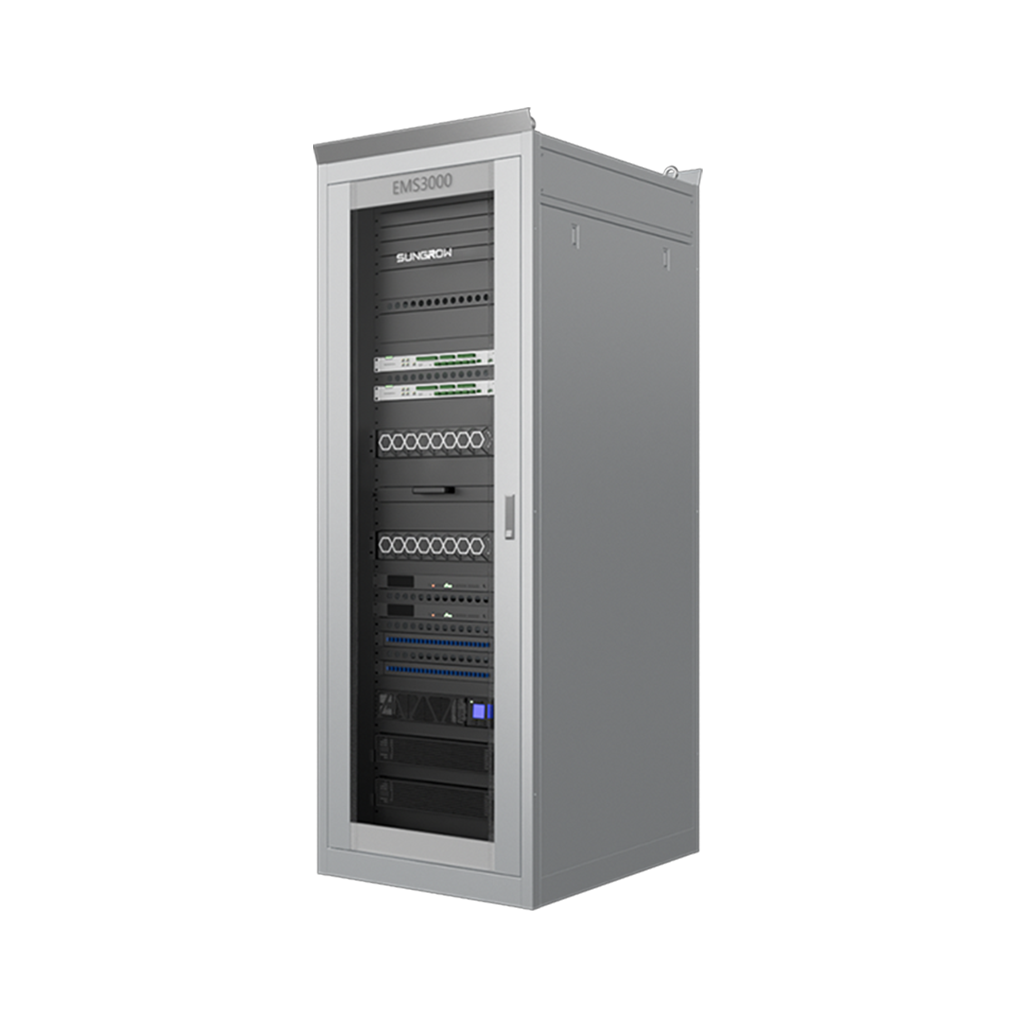
Introduction: a winter night, a lesson learned
I have over 15 years working in B2B supply chain for grid-scale projects, and my work on utility scale energy storage has taught me to favor practical resilience over theoretical redundancy. On one night in Busan (January 15, 2020) a 40 MWh utility scale battery storage system I oversaw failed to deliver 3 MW for two hours — what exactly caused that gap? (정말 unexpected.)
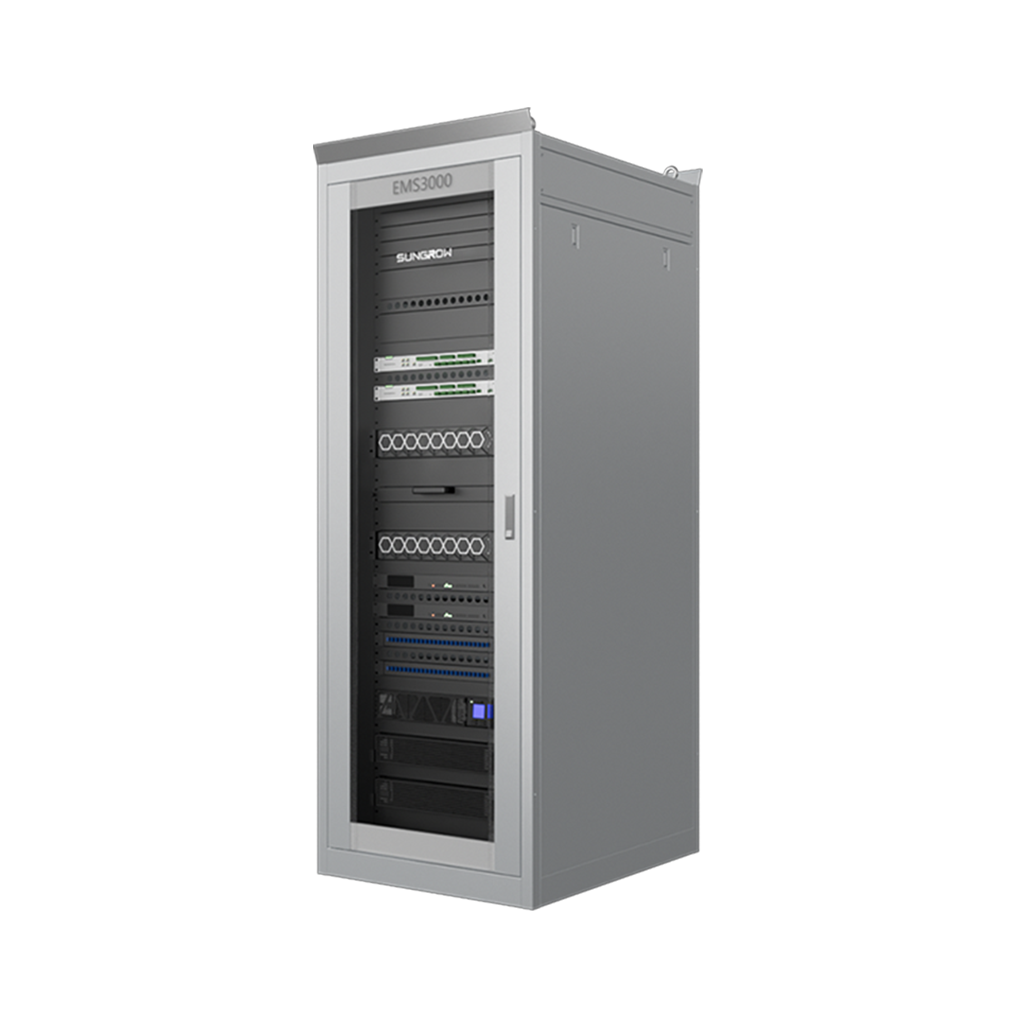
I remember the alarm tone, the inverter logs and the vendor on the phone. I had specified Li‑ion NMC modules and a central inverter architecture; yet the system tripped when a minor temperature gradient triggered an SOC imbalance. That experience showed me a deeper layer: traditional approaches assume spare capacity fixes every problem, but spare capacity does not fix control logic, communications faults, or slow battery degradation. We learned that round‑trip efficiency and proper BESS control matters as much as rated megawatts. Short pause — I want to be direct with buyers: redundancy without systemic diagnosis is costly and often ineffective.
Why do systems fail?
Failures typically hide in the seams: firmware mismatches, poor state‑of‑charge (SOC) coordination between battery strings, or vendor-assumed communications stacks that never saw Korea’s coastal humidity. I can point to a specific consequence: on that January night, delayed thermal cutoff resulted in an extended inverter restart sequence that cost us two peak-hour revenue events, roughly $18,000 in missed ancillary payments. That is concrete; not abstract. I observed similar patterns at a 60 MW project near Daegu in 2021 — repeated small alarms, ultimately a single battery management board fault cascaded into a system-wide derate.

From a buyer’s view (wholesale buyers especially), this means you must look beyond nameplate and warranty pages. I inspect firmware revision histories, ask for on-site factory acceptance test logs, and verify heat-mapping during commissioning. If you only budget for extra MWs, you will still face hidden pain points: unclear maintenance paths, mismatch in vendor SLAs, and poor visibility into cell‑level health.
Now let us move into how procurement and design should evolve.
Forward-looking design and procurement — technical priorities
Switching gears, I take a technical lens. We must design for observability and graceful degradation. That means specifying modular BESS racks with independent inverter pairs, redundant communications, and cell‑level telemetry so that a single BMS fault does not force a whole string offline. When I led procurement for a coastal 80 MWh park in 2022, I required live telemetry sampling at one-minute intervals and a fallback control path; the result: an event in November that would have caused a two-hour outage instead produced only a 12-minute controlled derate — clear savings.
What’s Next?
Looking ahead, buyers should compare system-level behaviors, not only component specs. Ask for recorded test runs under asymmetric failures, insist on documented procedures for firmware rollbacks, and require evidence of thermal cycling tests under local climate conditions. I favor hybrid architectures (DC coupling where appropriate) and designs that let you trade a small loss in round‑trip efficiency for large gains in operability. I will be frank — most vendors will promise ideal numbers; you must test them, witness commissioning, and verify the maintenance cadence.
Closing: actionable evaluation metrics
I summarize three evaluation metrics I use when advising wholesale buyers: 1) Recoverability time — how long to return to rated output after a single‑point failure (measure in minutes); 2) Observability granularity — cell, string, and system telemetry frequency and retention; 3) Proven field derate behavior — documented cases where the system degraded gracefully with quantified revenue impact. Use those metrics to compare offers side‑by‑side. I paused — then I always walk a site, check thermal images, and review the last 12 months of alarms. Do that, and you reduce surprises.
For practical procurement help, connect the technical checklist to commercial terms: demand clear SLAs, on‑site spare parts lists, and a joint commissioning plan. I believe this approach saves capital and operational headaches. For trusted solutions and further reading, consider suppliers who publish transparent test data and field cases — for example, sungrow. Thank you — I hope this helps you buy smarter.