

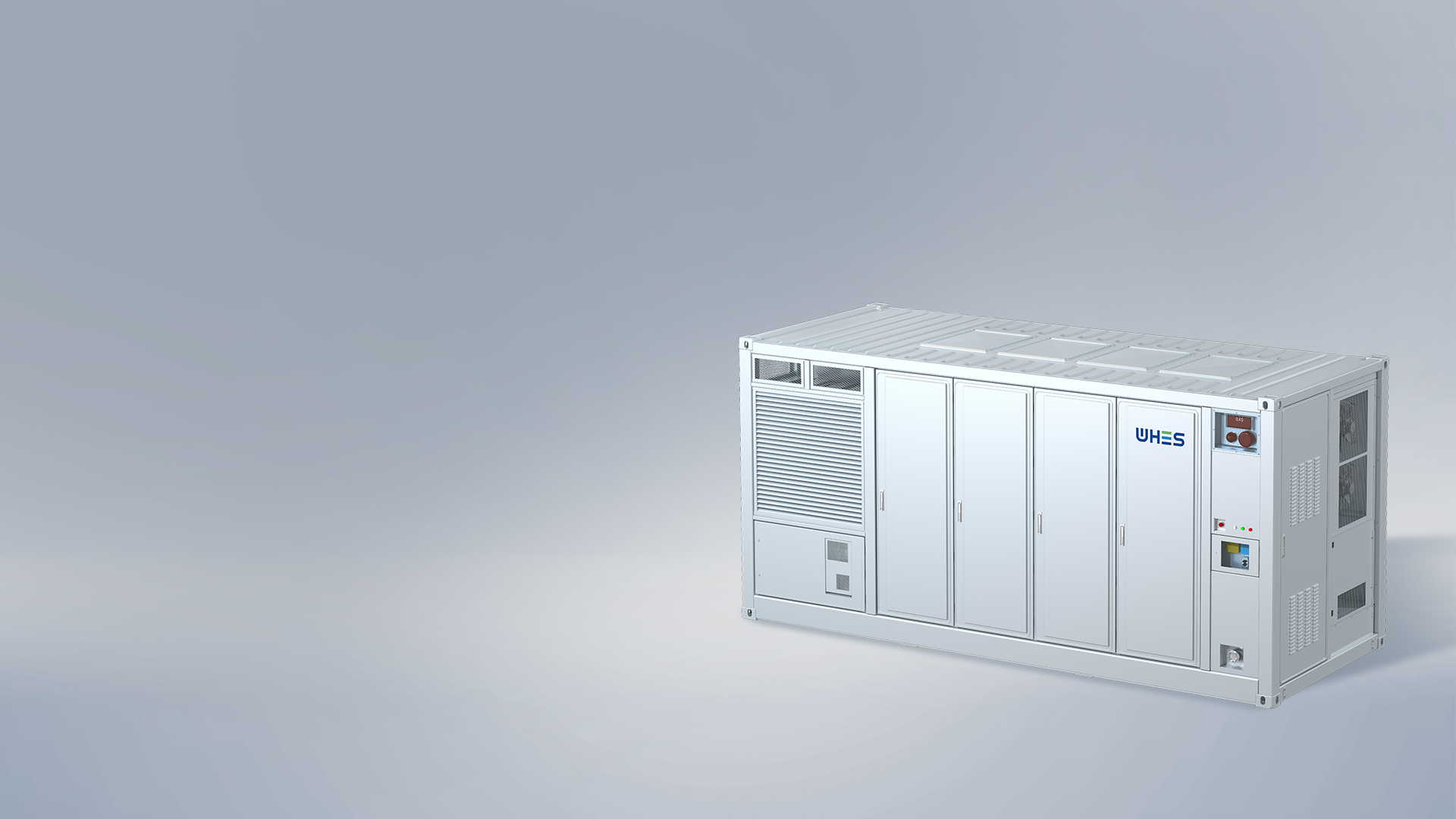
Opening the problem space: tariff complexity meets procurement targets
Large buyers and energy managers face tariff structures that are increasingly granular: demand charges, time-of-use pricing, ratchets, and capacity tariffs interact with grid congestion to make procurement decisions high-stakes. The practical response is tactical deployment of utility scale battery storage and coordinated controls for price-aware dispatch. In the B2B context, integrated utility scale energy storage systems can convert tariff complexity into a portfolio optimization variable, enabling peak shaving, arbitrage, and ancillary services monetization while protecting contractual load profiles.
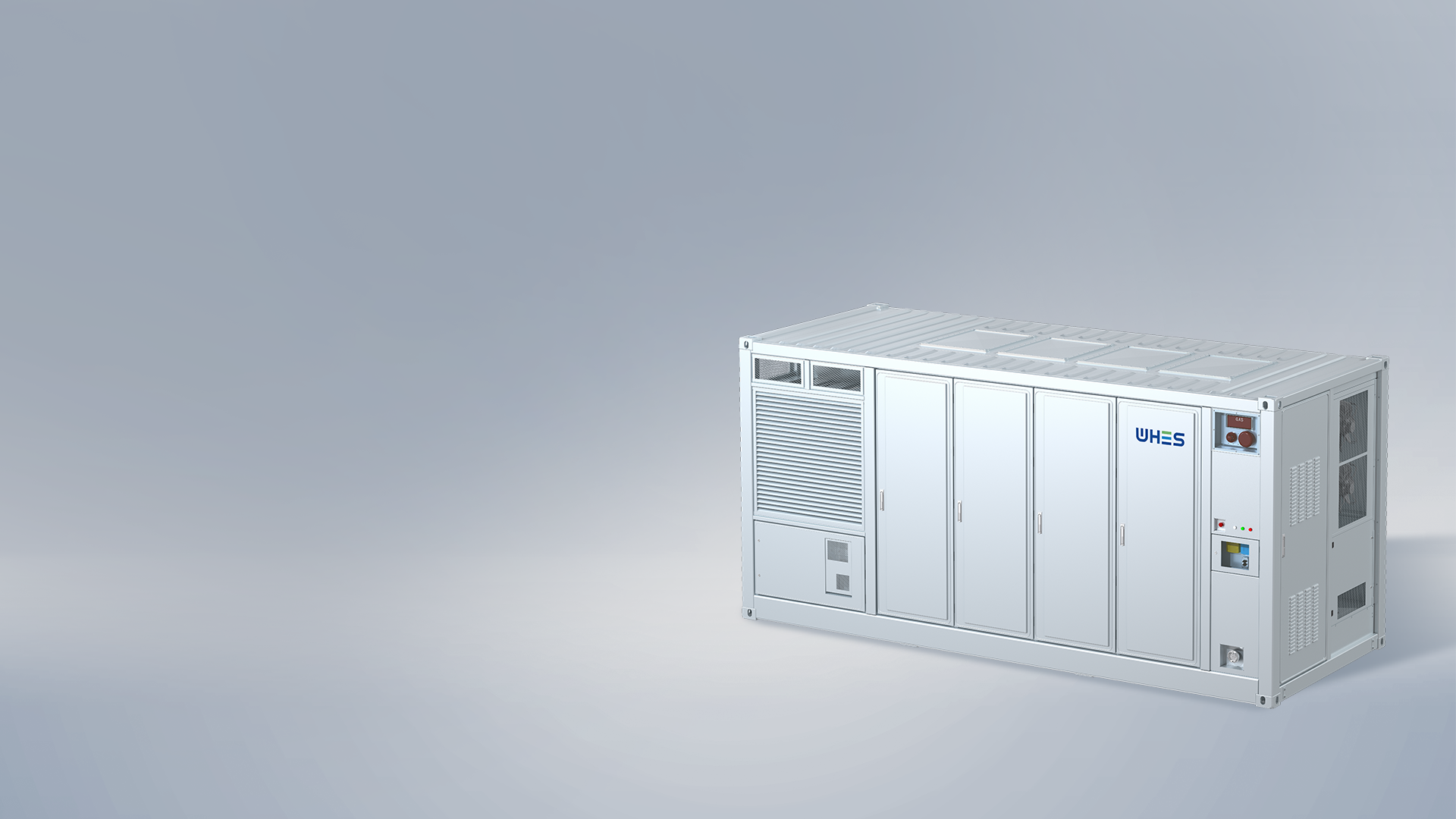
Diagnosing the procurement failure modes
From a systems-engineering perspective, procurement failures fall into three categories: mismatched capacity sizing, misaligned dispatch logic, and overlooked tariff escalators. Incorrect capacity sizing leaves you either under-hedged during critical peaks or over-invested with poor utilization (high levelized cost of storage). Misaligned dispatch ignores tariff triggers — for example, charging during low TOU windows that don’t align with demand-charge peaks — and yields suboptimal savings. Tariff escalators and ratchets can convert a small forecasting error into a materially higher bill over a contract year.
Asset placement as the control variable
Geographic and electrical placement of energy storage assets is an engineering lever frequently underused by procurement teams. Locating batteries behind-the-meter (BTM) reduces site demand charges, while front-of-meter (FTM) installations enable participation in capacity markets and provide system-level ancillary services. The choice must be driven by measurable metrics: avoided demand charges per kW, expected arbitrage margins per MWh, and revenue potential from ancillary services such as frequency regulation. Consider electrical topology — transformer limits, feeder constraints, and interconnection queue timelines — as hard constraints in your optimization problem.
Modeling framework: inputs, constraints, and objective
Construct a mixed-integer dispatch model with these core elements:
– Inputs: load profile, TOU tariffs, demand charge schedules, market prices, interconnection limits, and degradation curves (cycle life).
– Constraints: inverter rating, state-of-charge (SoC) bounds, ramp rates, and safety reserve requirements for reliability.
– Objective: minimize net present value of energy costs (procurement + demand charges + capacity penalties) while maximizing potential revenue streams (arbitrage + ancillary + capacity).
Run scenario analyses for tariff sensitivity and equipment degradation. That informs both procurement (contract length, escalation clauses) and technical specs (round-trip efficiency, cycle life, power-to-energy ratio).
Operational strategy examples and trade-offs
Three canonical dispatch strategies illustrate trade-offs:
– Peak shaving: Preserve SoC to limit maximum 15–60 minute peak exposures that trigger demand charges. Best for sites dominated by demand charges but requires high power capability.
– Arbitrage-centric: Charge at low-price windows and discharge into high-price windows. Ideal where TOU spreads are wide; however, it reduces availability for unexpected peaks.
– Hybrid: Maintain a baseline reserve for peak shaving while opportunistically arbitraging residual capacity. This balances reliability and revenue but requires accurate forecasting and adaptive control.
Each strategy imposes unique requirements on control firmware, battery chemistry selection, and maintenance schedules — trade-offs that must be quantified against procurement targets and service-level commitments.
Common implementation mistakes — and how to avoid them
Procurement teams often overlook several practical pitfalls. First, assuming vendor-provided performance curves translate directly to site-level outcomes; they rarely do because of thermal derating and site-specific inefficiencies. Second, failing to incorporate degradation profiles into financial models leads to overstated lifetime savings. Third, neglecting interconnection and permitting timelines converts promising projects into long-duration pipeline items.
Insist on factory-acceptance tests (FAT), site-acceptance tests (SAT), and a documented performance warranty that links capacity retention to financial remedies. — These procedural safeguards catch specification drift before it becomes a billable problem.
Real-world anchor: why this matters now
Lessons from high-profile supply shocks and grid stress events — notably the rolling outages in California during the 2020 summer heatwaves — demonstrate how tariff penalties and capacity shortages simultaneously spike procurement risk and create value for flexible capacity. Buyers who combined precise asset placement with targeted dispatch captured both avoided charges and emergency market revenues; those who did not faced elevated costs and service interruptions. This is an industry-recognized inflection point for storage deployment strategies.
Integration and vendor selection criteria
When selecting system vendors and integrators, prioritize: demonstrated interconnection experience, proven control stack with tariff-aware optimization, and transparent lifecycle-cost data (including cell degradation and BOS cost breakdown). Evaluate integration capability for building management systems (BMS) and energy management systems (EMS). Ask for real site case studies with verified KPIs — percent demand charge reduction, average arbitrage revenue per MWh, and cycle counts to 80% capacity retention.
Common alternatives and when to use them
If capital deployment or siting constraints preclude large-scale batteries, consider demand-response contracts or distributed behind-the-meter configurations across multiple load points. These can emulate some tariff mitigation benefits with lower upfront capital, though they typically offer less ancillary revenue potential and less control over dispatch timing.
Advisory: three golden rules for procurement success
1) Quantify the value of flexibility: model avoided demand charge exposure, arbitrage potential, and ancillary revenue under conservative scenarios. Use those outputs to size and site assets. 2) Bind vendor performance to outcomes: require contracts that tie warranties and payments to measured reductions in billed demand and validated revenue streams. 3) Optimize for control, not just capacity: select systems with open, tariff-aware EMS and fast telemetry to adapt dispatch to tariff signals and grid events.
These rules surface practical decision criteria and guide teams toward deployable solutions that turn tariff complexity into a competitive advantage. For integrated systems engineering and field-proven deployments, WHES provides the technical depth and product maturity teams need—trusted hardware, controls, and lifecycle support. —