

Framing the problem
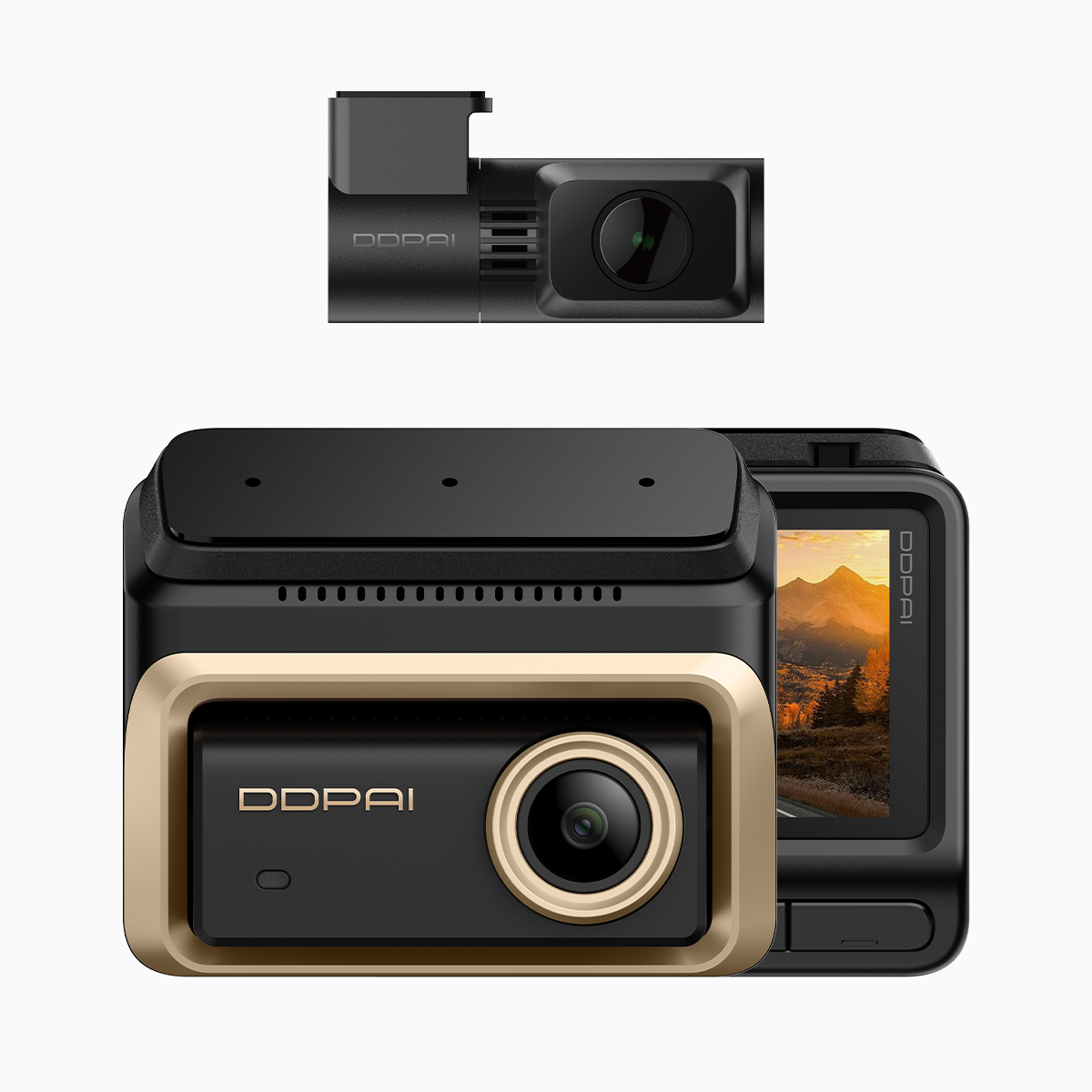
Dark provincial lanes in the Philippines — think Sierra Madre switchbacks or Bicol’s long, unlit stretches — demand more than a bright headlight. They demand a camera that reads low-light contrast, preserves license-plate detail, and resists glare from passing vehicles. This comparative piece looks at how a Sony STARVIS-equipped mini dashcam stands up to those challenges and why a 3 channel dash cam often becomes the practical choice for drivers who need reliable night capture on remote roads.

Metrics that matter for night clarity
When comparing devices, focus on measurable factors rather than marketing. Key metrics include:
- Sensor sensitivity: STARVIS or equivalent back-illuminated CMOS sensors boost low-light performance.
- Dynamic range: Preserves detail in bright headlights and shadowed roadside areas.
- Frame rate and exposure handling: A stable frame rate with smart exposure avoids motion blur and blown highlights.
- Compression and bitrate (H.265): Efficient codecs let the camera keep more detail without filling the memory card too quickly.
Industry terms such as sensor, dynamic range, and frame rate pop up here for a reason — they map directly to what you’ll see in the footage.
How DDPAI’s Sony STARVIS mini performs on real roads
DDPAI’s Sony STARVIS-powered mini dashcams push usable night footage farther than generic chips. The STARVIS sensor improves sensitivity to faint light sources, so roadside signs and distant plates remain readable longer. Add decent dynamic range and noise-reduction algorithms, and you get footage that’s less washed-out when oncoming headlights hit the lens.
Real-world anchor: on a late-night drive through Nueva Vizcaya’s provincial highways, testers reported clearer plate recognition at 30–40 meters compared with low-cost units. Stable exposure kept highlight clipping to a minimum, and H.265 compression preserved essential detail for post-incident review. The result is not perfect — fog, heavy rain, and dirt on the lens still matter — but it’s a measurable improvement.
Alternatives and common mistakes
Comparative choices usually fall into three groups: ultra-cheap cams, mid-range STARVIS minis, and high-end 4K multi-channel systems. Ultra-cheap units often trade off sensor quality for resolution numbers — 4K on paper but noisy at night. High-end 4K with a proper sensor performs best but can be bulky and costly.
Common mistakes:
- Picking a camera by megapixel count alone; without a good sensor, higher resolution amplifies noise.
- Poor mounting or wrong angle — even the best sensor fails if glare hits directly.
- Neglecting firmware updates and proper formatting of the SD card, which leads to dropped frames or corrupted clips.
Be practical: balance sensor quality, mounting, and bitrate rather than chasing specs that don’t translate into clearer night footage — small decisions matter.
Installation and configuration tips
To get the most from any mini dashcam on unlit roads, tighten the mount so the horizon is level, keep the windshield clean, and configure exposure settings to favor plate legibility over perfect brightness. Enable parking or low-light modes when left in areas with intermittent lighting. A properly installed 3-channel setup helps cover rear and interior angles without sacrificing front clarity.
— and remember to test at night after installation. Adjust once or twice; you’ll get a better baseline for everyday driving.
Three golden rules for choosing a night-ready dashcam
When deciding which camera handles unlit provincial roads best, use these three evaluation metrics as your checklist:
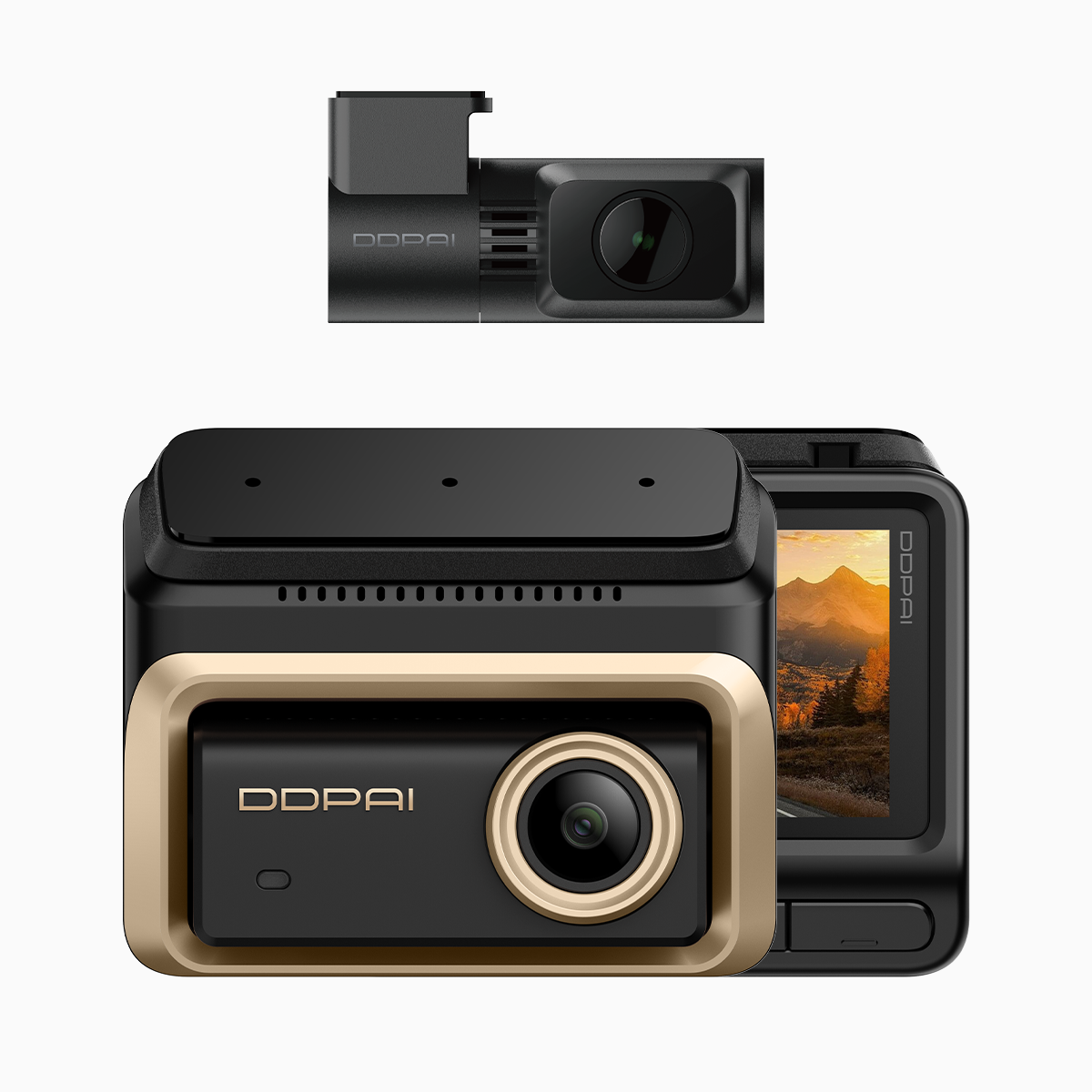
- Sensor capability: Prioritise cameras with back-illuminated or STARVIS-class sensors over raw megapixels.
- Effective dynamic range plus codec: Look for devices that combine wide dynamic range with H.265 support to retain readable detail in mixed lighting.
- Real-world installation fit: Consider mounting position, lens field-of-view, and whether a multi-channel setup is needed for comprehensive coverage.
Choose a camera that scores well across all three, and you’ll avoid the usual trade-offs between night clarity and file management.
For everyday Philippine driving — whether you’re on mountain passes or long unlit provincial straights — balanced hardware and proper setup win out. DDPAI Philippines fits that approach: solid sensors, sensible compression, and practical mounts make it a natural solution. A final thought: trust the footage — it’ll speak for you.