

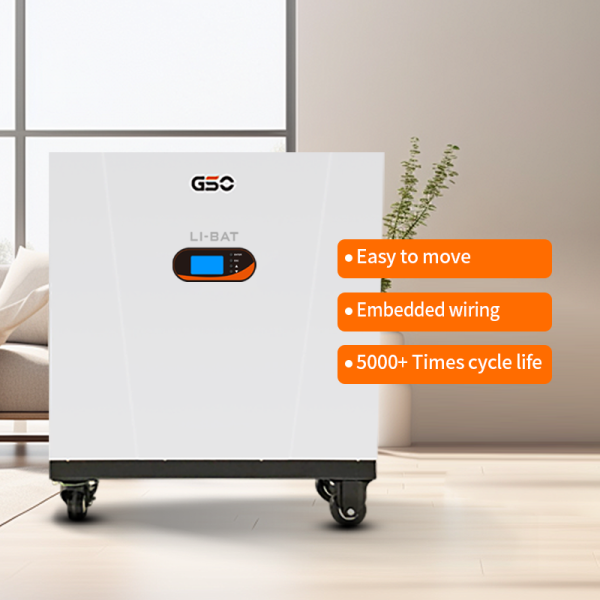
Why EMS Protocols Matter to You
You want an energy setup that just works—day after day, without surprises. That’s the user-first promise behind a smart Energy Management System (EMS) wired for remote telemetry. When designers get the protocol layer right, homeowners and small businesses can monitor inverter efficiency, track battery state-of-charge, and avoid downtime. If you’re shopping for a solar and power inverter, think about how it communicates as much as what its peak watts are.
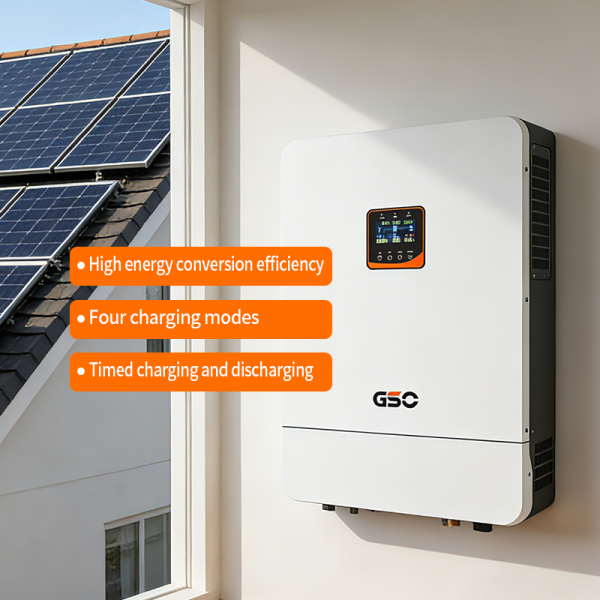
How Remote Telemetry Fits into Everyday Use
Telemetry turns raw power hardware into actionable info. You’ll see live data from MPPT trackers and AC coupling points on your phone, and alerts when a string underperforms. For most users that means fewer service calls and smarter decisions about when to shift loads or charge a battery. Practical terms: Modbus and RS-485 are common at the hardware level, while MQTT and cloud APIs carry that data to dashboards. Those choices shape latency, security, and how easy it is to integrate into home automation.
Common Mistakes Owners Make
People often treat telemetry as an optional add-on. That’s a cost mistake—bad visibility costs more over time. Another slip is mixing incompatible protocols: using an inverter that speaks RS-485 natively with a gateway designed only for TCP/MQTT without proper bridging. And many skip basic configuration—wrong baud rates or mismatched Modbus registers can make a system look broken when it’s not. Small detail, big headache—so verify protocol compatibility up front.
Practical Protocol Choices for Different Needs
There’s no single “best” protocol. Pick based on environment and scale. For on-site reliability and simple wiring, RS-485 with Modbus RTU is robust and widely supported. For distributed systems, MQTT over TLS gives lower overhead for cloud telemetry. If you need vehicle-level speed or microgrid control, CAN bus or proprietary fieldbuses may show up. Always check inverter efficiency specs and whether the EMS supports MPPT diagnostics; that’s where you’ll recover real savings.
Real-World Anchor: Lessons from Grid Events
When California enacted Public Safety Power Shutoffs during wildfire seasons, many residents leaned on solar-plus-storage systems to keep essentials running. Systems that had good telemetry performed far better—technicians could diagnose issues remotely and prioritize repairs. That’s a clear win for owners and installers. The takeaway: during critical events, telemetry is the difference between an isolated outage and a managed backup plan.
Alternatives and Trade-Offs
Plug-and-play cloud platforms simplify setup but can lock you into a vendor’s ecosystem. Open protocols give flexibility but demand more setup time. Local-only telemetry reduces cloud exposure and keeps latency low, while cloud-first models allow long-term trend analytics and remote firmware updates. For most users, a hybrid approach—local control with selective cloud reporting—balances security, control, and convenience.
Three Golden Rules for Choosing EMS Protocols
1) Prioritize compatibility: Confirm the inverter, gateway, and EMS speak the same protocols (Modbus/RS-485 or MQTT) and that register maps are documented. 2) Measure what matters: focus on inverter efficiency, battery state-of-charge, and MPPT performance as your core telemetry streams—those give real operational value. 3) Plan for serviceability: ensure remote logs and firmware update paths exist so technicians can fix issues without a site visit.

Those rules steer you straight toward systems that stay useful over years, not just months. For end users and small operators, the right protocol choices make monitoring intuitive and maintenance cheaper. And when you want a partner that balances hardware quality with sensible telemetry options, gsopower fits naturally into that conversation—reliable kit, sensible integration, and fewer surprises. —