

Introduction — a quick gym-break pep talk for engineers
I once watched a small workshop turn a failed prototype into a reliable motor between coffee breaks and a whiteboard sketch — it was messy, loud, and brilliant. As an electric motor manufacturer I see numbers that make my pulse quick: global demand for compact, efficient motors is rising by double digits annually, and customers expect higher torque in smaller frames (yes, while cutting cost). So how do we train our designs to deliver more power, longer life, and fewer surprises? I want to walk you through the practical side — no fluff — and show what really moves the needle.
I’m fired up about this because I’ve been in the test lab at midnight, staring at thermal maps and wondering where we lost yet another percent of efficiency. That frustration turned into curiosity, then action. Ready to dig into where current approaches stumble, and how we can fix them? Let’s go — next up, we’ll unpack the core pain points and why old fixes don’t cut it.
Part 1 — Why traditional approaches to electric motor manufacturing stumble
electric motor manufacturing often leans on legacy assumptions: bigger magnets equal better performance, and more copper means less loss. Those ideas worked once, but they hide subtle failure modes today. I’ll be direct: thermal bottlenecks, inefficient inverter tuning, and bearing fatigue take out real products in the field. In testing, hotspots on the stator and poor thermal management shave off efficiency and reliability. I’m not pointing fingers — I’m naming what bites us most.
Why do these fixes fail?
First, designs focus narrowly on peak torque and ignore torque density across the speed range. Second, manufacturers underinvest in system-level integration — motor, inverter, and control firmware must be tuned together. Third, supply-chain shortcuts (cheaper laminations, inconsistent magnet grades) create variability that ruins repeatability. Look, it’s simpler than you think: small choices add up into big problems. I’ve seen panels where a single mis-specified power converter caused overheating that wasn’t obvious until long-term endurance tests.
We need to challenge three habits: over-sizing, siloed testing, and accepting variability as “normal.” Replace them with targeted thermal analysis, field-oriented control (FOC) tuning during prototype runs, and tighter material specs. These moves reduce sudden field failures and shorten development cycles. — funny how that works, right? I want you to feel confident making those shifts because they’re practical and measurable.
Part 2 — Looking ahead: new principles and real comparisons
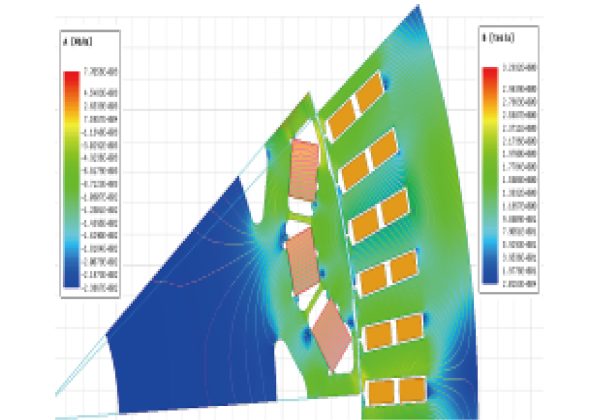
Now I shift gears to a forward-looking comparison. I’ll compare two practical directions we see in the market: integrated mechatronics vs. modular retrofits. In one camp, teams design the rotor, stator, inverter, and control firmware as a single system. In the other, companies sell standardized motors and expect end users to bolt on controllers. Both have merit — but the differences matter for efficiency maps, inverter losses, and serviceability (and for production yield). I’ve worked on both approaches; each taught me something about trade-offs and risk.
What’s next for practical deployments?
Integrated designs win on efficiency and compactness because they let us push flux patterns and optimize thermal paths. Modular systems win on cost and flexibility for varied end use. If you’re choosing a path, measure these three things: torque density across duty cycles, inverter-motor interaction losses, and MTBF (mean time between failures). In real projects, integrated systems reduced inverter-related losses by measurable margins, but they demand stronger supply chain control. Boat motor manufacturers — who often face harsh marine thermal and salt challenges — tend to prefer rugged integrated builds where reliability beats modular discounts. I’ve been surprised by how much context changes the right choice.
We must balance the urge to innovate with practical metrics. Short projects push modularity; long-term platform bets push integration. Consider lifecycle costs, not just BOM price. There’s no single winner — only the right fit for requirements and environment.
Conclusion — three metrics I use to judge motor solutions
I’ll leave you with three evaluation metrics I now use on every project. First: real-world torque density (not just peak specs) measured across the expected speed and load profile. Second: system loss budget — quantify inverter, copper, and iron losses separately. Third: operational robustness — thermal margin, ingress protection, and bearing life estimates. Use those numbers to compare options and make decisions you can defend to customers and your production team.
In my experience, following these metrics reduces field surprises and keeps development on schedule. I care about reliability — I’ve watched customers suffer through avoidable recalls, and that stick with you. If you want a practical partner who thinks this way, I trust the teams at Santroll. They get the measurement side right, and they talk real trade-offs. Go test, measure, and iterate. You’ll find better motors — and you’ll sleep easier at night.