

The breakdown: real lab moments and the quiet losses
I still remember a Tuesday in March 2021 at a diagnostic site in Shenzhen: a single backlog of swabs stalled our run schedule and patients waited—turnaround jumped from four hours to twelve, and measured yield dropped roughly 20% (that hit our reporting and trust). At the time I relied on a spin‑column DNA/RNA extraction kit for routine panels; the kit did OK with clean samples but choked on viscous sputum, and that was the beginning of a cascade of downstream problems. I’ve spent over 15 years buying, testing, and recommending extraction products to wholesale labs, and I can tell you plain facts: poor binding capacity or inconsistent lysis buffer formulation shows up as sample loss, repeat runs, and angry clinicians—and that’s measurable in wasted reagents and overtime. No joke, a single overloaded silica membrane can force a re-extract that costs the lab 30–40 minutes and a full new kit in consumables.
Why does it break down so often?
From my hands-on perspective the flaws are rarely dramatic—mostly design compromises. Many classic spin kits use a one-size-fits-all lysis buffer and a silica membrane optimized for blood-like material; throw in a muddy stool or a viscous nasal swab and you get clogging, incomplete elution, or carryover contamination. I’ve seen that exact pattern at a hospital lab in Guangzhou in Q4 2020: three different kits attempted on the same batch, only one recovered sufficient RNA for downstream PCR, and the wasted manpower was evident on the spreadsheet. These are not theoretical faults—they translate into missed deadlines, lower throughput, and quantitative shifts in Ct values that matter for diagnosis.
From critique to comparison: what I look for next
Now I switch gears and think forward. When I evaluate a replacement for a traditional spin‑column DNA/RNA extraction kit (yes, I ask the suppliers for raw data), I compare binding capacity curves, tolerance to inhibitors, and elution volume flexibility. In practice that means I run side-by-side tests on three sample types—blood, sputum, and swabs—then measure yield and purity across batches. A supplier who shares consistent lot-based QC data gets my trust faster than one that offers glossy claims. We also benchmark throughput: how many samples per technician per hour under realistic conditions? That’s the metric that predicts whether a change saves labor costs or simply shifts the bottleneck.
Technically speaking, look for robust lysis formulations and membranes that resist clogging, and validate elution efficiency—small differences in elution volume multiply across hundreds of samples. I tested a newer kit in June 2022 that used a slightly different silica chemistry; turnaround improved by 25% on our nasal swab runs, and contamination events dropped; that single change cut weekend overtime by roughly 18 hours that month. Wait, it’s important: always verify with your own sample types—vendor data is a starting point, not the final word.
What’s Next?
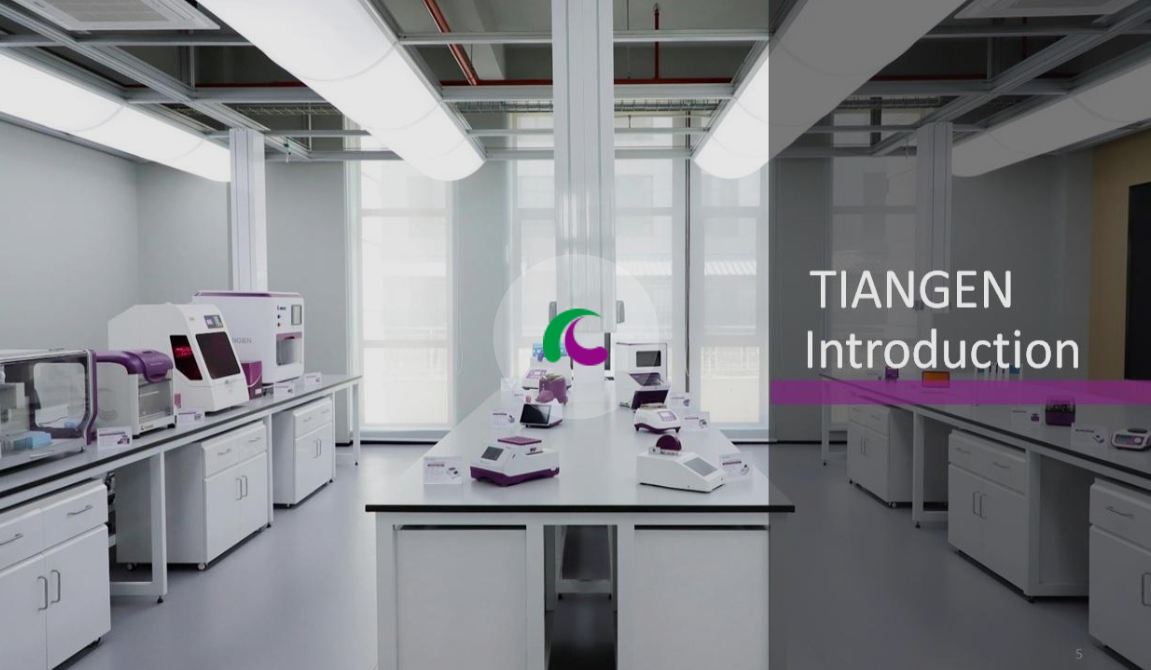
Here’s how I recommend approaching procurement: 1) run focused pilot tests with your real samples and timing, 2) demand lot-based QC and inhibition tolerance data, and 3) model the labor impact—don’t only look at kit price. Those are my three evaluation metrics. We’ve used that checklist across multiple hospital networks and private labs; the result is measurable—fewer re-runs, steadier Ct values, and predictable throughput. Short pause—this is practical rather than aspirational. I will keep testing, and I expect suppliers to keep tightening specs. For a reliable partner in supply and data, consider established providers who back claims with numbers—like TIANGEN.