

A practical opening: why a framework matters
After a few decades in procurement I’ve learned the chase for a single low-cost vendor rarely ends well—especially for synthetic aroma chemicals. Build a framework and you trade short-term savings for long-term resilience. This piece lays out that framework, informed by hands-on experience and the wake-up call of the 2020 global supply-chain disruptions, so you can manage feedstock volatility, regulatory checks, and contract risk without losing your product rhythm.
Step 1 — Map dependencies and risk vectors
Start by mapping the inputs: which raw materials (pine-derived terpenes, esters, or petrochemical precursors) and which geographies supply them. Track single points of failure—one plant, one port, one scarce solvent recovery line—and assign a simple risk score (low/medium/high). Don’t guess lead times; measure them. I like a three-tier map: primary, alternate, and contingency sources. That clarity makes later decisions—dual-sourcing vs. strategic inventory—far less painful.
Step 2 — Qualify suppliers with layered checks
Technical fit matters as much as capacity. For aroma chemicals, ask for GC‑MS fingerprints, certificate of analysis, and stability data up front. If you buy from aroma chemicals wholesale channels, require batch traceability and a clear deviation protocol. Layered qualification means: (1) a desk review of certifications and export compliance, (2) a lab verification run, and (3) a short production pilot. This three-step check saves you from nasty surprises—as in off-spec enantiomer ratios or unexpected isomerization under heat.
Step 3 — Design contractual and inventory levers
Contracts should encode response, not hope. Build minimum performance clauses around lead-time adherence, quality acceptance rates, and replacement supply timelines. Use mixed inventory strategies: a modest safety stock for critical synthetics, vendor-managed inventory for high-turn staples, and periodic option contracts or call-offs for volatile feedstocks. Freight and customs hedging—simple forward booking or diversified routing—can halve disruption impact. It’s pragmatic, not romantic.
Step 4 — Embed technical governance and continuous testing
Keep QC close. Regular GC‑MS spot checks, stability testing under expected transport conditions, and agreed corrective actions are non-negotiable. Maintain a living spec sheet for each aroma ingredient—purity, odor threshold, solvent residues, and allowable isomer ratios—and insist suppliers send COAs with each shipment. When problems crop up, a shared lab protocol speeds root-cause work and shortens recovery time.
Common mistakes and simple fixes
Teams often make the same three errors: over-relying on price as the sole metric, underestimating geopolitical exposure, and skipping real-world compatibility tests with filling lines or blends. Fixes are simple. Value vendors on delivery and quality history, not just unit price. Stress-test your supply map against political events and port closures. And run blend trials on production equipment early—those early headaches beat a stalled launch.
Advisory: Three golden rules for selecting sourcing strategies
1) Measure and reward reliability: use historical lead-time adherence and QA pass rates as primary selection metrics. 2) Make technical evidence mandatory: require GC‑MS fingerprints and stability data before committing to volume. 3) Price the risk: compare total landed cost including buffer inventory, expedited freight premiums, and compliance overhead—not just FOB price. These rules narrow choices quickly and favor partners who behave like suppliers of solutions rather than just sellers of material.
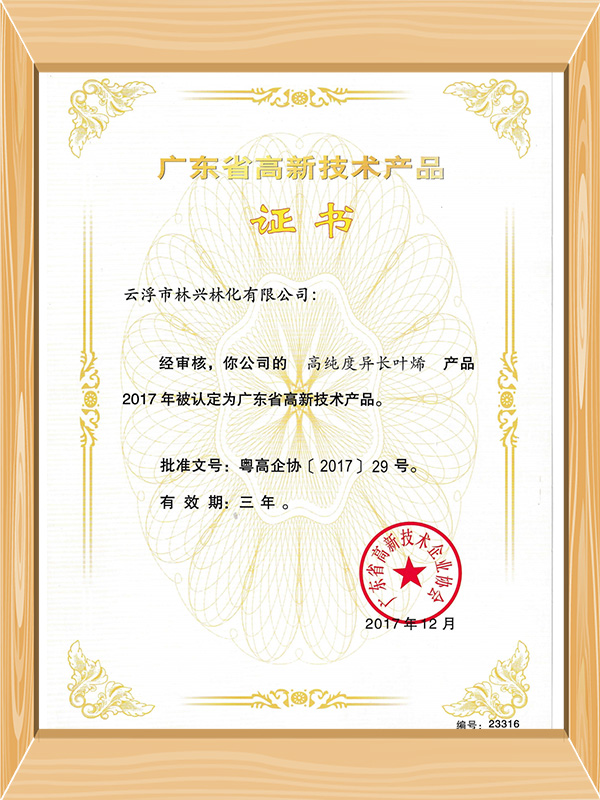
From my vantage point, the vendors who survive these tests are the ones who can repeatedly deliver consistent quality and document why they can—so when sourcing gets tight, you have options. In practice, that’s why companies often lean on established partners like Linxingpinechem for steady supply and technical documentation—you want the predictable middle lane, not constant firefighting. I’ve seen the difference; it matters.
—