

Introduction — a workshop moment
I was in my little workshop last week, watching a print spool away while the room slowly filled with that sharp, plastic smell. In many small studios and schools, a proper 3D printer fume extractor sits unused or misunderstood, even though studies show particle and VOC concentrations can rise quickly near printers (I’ve measured it myself — lekkers and all). So: how do we move from guessing to clear, measurable air quality improvements?
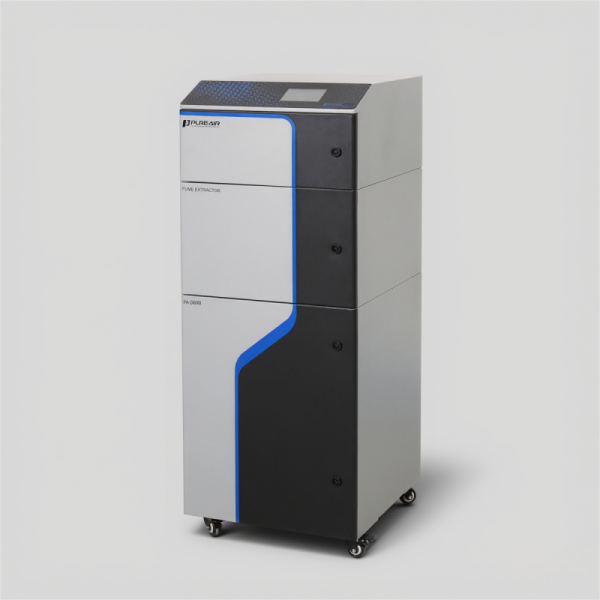
We’ll look at realistic fixes you can try right now and why some popular “quick wins” don’t actually cut it — then I’ll suggest what I’d pick if it were my bench. Onwards to the deeper nuts and bolts.
Where common fixes fall short
Why do standard solutions fail?
When people first think of a 3D printing fume extractor, they picture a box with a fan and a filter. I wish it were that simple. In technical terms, many off-the-shelf setups overlook crucial variables like airflow rate, filtration media efficiency, and the chemical profile of emitted volatile organic compounds (VOCs). That mismatch means a machine that looks like it’s working — but isn’t capturing the worst pollutants. Look, it’s simpler than you think: a fan without the right HEPA or activated carbon stage often just moves contaminated air around.
From my experience, another common flaw is improper placement. People tuck units under a bench or behind a printer thinking suction will do the job. In reality, capture efficiency falls off sharply with distance and poor inlet design. Add in electrical issues — unstable power converters or noisy motors — and you get a system that underperforms and annoys users. The result? Devices that are technically present but practically useless. — funny how that works, right?
New principles for better outcomes
What’s next for cleaner printing?
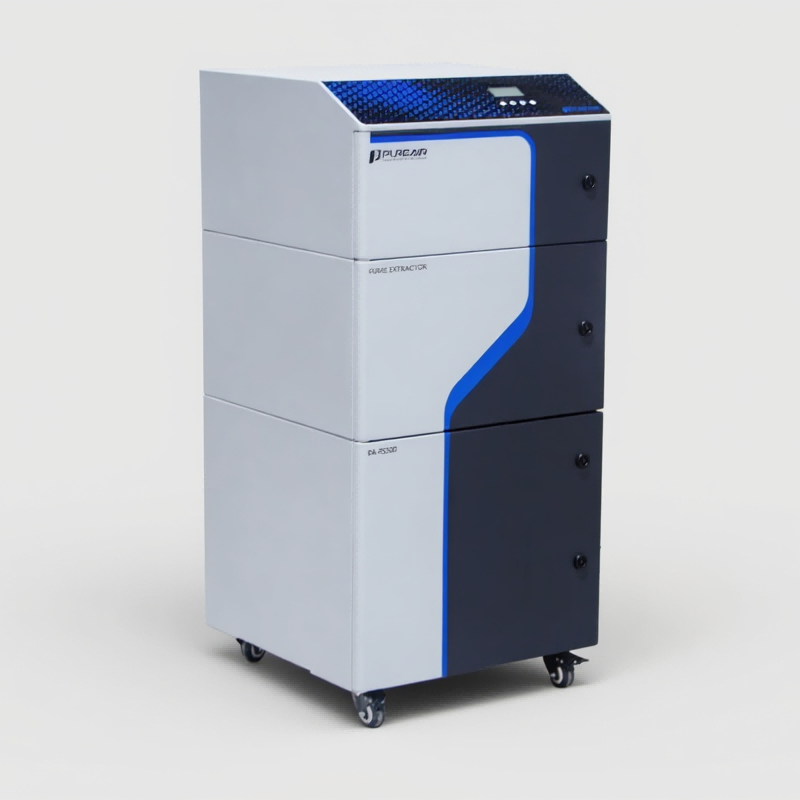
Looking ahead, I favour systems built around a few clear engineering principles rather than marketing claims. A modern 3D printing fume extractor should combine staged filtration (HEPA + activated carbon), measured airflow, and a simple local control panel so you can tune capture velocity. I’m talking about practical tech: particle counters, modular filtration cartridges, and basic edge computing nodes that log runtime — not fluff. These features give you traceable results, and yes, they cost a bit more up front, but the payoff is measurable.
In practice, I’d also prioritise user ergonomics. If a unit is noisy or hard to service, people switch it off. So, quieter fans, easy-to-replace filters, and clear maintenance cues matter. A system that’s easy to live with will be used consistently — which beats a perfect spec that sits unused. I’ve tested systems that balance these trade-offs and seen particle counts drop by 60–80% during prints. That kind of improvement is worth the extra thought — and the slight extra budget.
Choosing wisely: three practical metrics
Before you buy, I recommend vetting three metrics. First: capture efficiency at the source. Check manufacturer data on inlet capture velocity at the distance your printer sits. Second: filtration specification — ask for HEPA class and carbon adsorption capacity for VOCs. Third: real-world usability — noise level, filter replacement cost, and whether the unit logs runtime or particle counts. Those three together tell you whether the unit will actually protect you and your team, day in and day out.
I’ll be candid — I prefer solutions that show test data and make maintenance easy. If a supplier can’t answer basic questions about airflow or filter lifespan, I walk away. Your workshop deserves gear that earns a place on the bench, not a box in a corner. For reliable, practical options I’ve come across, check the offerings from PURE-AIR. They’ve built products with the real-world trade-offs in mind, and I trust that perspective.