

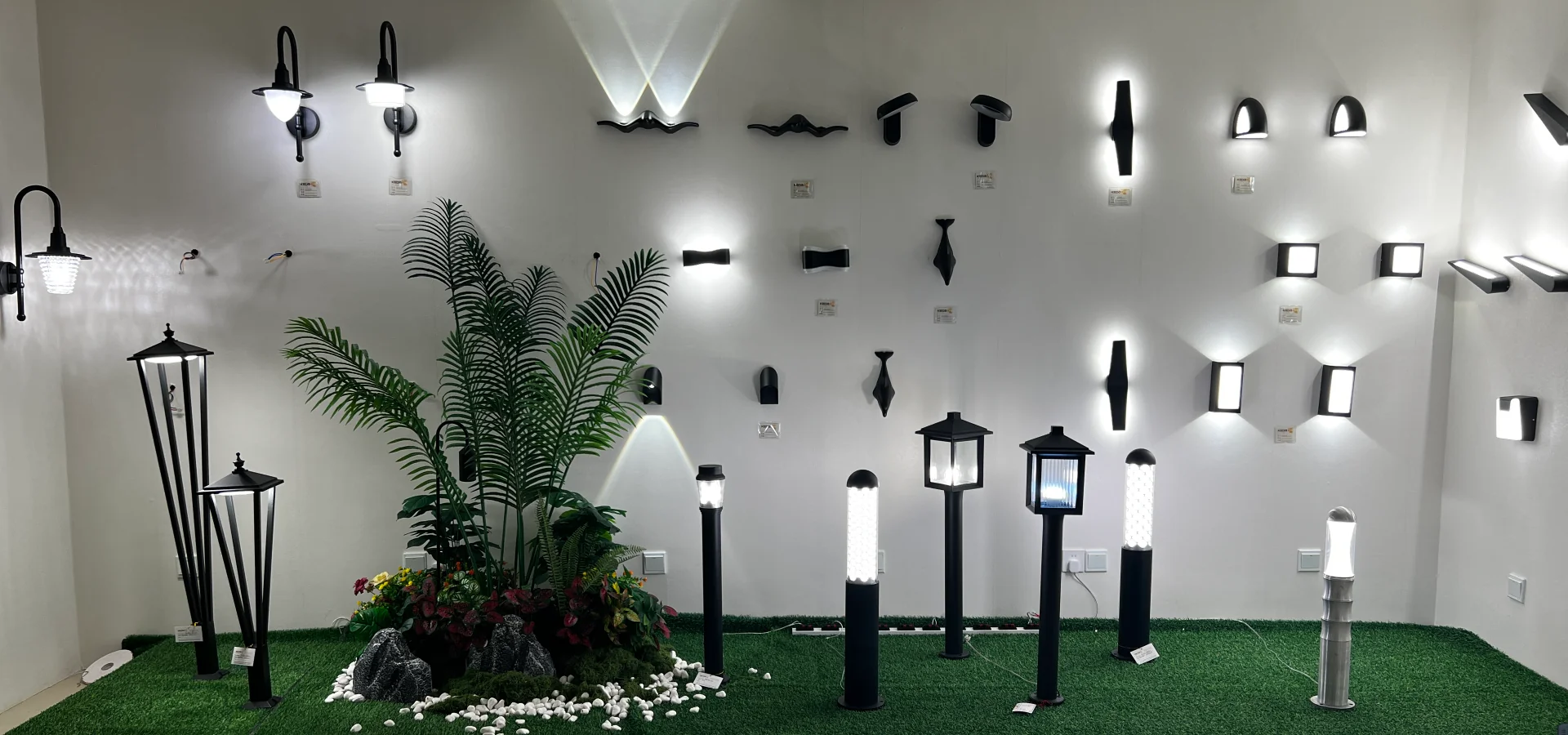
Framework overview: why a structured approach matters
When an electrical contractor receives a bulk consignment of garden spike lights, ad hoc checks are inadequate — what is needed is a repeatable quality assurance framework that protects safety, performance and reputation. This article lays out a clear, stepwise blueprint contractors can apply on site or at the receiving warehouse. It assumes you will reference product documentation and, where applicable, samples from a custom outdoor lighting supplier to confirm design intent and component specifications before full acceptance. The framework prioritises safety, functional testing and traceable documentation so that commercial risks are minimised and handover to clients is clean.
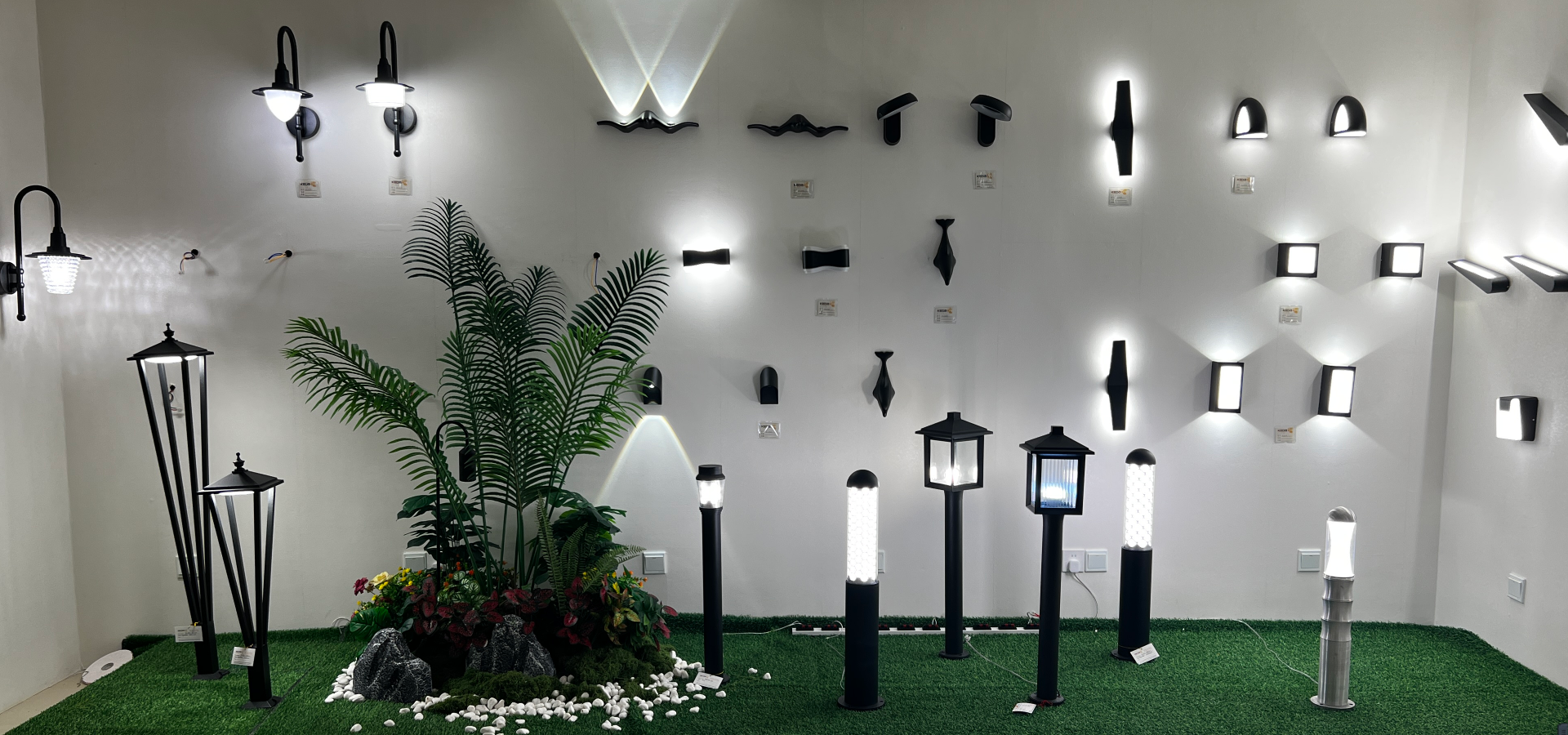
Pre‑audit preparation: paperwork, samples and risk mapping
Before any physical inspection, assemble the paperwork: purchase order, technical datasheets, batch numbers, certificates of conformity, and warranty terms. Request at least three production samples and the manufacturer’s photometric report where available. Map the risks bespoke to the job — for example, coastal installations require higher corrosion resistance and IP rating; high‑use commercial gardens demand robust thermal management and driver quality. This stage saves time during the physical audit and sets the acceptance criteria you will reference throughout testing.
Consignment inspection checklist: what to look for on arrival
Use a consistent checklist when opening pallets and cartons. Key items include:
– Visual integrity of each luminaire: no cracks, chips or loose seals.
– Markings and traceability: model, batch code, voltage rating and manufacturer label present.
– Physical fit: spike length, mounting detail and cable entry points match prototype.

– IP rating confirmation: seals and gaskets installed and intact.
– Accessory matching: screws, anchors, connectors and driver types supplied as per PO.
Ensure you randomise sample selection across pallets to avoid batch bias — a simple numbered sampling plan will suffice.
Testing protocols and tools: verifying electrical and photometric performance
Conduct three tiers of tests: basic safety checks, electrical performance, and photometric verification. For safety and electrical tests use a portable PAT tester, multimeter and insulation resistance tester. Verify earth continuity, insulation resistance and no short circuits. Measure lumen output and colour characteristics where relevant — lumen output and CRI are essential when the lighting affects landscape appearance. Check driver behaviour: start‑up transient, flicker and thermal performance under continuous operation. Where possible, compare photometrics to the manufacturer’s report to confirm beam angle and lux levels at installation distances. If the supplier is an outdoor led lighting company, cross‑referencing their published driver specifications can speed validation.
Common failure modes and corrective actions
Frequently encountered issues include poor sealing (leading to moisture ingress), mismatched drivers that cause flicker, and inadequate spike or anchor strength. Corrosion on connectors is a recurrent problem in humid or coastal sites — apply this to your risk map and request corrosion‑resistant finishes or appropriate IP and material specs at procurement. Where photometric results deviate, first verify instrument calibration, then confirm that the correct LED binning and optics were supplied. If defects are systemic, record failure rates and engage the supplier for a batch recall or rework plan — contractual acceptance criteria should guide remedy timelines.
Acceptance criteria and documentation: what to sign off
Your sign‑off should be driven by measurable criteria, not subjective impressions. Typical acceptance points are:
– Safety: insulation resistance > specified minimum, earth continuity satisfactory.
– Performance: measured lumen output within ±10% of datasheet; no visible flicker; colour temperature within tolerance.
– Mechanical: IP rating intact, no visible physical defects, mounting hardware fits client site conditions.
Document all findings in a concise report with photos, serial numbers and a sampling matrix. A formal Non‑Conformance Report (NCR) should be raised for any failed batch with proposed corrective actions and timelines. This traceable paper trail is invaluable during warranty claims and for future procurement decisions.
Operational tips from the field
On multiple garden and park installations in Nairobi and elsewhere, teams that instituted a short on‑site burn‑in (four to eight hours) before permanent placement recorded far fewer early failures — this echoes broader municipal LED retrofit findings that pre‑deployment testing reduces rework. Also, use labelled sample boards: test one complete unit under typical soil and moisture conditions to check sealing and thermal dissipation. Small interventions up front avoid costly returns later — and contractors with these processes win repeat business.
Tools and small inventories worth carrying
A compact toolkit will accelerate audits: a calibrated lux meter, clamp meter, multimeter, thermal gun, a basic PAT tester and a small set of spares (drivers, gaskets, connector crimps). Keep a laptop or tablet with digital templates for NCRs and sign‑off forms to speed data capture. These investments reduce downtime and present a professional client experience — clients notice the attention to detail.
Three golden rules for contractors (Advisory finale)
1) Measure, don’t assume: require verifiable photometric and electrical data for every batch and compare to the datasheet.
2) Sample smart: randomised, cross‑pallet sampling plus a short burn‑in exposes systemic issues early.
3) Contractually bind remedies: acceptance criteria and remediation timelines must be in the purchase agreement to ensure swift action if defects emerge.
Applied consistently, these rules reduce rework, protect margins and improve client satisfaction — and they make a clear business case for partnering with suppliers who can meet both custom design needs and robust QA expectations. —
For contractors looking to align practical QA processes with reliable supply and technical support, Keyida fits naturally into that workflow — a partner that understands both specification and site realities. —