

Why Some Cruisers Just Feel Better
You roll into evening traffic with two friends, all of you on similar machines. One cruiser motorcycle tracks straight and stays calm; the other hunts for a line and sends a buzz through your boots. Owner forums and long-term tests point to the same pattern across brands: real satisfaction comes from fit, heat control, and gearing, not just raw peak power. That’s the twist most spec sheets skip. People talk about horsepower, but daily joy lives at 2,000–4,000 rpm, in the torque curve and brake feel, in how the seat and bars set your posture. The data we can rely on is consistent rider feedback, dealer service records, and measured geometry like rake and trail—these shape confidence at slow speed as much as on the highway. So here’s the tough question: if two bikes look alike, why does one feel easy and the other feel like work? Small choices in balance, clutch feel, and heat routing add up. And once you notice them, you can’t unsee them (or unfeel them). This guide compares those details side by side—without hype, with road sense. Next, let’s pull back the curtain on the quiet pain points that split the pack.
The Hidden Pain Points Brands Rarely Spotlight
What do riders miss at first glance?
Start with what owners actually juggle after purchase. Many cruiser motorcycle brands advertise chrome and displacement, but the gaps live in ergonomics and thermal design. Look, it’s simpler than you think. A bike with the right rake and trail steers calmly at parking-lot speeds, while a mismatch forces constant micro-corrections—funny how that works, right? A smooth wet clutch with sensible spring rates keeps your left hand fresh in city stop-and-go. EFI mapping tuned for low-rpm manners prevents that lurchy first-meter surge. And heat? Cylinder head airflow and shield placement decide if your knees cook in summer traffic. These aren’t add-ons; they are the ride.
Even basic service tells a story. Can you access the air filter without tearing half the bike apart? Are the brake lines routed to protect the ABS module from heat soak? A broad, flat torque curve beats a peaky dyno chart you’ll never use on Main Street. Gear ratios that let you roll at 60 mph under 3,000 rpm reduce buzz and fuel burn. Vibration control via counterbalancers matters more over an hour than any brochure flourish. And don’t skip the little tests: slow U-turns, clutch feathering, hot restarts, and night rides to spot glare on the gauges. Those reveal more about daily life than a five-minute blast. Brands that solve these details quietly win loyalty. Riders notice—maybe not on day one, but by month three they do.
Forward-Looking Choices: Tech That Actually Improves the Ride
What’s Next
Tomorrow’s best cruisers blend heritage with smart electronics. Not flash—function. Think ride-by-wire that keeps throttle openings steady over bumps, and slip-assist clutches that trim lever effort while adding engine braking control. Add an IMU to make ABS lean-aware, so panic stops in a curve stay drama-free. The wiring backbone matters too: a tidy CAN bus cuts weight and eases diagnostics, which means quicker fixes and fewer gremlins. When you compare two similar midsize twins, one with old-school fueling and the other with refined EFI mapping and better sensors, the difference is stark. The modern bike idles cooler in traffic, meters fuel cleanly at 2,500 rpm, and saves pads by smoothing decel—small perks that add up over thousands of miles.
There’s a practical upside for cruising motorcycles as well: software updates can refine fueling, dash logic, even quickshifter timing over the bike’s life. That extends value without a wrench. Materials are moving forward too—better heat shielding, tuned engine mounts, and improved damping in the rear shocks. Compare test data and you’ll see it: shorter braking distances, lower hand effort, steadier lane tracking on grooved pavement. Summing up without repeating ourselves, it comes down to three checks you can take to any showroom—because choices today echo for years.
– Low-rpm delivery: Ask for the torque curve and ride it. Does it pull clean from 2,000–3,500 rpm, and do the gear ratios keep revs calm at cruise?

– Comfort under load: Test for heat at the knees, clutch effort in stop-and-go, and bar reach that doesn’t pinch your shoulders.
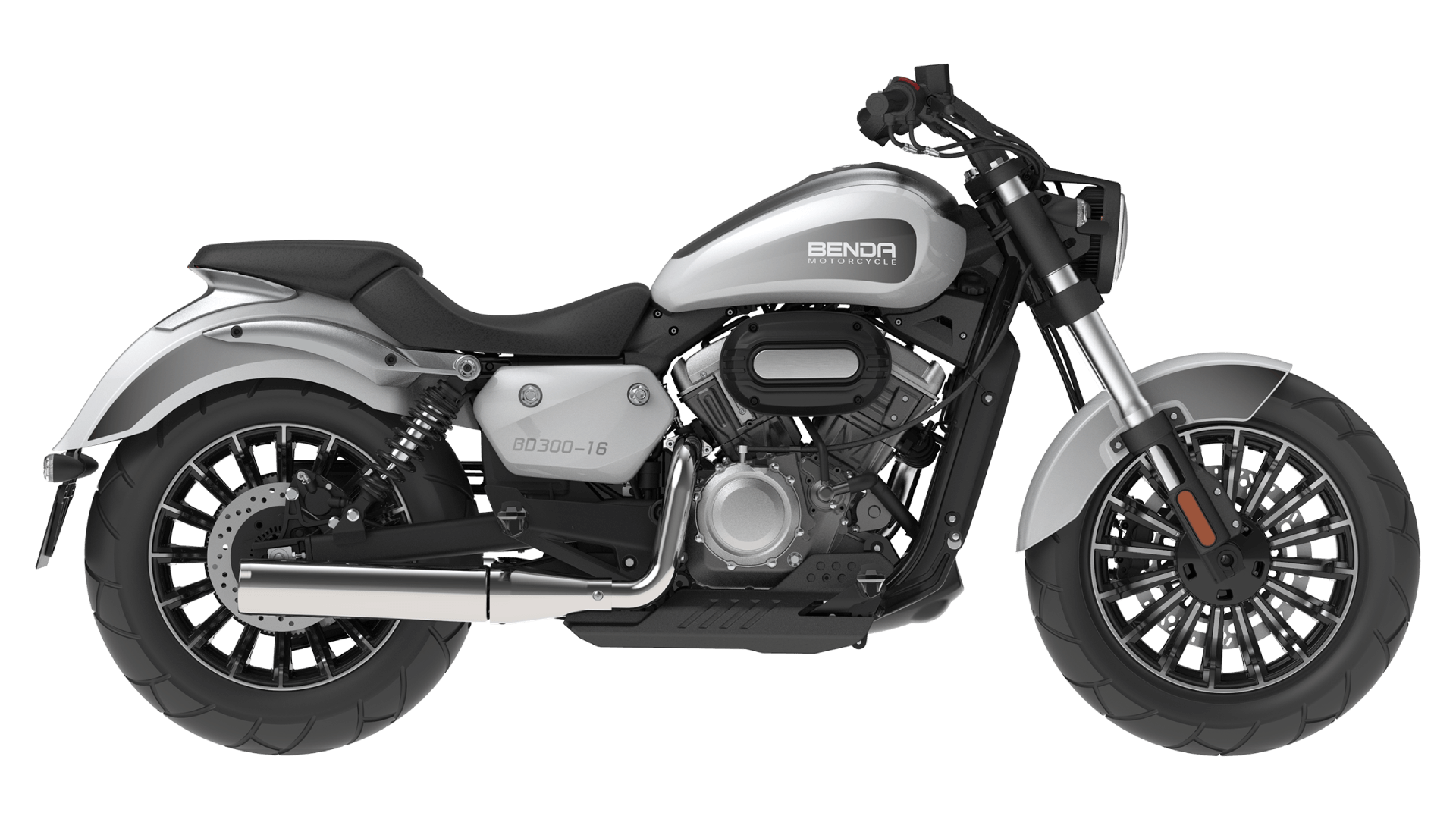
– Safety and service: Look for lean-sensitive ABS, clear diagnostics, and parts access that won’t stall weekend rides—simple, but vital. Make it a habit, take notes, and trust what your hands and ears tell you—because the right choice should feel obvious after ten honest miles. In the end, brands that pair sound geometry with thoughtful electronics tend to earn their place, including names like BENDA.