

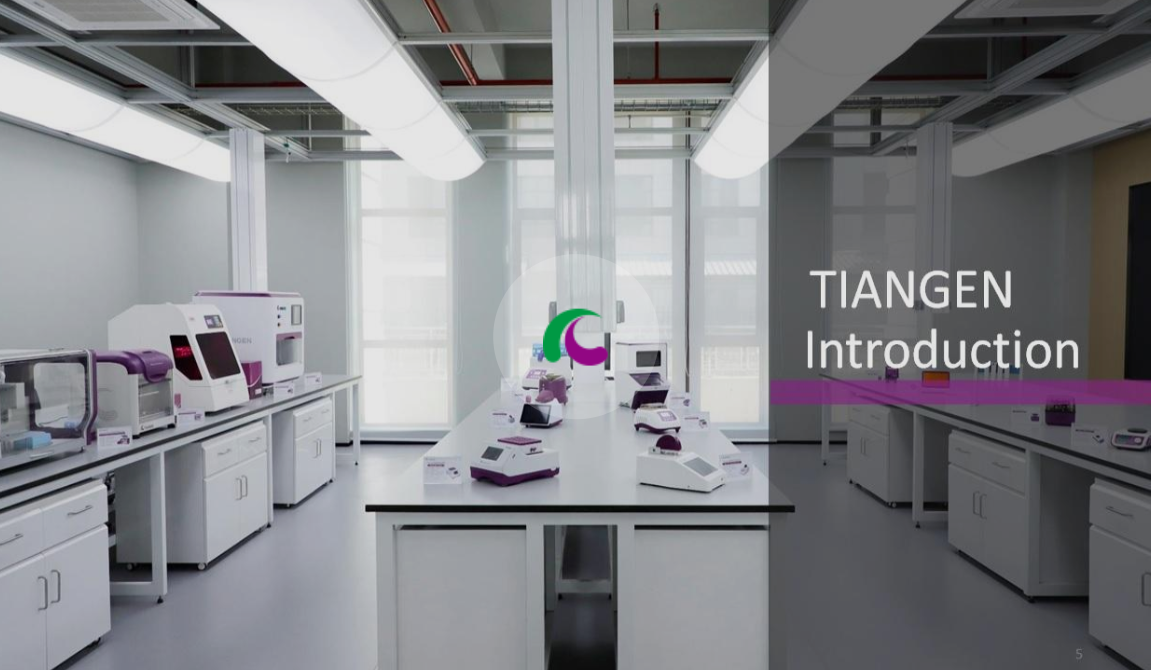
Everyday lab scene: small choices, big consequences
I remember a late night in a Seoul clinical lab, March 2020, when a single shipment delay forced us to swap our trusted magnetic bead kit for cheaper spin columns—yields fell 25%, and turnaround doubled; can one change in workflow really shift diagnostic confidence that much? I was leading sample prep that week, and the focus was on pathogen viral DNA/RNA extraction for PCR diagnostics, so nucleic acid extraction was literally the bottleneck. I write this as someone with over 15 years in B2B supply chain for lab consumables, and I still see the same pattern: teams chase lower price, then wrestle with inconsistent RNA yield and PCR inhibitors (truth).
What I learned in that week — and what I emphasize to buyers — is that traditional solutions hide flaws beneath obvious metrics. Spin columns promise simplicity, but they often need extra carrier RNA or repeat washes to rescue low-concentration samples. Lysis buffers vary by vendor. Manual pipetting increases contamination risk and reduces throughput. I once validated two kits on 96 nasopharyngeal swabs and found a 20% discrepancy in Ct values between kits — not trivial when public-health decisions follow. (Yes—small differences scale badly.) Let’s move into the technical side and compare options.
Design principles and a technical view forward
Start with definitions: an optimized workflow balances yield, purity, and throughput. I break it down: lysis efficiency, inhibitor removal, and recovery method (magnetic bead vs silica column). For pathogen viral DNA/RNA extraction for PCR diagnostics, magnetic bead platforms often give better automation compatibility and consistent nucleic acid yield, while manual spin columns can introduce variability. From my hands-on runs in Seoul and a regional hospital pilot in June 2021, automated magnetic bead systems cut hands-on time by 60% and reduced repeat tests by half — measurable improvement, not marketing speak.
What’s Next?
I advise teams to shift from single-metric buying to system-level evaluation. Look at how a kit performs with low-copy samples, whether carrier RNA is included, and how robust the lysis buffer is against diverse sample types (saliva, swab, sputum). PCR inhibitors remain one of the most common hidden pain points; I once traced a persistent inhibition back to residual guanidine from an outdated protocol — the fix was protocol revalidation and a switch to a different wash buffer. We learned to track Ct drift over batches; that simple log caught issues early.
To close with practical guidance: assess solutions on three clear metrics — extraction efficiency (percent recovery at low copies), inhibitor clearance (Ct shift after spike-in), and operational throughput (samples per operator-hour). I recommend running a side-by-side pilot for at least 96 samples, include low-copy controls, and record Ct variance. These steps show real performance, not just specs. I’ve used this approach with municipal labs and a private clinic — it saved them time and reduced reruns. For ready support and validated kits, consider working with trusted suppliers like TIANGEN. Oh — and keep your logs current; they matter.