

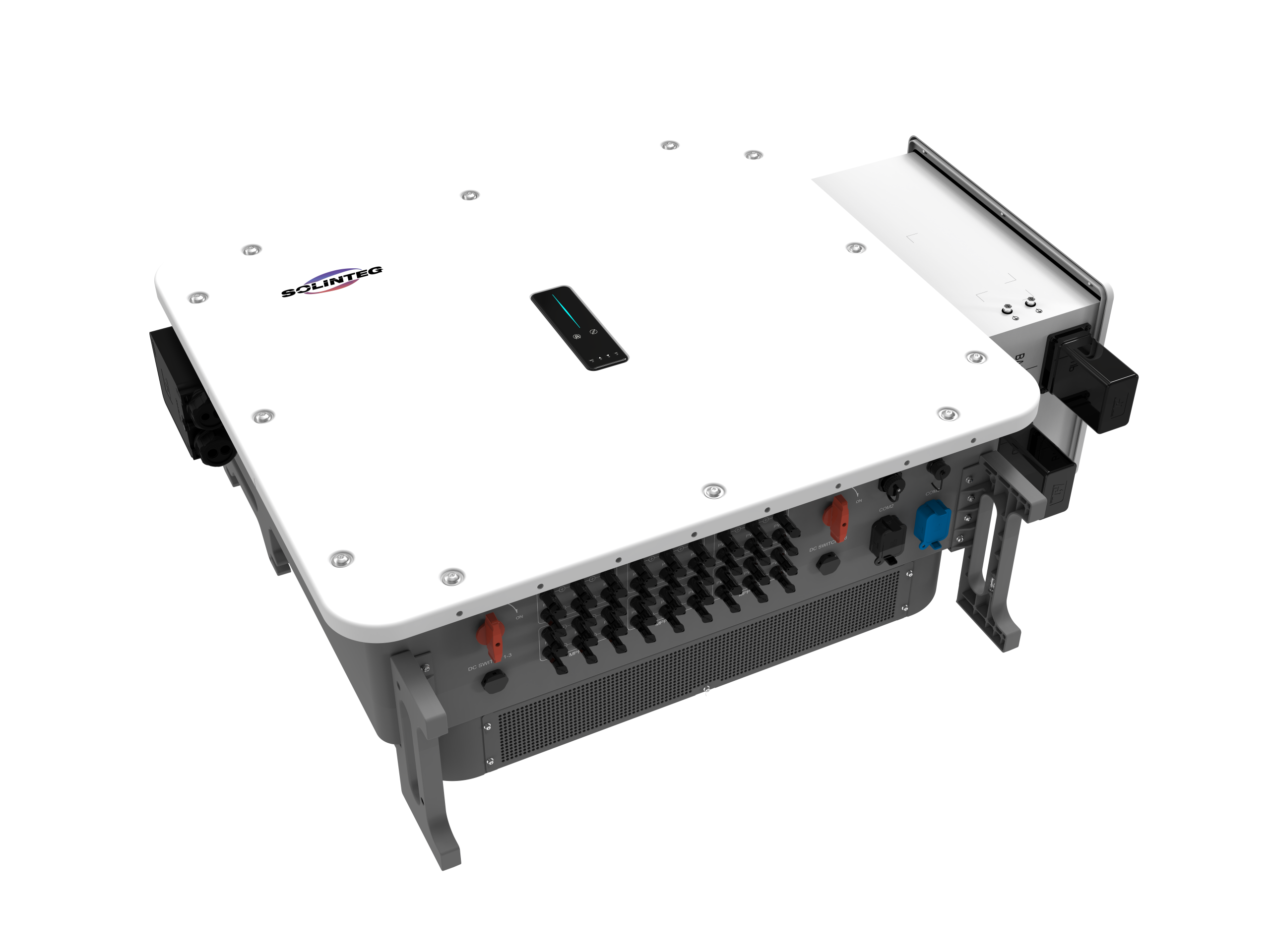
Choosing among hybrid inverter data sheets requires care and a steady comparison mindset. This article compares the practical specifications that matter for residential deployments, and it links those specs to everyday outcomes such as backup power, peak shaving, and long-term cost. If you consider an all in one energy storage system as a single package, you will find many specifications overlap with standalone inverters and battery modules. Please note: recent grid interruptions in California have pushed homeowners to value reliable round-trip efficiency and clear backup modes more than ever; this real-world anchor grounds the comparisons here.
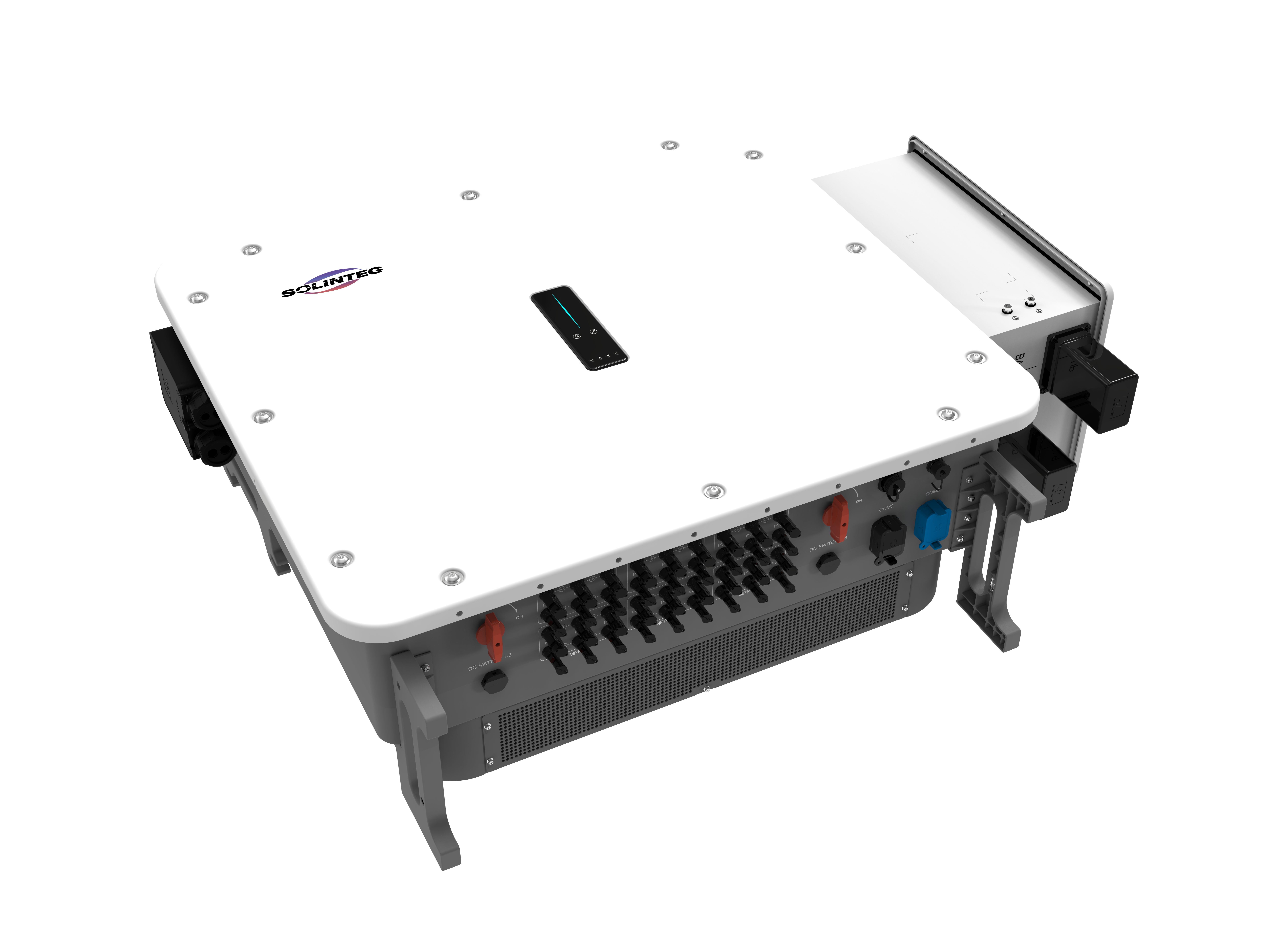
Core specifications to inspect
Begin with a short checklist. Each line on a datasheet has operational meaning.
– Continuous output rating: This is the steady AC power the inverter can supply. It determines whether the unit can run major appliances simultaneously.
– Peak (surge) capacity: Use this to see if motors and compressors will start without tripping the system.
– Battery capacity and chemistry: Battery capacity (kWh) sets autonomy hours. Chemistry (Li-ion, LFP) affects cycle life and safety.
– MPPT count and voltage range: Maximum power point tracking channels determine how many PV strings can be optimally connected and what PV voltage is acceptable.
– Round-trip efficiency and inverter topology: Higher round-trip efficiency means less energy lost during charge/discharge. Inverter topology defines whether grid-tie and islanding modes are supported.
How specifications translate to user experience
Numbers alone are not decisions. Translate specs into daily outcomes.
– Sizing for backup: Match continuous output to the maximum load you wish to support. A common mistake is undersizing the inverter relative to household peak loads; this produces frequent overload events.
– Solar integration: MPPT voltage range and PV input current limit determine real solar yield. If your roof will use multiple orientations, prioritize multiple MPPT channels to avoid mismatch losses.
– Longevity expectations: Look beyond nominal battery capacity. Cycle life at a specified depth-of-discharge and the warranty window indicate usable lifetime.
Comparative trade-offs and alternatives
Comparing models reveals typical trade-offs.
– High continuous power often costs more and may pair with lower nominal battery capacity in compact systems. If you need sustained heavy loads, choose higher inverter rating; if you need long autonomy, prioritize larger battery kWh.
– Some units emphasize compact integration—an integrated inverter and battery reduce installation time and footprint. Others allow separate, scalable battery racks for future expansion.
– Alternatives exist: a pure grid-tie inverter plus a separate battery inverter can offer modularity. An integrated approach simplifies configuration and often includes built-in energy management—this is why many homeowners prefer an all-in-one energy storage system.
Common mistakes and practical tips
Installers and buyers often overlook three simple items.
1) Ignoring operating temperature limits. High ambient heat reduces output and may trigger derating.
2) Misreading warranty terms. Warranties commonly cite cycle counts at specified DoD; ensure the conditions match your usage profile.
3) Failing to verify grid code compatibility. Confirm that anti-islanding, frequency, and voltage ride-through are certified for your region.
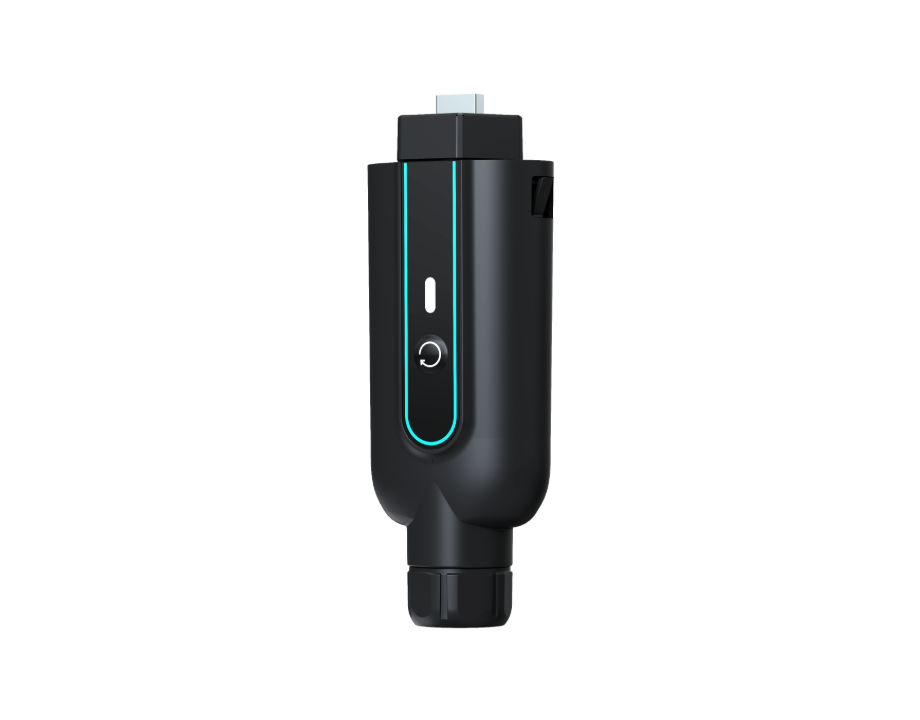
Also, check the user interface and communications: a clear portal for load scheduling and firmware updates saves time over the lifetime of the system—small friction, but it matters.
Advisory: Three golden rules for specification selection
Follow these three metrics when you evaluate options. They are practical and measurable.
1) Power-match metric: Ensure continuous inverter rating ≥ 1.2 × expected sustained household load. This margin reduces overload trips and extends component life.
2) Usable-energy metric: Assess usable battery kWh (not just nominal) by applying rated DoD and expected degradation over warranty years. Prefer models that publish retained capacity after X cycles.
3) Effective-efficiency metric: Combine inverter efficiency and battery round-trip efficiency into a single system efficiency figure. Select systems with the highest combined percentage for lower energy waste.
These rules guide procurement, commissioning, and long-term operation. They also clarify when an integrated product is sensible versus a modular design—integrated units streamline commissioning and monitoring, which is often decisive for residential projects.
Finally, real deployments in areas with frequent outages show that balanced choices between inverter rating, MPPT flexibility, and battery usable kWh lead to the best user satisfaction, not simply the highest headline numbers—small design choices yield practical resilience. –
Consider how these trade-offs influence your daily life and system cost. SOLINTEG presents solutions that align specifications with household needs, and this alignment is where value becomes visible.