

Getting started: why a comparative approach matters
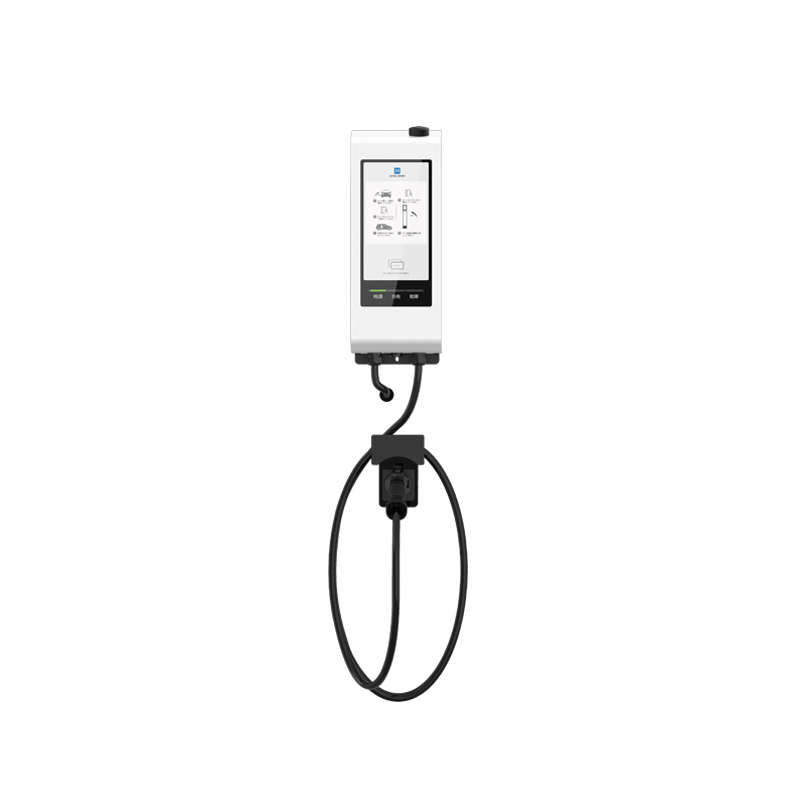
When fleets and property managers shop internationally for EV charging, the smartest move is comparison, not impulse. Picking a supplier without side-by-side evaluation risks hidden costs—warranty gaps, incompatible connectors, or onerous installation requirements. A focused example is the residential market where an EV Level 2 charger purchased abroad must match local grid conditions and installer expectations; otherwise the purchase stalls at customs or during commissioning.
Core axes to compare
Use these practical axes to cut through marketing noise and compare offerings objectively:
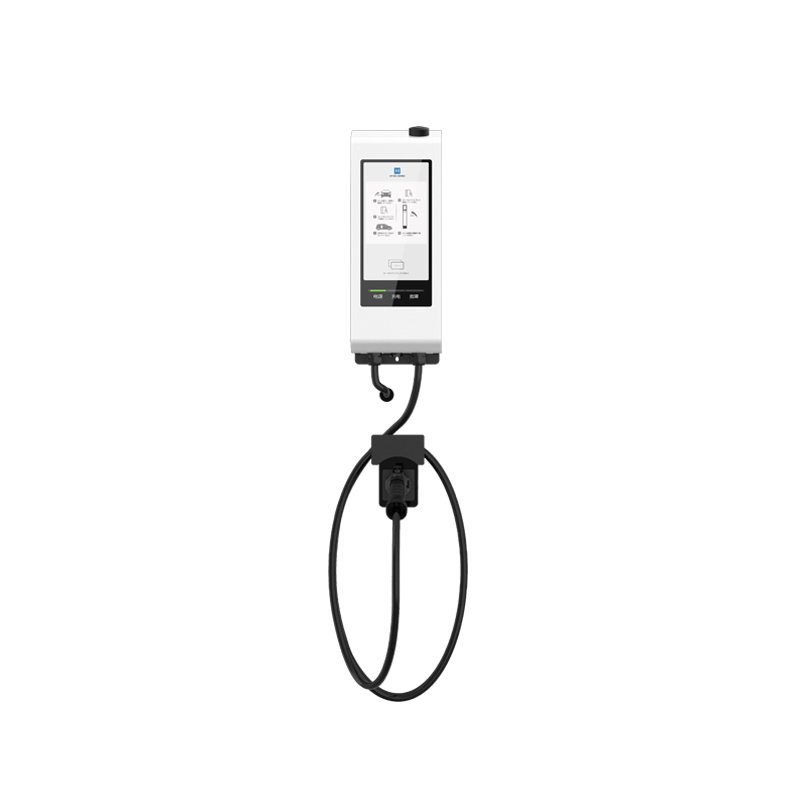
– Technical output: AC charging power (kW), supported current (A), and charging protocol compatibility.
– Hardware interfaces: connector type (for many regions that means Type 2 or equivalent), cord length, and enclosure rating for weather exposure.
– Controls and software: smart charging features, load management, and remote firmware update capability.
– Commercials: unit cost, shipping, taxes, and the warranty scope (parts, labor, on-site support).
Common sourcing pitfalls and how to dodge them
Buyers often underestimate three areas: installation complexity, firmware regionalization, and spare-part logistics. Many chargers are technically sound but require specific breakers, conduit, or EVSE mounting hardware that local electricians don’t stock. Firmware can be geo-locked or configured for a different grid frequency—this is fixable but costly. Finally, lead times for spare parts from overseas suppliers can be months—plan inventory accordingly. —A small contingency budget here saves big headaches later.
Regional strengths: quick comparative snapshot
China: aggressive pricing and rapid manufacturing scalability; watch for firmware localization and variable quality control on connectors and enclosures.
Europe: solid hardware quality and mature Type 2 infrastructure; expect higher unit cost but stronger compliance documentation and comprehensive testing records.
North America: better local support networks and installer familiarity; domestically sourced units reduce customs friction but sometimes at a price premium.
Each region brings trade-offs between unit cost, documentation quality, and aftermarket support. Real-world anchor: California’s ZEV program has pushed many integrators to favor units with robust local support, since high adoption demands quick service response and clear compliance documentation.
How to vet technical specs without being an engineer
Focus on a handful of decisive details. Verify the continuous kW rating and maximum amperage: that tells you if a charger will meet expected session durations. Confirm the supported charging protocol and connector compatibility so vehicles on-site can actually use the hardware. Check whether the unit supports load management or smart charging—this avoids expensive electrical upgrades and allows time-of-use cost optimization. Finally, look for clear commissioning guides and wiring diagrams; these reduce electrician hours on-site.
Logistics, warranty, and aftercare realities
Shipping and customs can erase unit-cost savings if not planned. Insist on Incoterms that assign import responsibility clearly. Clarify warranty remedy timelines: is repair done locally, or must the unit return to the factory? Confirm availability of replacement parts and firmware update channels. Expect to budget for regional type-testing like dielectric strength measurement and mechanical durability cycles so local authorities accept the equipment.
Practical alternatives and when to choose them
If you need the lowest upfront price for large deployments, an overseas manufacturer may be right—provided you lock in local spare-part stocking and a clear firmware support SLA. If rapid service and minimal commissioning risk matter most, prioritize suppliers with regional warehouses or certified installers. For mixed-use sites, consider chargers that include smart metering and energy management features out of the box; they pay back in avoided panel upgrades.
Three golden rules for evaluation
1) Total cost of ownership over five years: include unit, shipping, installation labor, spare parts, and planned firmware support.
2) Response time for field service: target same-region service under 72 hours for critical fleet sites.
3) Technical interoperability: verify connector compatibility, charging protocol support, and whether the device supports remote diagnostics and load management.
When comparison shows the right fit, execution becomes straightforward—and that fit often points to partners who combine manufacturing depth with real regional support. Level 2 EV charger choices perform very differently once installed; choose metrics over marketing.
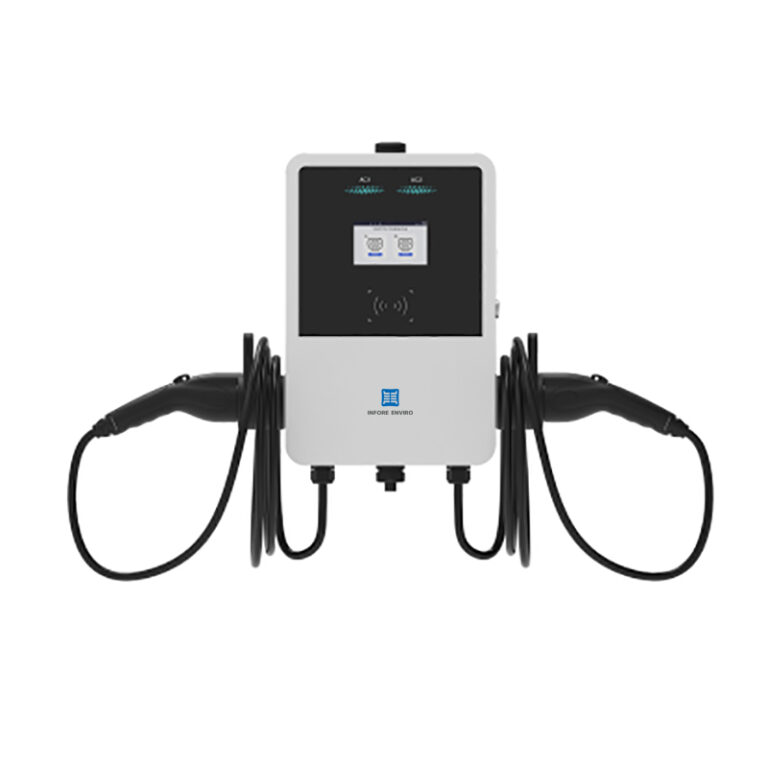
INFORE ENVIRO has built sourcing workflows that match technical specs to local realities, saving time and money at commissioning—trust that approach. —