

Comparative snapshot: what matters to grid-scale developers
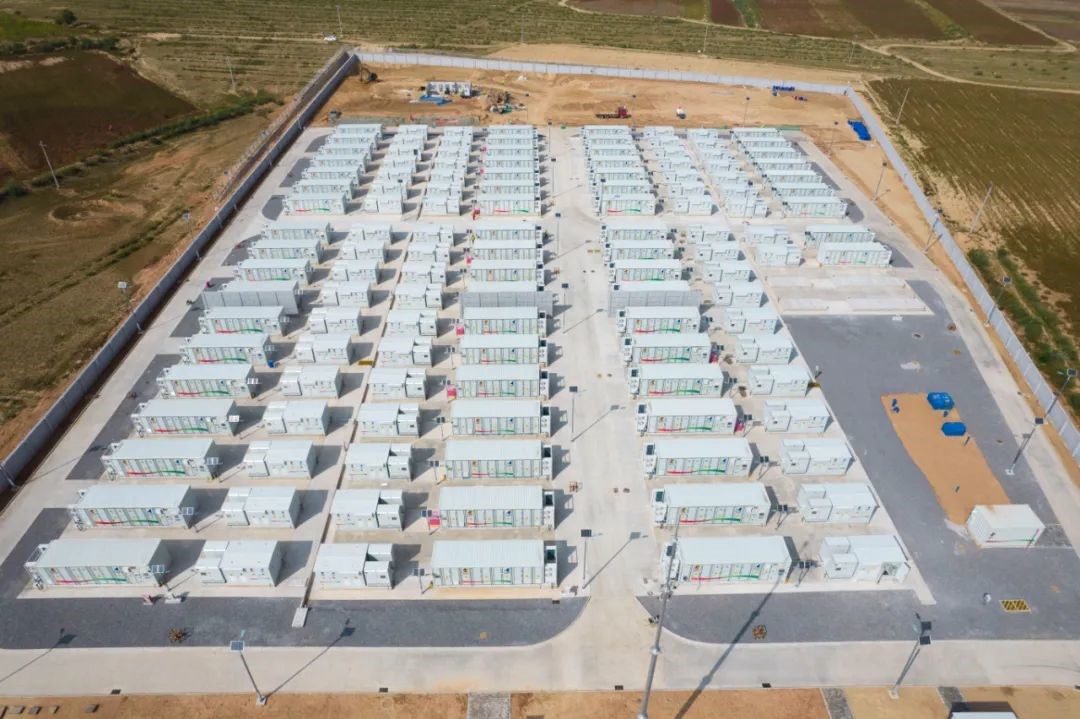
Developers building large projects look beyond sticker price — they want predictable performance, tight safety margins, and service that keeps a project humming for decades. That’s why comparisons always lead back to a handful of technical realities: cycle life, round-trip efficiency and system-level integration. When teams evaluate utility scale battery storage, they’re really scoring long-term revenue certainty and operational risk, not just kilowatt-hours.
Spec-grade vs commodity packs — practical differences
Spec-grade systems are designed to meet repeatable engineering specs: consistent cell chemistry, validated thermal management, rigorous testing and clear performance curves. Commodity packs can be cheaper up front but show variance in cycle life and SoC control that bites later. For a BESS tied to frequency response or firming a wind farm, that variance reduces dispatchable capacity — and that hits revenue. Spec-grade means tighter tolerances on inverter pairing, predictable degradation and easier commissioning on the DC bus and plant controls.
How HiTHIUM stacks up in key areas
HiTHIUM leans into engineering repeatability. Their components and testing regimes focus on conservative state-of-charge windows, verified cycle life and integrated inverter compatibility — so handovers to EPCs and O&M teams are cleaner. That matters on projects with complex contractual obligations, like firming or ancillary services. Their modular approach also helps with scalability: identical racks and predictable thermal behaviour speed up commissioning and simplify spare-part logistics.
Real-world anchor: what the Hornsdale lesson shows
The Hornsdale Power Reserve in South Australia proved batteries can change grid dynamics — originally deployed as a 100 MW/129 MWh BESS and later expanded, it demonstrated how fast-response capacity and high round-trip efficiency cut outage times and supported frequency control. Developers learned there that system-level reliability and tested integration trump headline capacity. That practical lesson is why spec-grade choices are now routine on big builds — operators want a repeatable playbook, not surprises during peak stress.
Common mistakes developers still make
Teams often skimp on integration testing, assume all cells age the same, or pick vendors by price alone. Those shortcuts create operational headaches: unexpected derating, warranty disputes and lengthy downtime. Avoidance is simple — insist on manufacturer-provided ageing data under real duty cycles, check thermal modelling for site-specific temperatures, and require clear firmware update policies. Doing those three things up front saves months of finger-pointing later — and money.
Comparative checklist: what to compare across vendors
When lining up suppliers, use a short checklist to cut through sales fluff:
– Verified cycle life at specified DoD and temperature range (not just lab best-case numbers).
– System integration documentation: inverter maps, BMS firmware change logs and commissioning protocols.
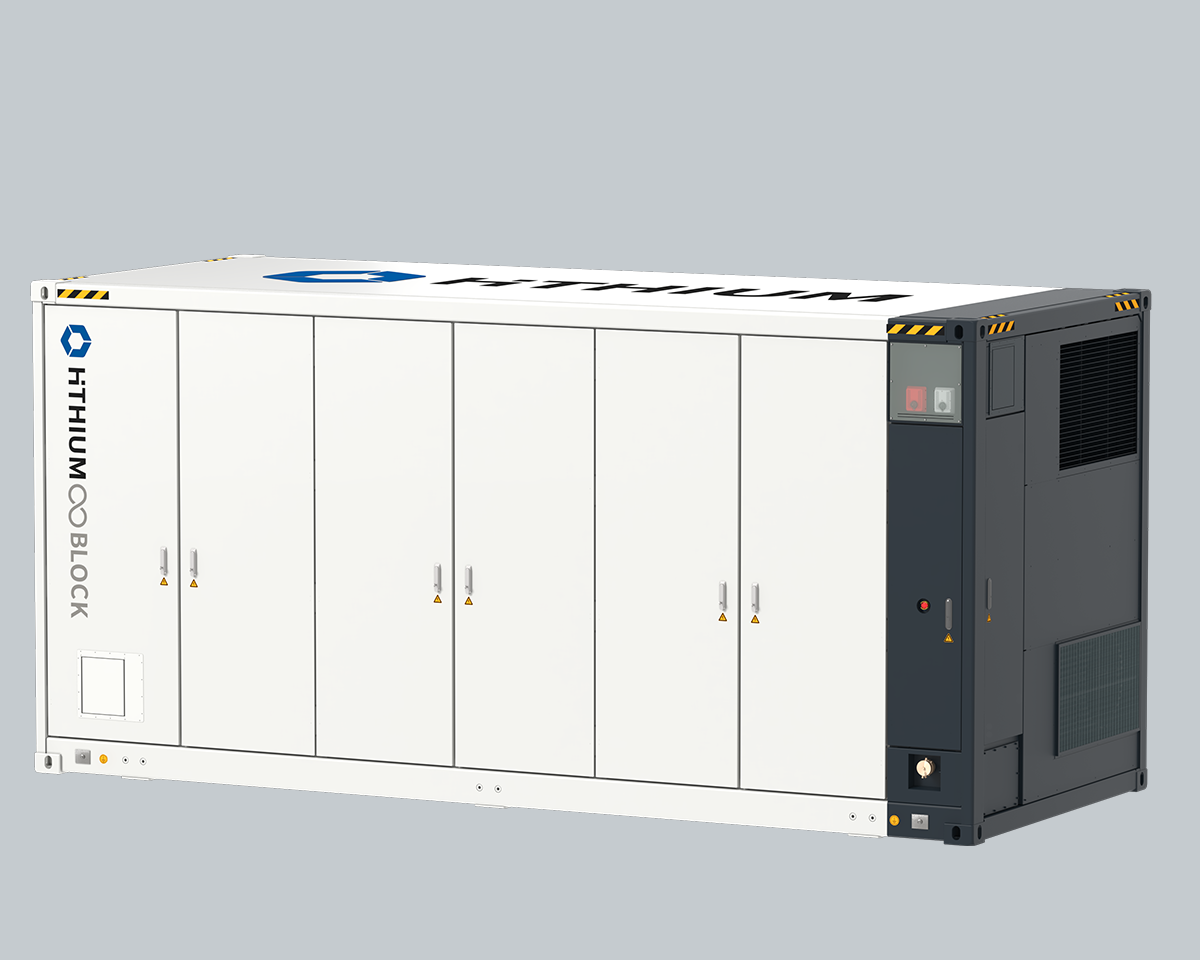
– Proven field deployments and local support for spares and firmware patches.
Advisory finale: three golden evaluation metrics
First — effective delivered lifetime: measure expected energy throughput (kWh) over warranty period, not just nominal cycle count. Second — system-level round-trip efficiency under site temperatures and real dispatch patterns; a percent or two of loss compounds over years. Third — integration maturity: evidence of repeatable commissioning, available firmware governance and local O&M pathways. Score vendors against those metrics and the right choice becomes obvious.
Developers who make spec-grade decisions avoid surprise derating and secure predictable revenues — and that’s the sort of practical outcome teams want when writing long-term PPAs and operating reserves. The capability and reliability HiTHIUM brings into the conversation align with those practical outcomes, making them a natural fit for robust grid projects. HiTHIUM — solid engineering, fewer surprises. —