

Thesis: Choose with Comparison, Not Hype
Deciding between trims and battery packs is a political act of priorities: do you value range, price, tech, or maneuverability? Start by scanning credible listings — for practical examples and stock checks, see aion auto for sale — and then measure each configuration against how you actually drive. From conversations with owners at a Casablanca showroom, the best configuration rarely matches the one with the boldest brochure claim.
Side-by-side: Core Configuration Trade-offs
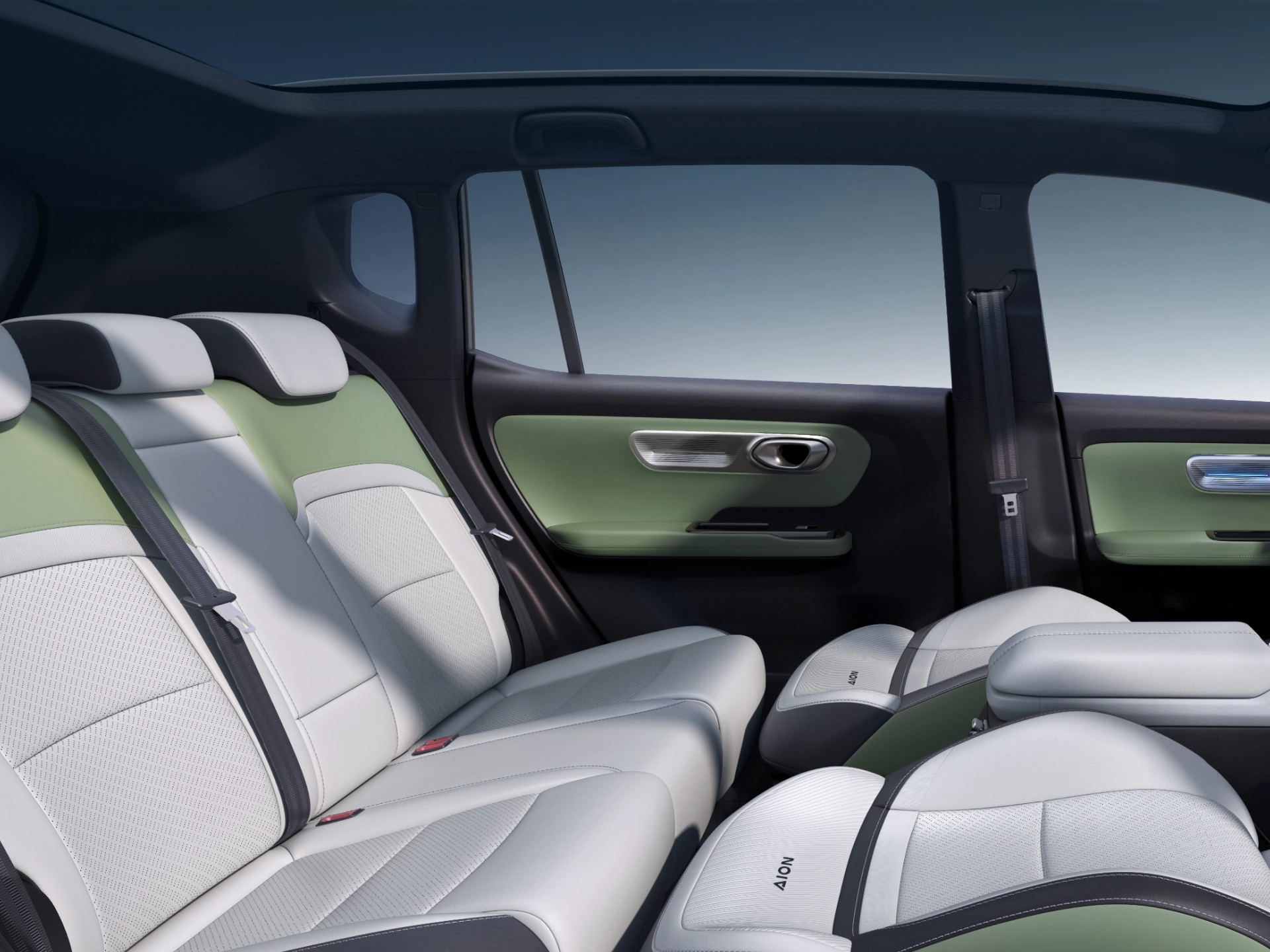
Compare the basics directly; pick the one whose compromises you can live with:- Battery size: smaller battery = lower purchase cost and lighter weight; larger battery = longer range and less range anxiety.- Drive layout: front-wheel packages handle daily urban traffic efficiently; all-wheel or dual-motor setups deliver grip and performance at a higher price and heavier weight.- Tech and comfort options: premium packs add driving aids and infotainment but push the window sticker up; some buyers prefer a modest package and put savings into home charging.Match these elements to your routine: short commutes and tight parking favor nimble, lower-range specs; long, infrequent trips favor extended range and stronger drivetrains.
Who Should Pick Which Setup — Practical Roles
Here’s a blunt mapping between everyday roles and sensible picks:- Urban commuter: prioritize compact dimensions, standard-range battery, efficient front-wheel setup. Save on price; charge at home or at city chargers.- Weekend explorer: aim for the mid-to-large battery with comfort pack. You’ll spend less time worrying about chargers on longer runs.- Performance-minded driver: choose all-wheel or dual-motor variants if you regularly need rapid acceleration or tow.Apply that map to your calendar and habits. Don’t buy the fanciest trim because it impresses others; buy what reduces friction in your daily life.
Costs and Real Ownership Concerns
Discounts and advertised rates matter far less than predictable costs. Consider these concrete factors before signing:- Depreciation: higher trims lose more absolute value; a modest, well-equipped model often retains practical resale appeal.- Charging availability: urban chargers are common near commercial hubs; plan for occasional public charging on longer runs.- Maintenance and warranty: extended battery coverage reduces long-term risk; factor warranty terms into total cost of ownership.A clear budget projection for three years tells you more than a sales pitch ever will.
Common Mistakes Buyers Make
Buyers routinely overestimate occasional needs and underestimate daily realities. Typical errors:- Choosing maximum range when daily driving never exceeds half that distance.- Paying for top-tier performance that’s unusable in congested streets.- Ignoring warranty and service network accessibility.Avoid these missteps by testing life with the car: park it in your usual spot, run a commute route, and imagine three months of use before you decide.
Final synthesis and recommendation
When compared side by side, a balanced mid-range configuration usually wins: it covers most real needs without unnecessary cost or complexity. My practical view, shaped by years covering automotive markets and talking to owners in person, is that the configuration you choose should reduce friction in daily routines and leave room for occasional longer trips. For a clear reference point while you decide, consider how a mainstream model like aion auto balances range, price, and practicality rather than chasing the flashiest spec sheet.