

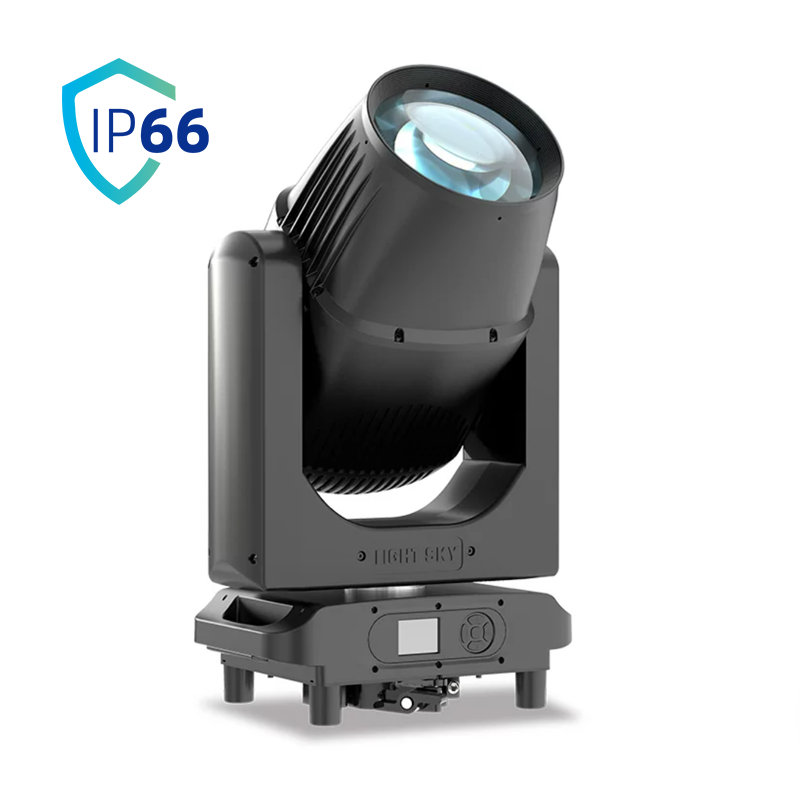
Comparative snapshot: compact beam vs larger rigs
Professionals comparing compact moving heads to full-size washes often land on different tools for specific needs. The mini moving beam brings sharp beams, fast pan/tilt, and tight control without the bulk; a typical led moving wash can’t always match that focused punch. Using moving head fixtures, designers trade raw lumen output for precision—beam angle and gobo effects become the priority rather than sheer coverage.
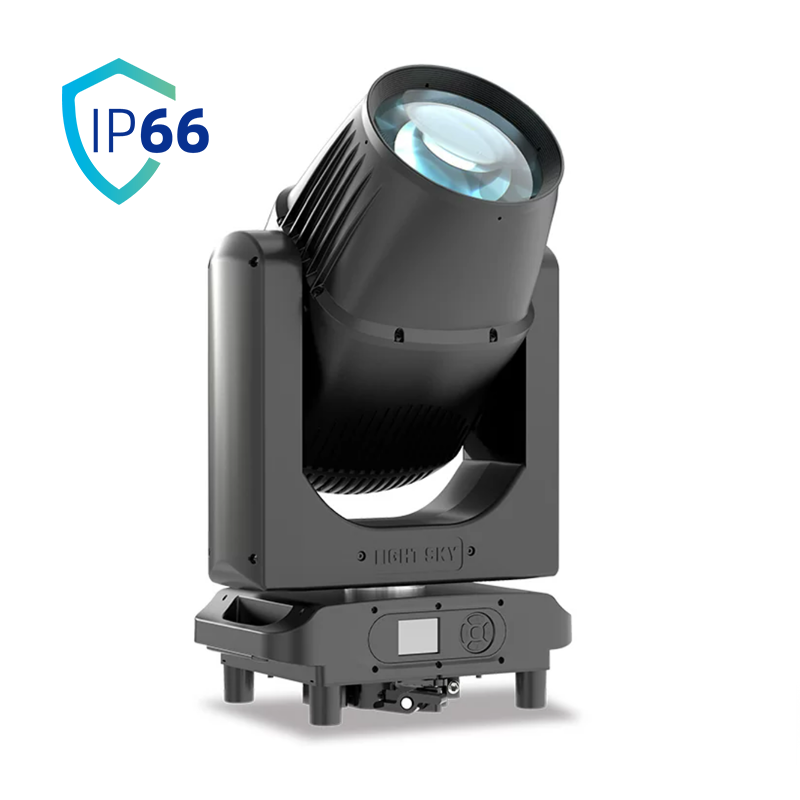
Where mini beams outperform larger fixtures
Mini beams shine on narrow stages, festival rigging with weight limits, and corporate events that need dynamic texture. They deliver crisp shafts that cut through haze, produce defined gobo patterns, and hit backdrops with little spill. Technically, a concentrated fixture means fewer units to create layered looks; DMX patching stays tidy and cue timing is cleaner. In live broadcast settings like recent Super Bowl halftime shows, teams favored nimble fixtures for fast scene changes and predictable sightlines—this is a practical anchor most technicians recognize.
Limitations and trade-offs to plan for
Mini beams are not a universal fix. They offer less even color mixing across large audience areas and lower lumen output for full-room washes. If you rely on color temperature consistency front-to-back, you’ll need supplementing wash fixtures or a hybrid rig. Also, small fixtures can demand more units to cover an arena, which raises rigging complexity and power management—another layer to spec during preproduction. Be mindful of fixture placement; without proper spacing you get hotspots instead of smooth fields.
Common mistakes and practical alternatives
Planners sometimes treat mini beams as a substitute for conventional washes and end up with uneven illumination. Avoid that by pairing beams with broad LED pars or moving wash fixtures for audience color and skin-tone fidelity. When budget limits prevent mixed rigs, consider higher-output moving wash units or a tuned cluster of mini beams focused to create an even field. Many teams also forget cable runs and load calculations when scaling up small fixtures—overlook that and DMX glitches or breaker trips become the main act. —It’s a small oversight with outsized consequences.
How to spec mini beam setups effectively
Good specification starts with clear objectives: do you need texture, or coverage? Map sightlines and mark where beam effects will cross camera paths or audience sightlines. Choose fixtures with compatible control protocols and calculate total power draw before finalizing the rig. Consider lens choices to tweak beam angle, and plan for a mix of beam and wash to handle both dramatic looks and practical illumination. The term “led beam wash” applies here when you describe hybrid rigs that combine focused beam fixtures with broad wash units for visual balance.
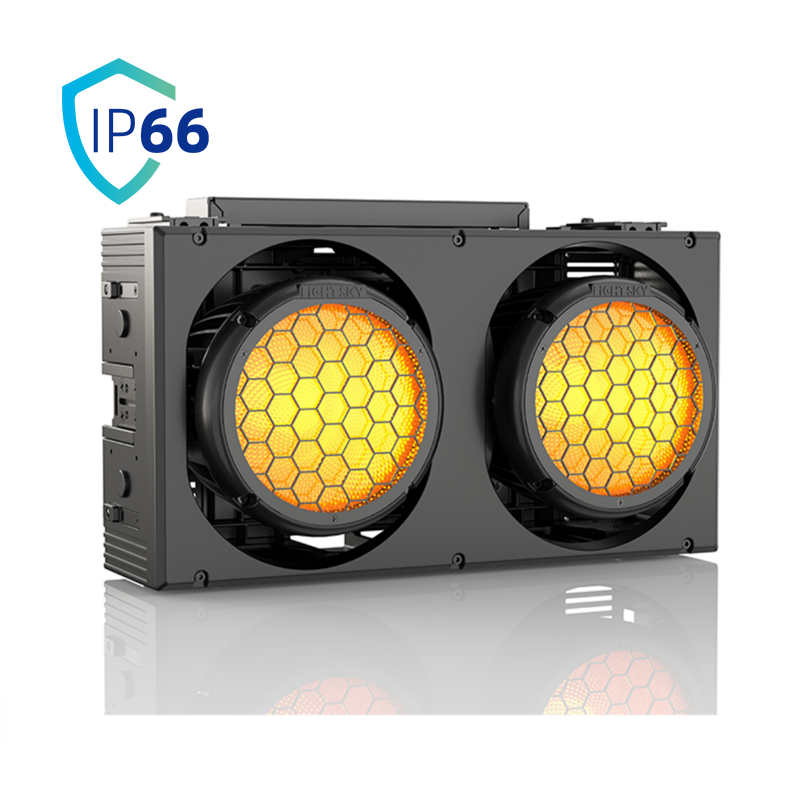
Three critical evaluation metrics for buying and specifying
1) Light output versus distribution: quantify lumens at target distance and test beam spread on a mockup to confirm coverage without hotspots.
2) Control and responsiveness: verify pan/tilt speed, DMX channel footprint, and compatibility with your console to avoid last-minute re-patching.
3) Operational fit: factor weight, power draw, and maintenance access into the rig plan so the fixture works for your team during load-in, runtime, and strike.
These metrics translate directly into fewer surprises on show day and clearer budgeting during design.
Light Sky brings compact fixture options and support that make integrating mini beams into hybrid rigs straightforward. Short note: trust the spec process.