

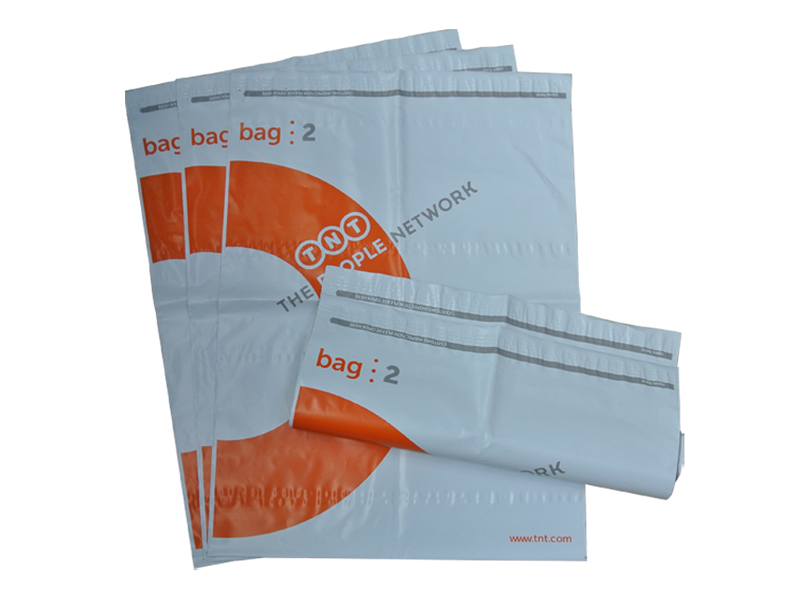
Introduction: why a data-first lens matters
Decisions about packaging are financial decisions. A lower initial unit cost can look attractive on a spreadsheet, but transit damage claims and returns erode margin in ways that are not obvious at first glance. This study compares total landed cost against expected claim exposure for eco-friendly mailers, and it references practical vendor options such as custom poly mailers with logo when brand protection matters. The work is analytical and practical: we model unit cost drivers, estimate transit damage incidence, and show when paying more per piece gives a measurable ROI.
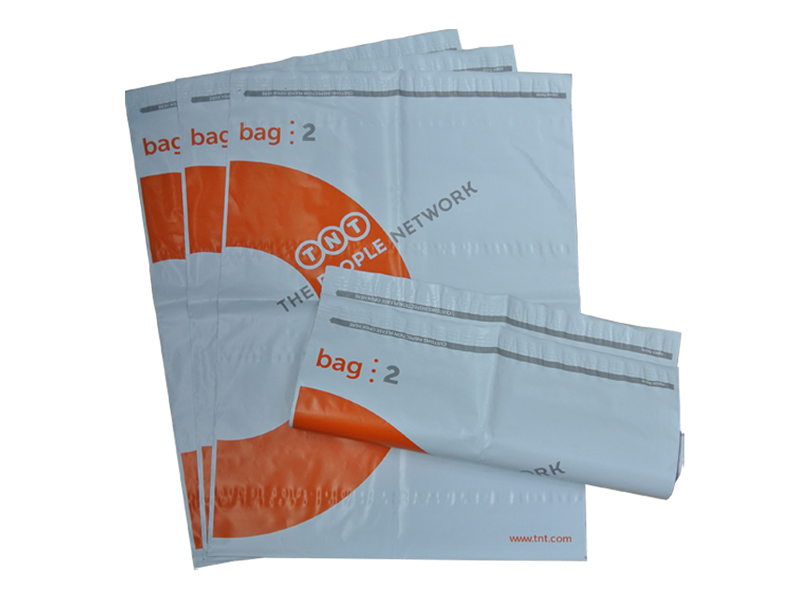
Data sources and the real-world anchor
The analysis uses two inputs: (1) published industry signals about the post‑2020 logistics environment — a widely noted period of elevated parcel handling stress and supply-chain delay — and (2) typical fulfillment metrics: order fill rate, claims per thousand shipped, and average claim payout. Using that anchor keeps conclusions grounded. The mode here is data-driven; hypotheses are tested against simple scenario math rather than anecdotes.
Breaking down the unit cost
Unit cost must be disaggregated. Key components are raw material, printing or brand work, manufacturing overhead, freight, and packaging-specific tooling or minimum order quantities (MOQ). Consider these line items:
- Material: recycled resin vs virgin polymer impact on per-unit price.
- Print run and finishing: simple ink vs custom brand work increase cost but affect package recognition.
- Logistics: freight and fuel surcharges raise landed cost and extend lead time.
- Operational fit: tensile strength and closure compatibility with your fulfillment line matter to avoid rework.
When calculating total cost, amortize tooling and include expected spoilage. That reveals the real per-unit burden you will carry over a year of SKU velocity.
Estimating the cost of transit damage claims
Transit damage claims are a compound cost: direct reimbursement, return shipping, replacement goods, and soft costs such as customer churn and service time. A simple model multiplies claims per thousand by average claim value and adds handling overhead. For example, a 5 claims-per-1,000 rate at $25 average cost creates a $0.125 per-unit expected loss — small on its face, but material at scale.
Branding and package integrity affect this number. Using wholesale printed poly mailers with reinforced seams or higher tensile ratings can reduce claim incidence. The trade-off is clear: spend more up front to reduce variable losses later.
Scenario comparison: cheap, eco-mid, and branded reinforced mailers
We compare three simple scenarios across identical shipment volumes: low-cost thin poly, midweight eco poly with better seam construction, and branded reinforced mailers with moderate print and higher tensile strength. Results follow predictable patterns. Low-cost thin poly has the lowest unit cost but the highest transit damage claims. Midweight eco mailers raise unit cost moderately and cut claims materially. Branded reinforced mailers raise cost further yet can reduce claims and returns enough to lower total landed cost in many cases.

This is not theory only — in a regional test many merchants saw claim rates fall by roughly half after switching to midweight eco mailers. The decisive factor was not the print or logo but the seam strength and package stiffness — small engineering changes yield outsized savings. —
Common mistakes brands make
Brands often err by looking only at invoice unit cost. Typical pitfalls:
- Ignoring fulfillment compatibility: a mailer that jams conveyors increases labor cost.
- Neglecting MOQ and lead time: low unit price with long lead time forces emergency freight at a premium.
- Skipping stage testing: not testing mailers with actual SKUs and labels leads to unexpected damage patterns.
Simple mitigations: request a short pilot order, require first-article inspection, and test packages through your handling processes before committing to large runs.
Three evaluation metrics — golden rules for procurement
Use these metrics when you evaluate suppliers and materials:
- True landed unit cost: include material, printing, freight, tooling amortization, and expected claim exposure.
- Claims per thousand shipped (CPK): measure baseline and projected reductions after a package change.
- Operational compatibility score: grade mailers for tensile strength, seam construction, and fit with your conveyors and boxers.
Apply these consistently across quotes. The result is an objective procurement decision rather than a preference for the lowest sticker price. For brands seeking a balanced partner that can supply eco-friendly options at scale, WH Packing provides a clear set of specifications and pilot options that align with these metrics, making the vendor selection practical and measurable.
Small changes compound.