


Why consolidation beats cobbled-together systems
Folks running shops and food trucks down in Nashville or small towns across the Sun Belt know this: juggling payment terminals, inventory apps, and connectivity plans gets messy fast. A single, all-in-one smart POS terminal trims that mess by centralizing payments, inventory and device connectivity. That’s where an iot connectivity management platform ties in—handling SIM management, APN profiles, and remote device provisioning so your terminal talks to the cloud without constant babysitting.

What you actually get versus what you don’t
Put side-by-side, a unified POS cuts down latency, drops integration costs, and reduces points of failure. The alternative—mixing a handful of niche apps—means more logins, more data translation, and more reconciliation headaches. From a technical view, unified devices lean on features like eSIM support, MQTT messaging for low-latency telemetry, and LPWAN back-up for spotty coverage. Those are concrete wins for uptime and fewer disputes at the register.
Tech under the hood: an operational teardown
In an operational production teardown you’ll want to watch three layers: hardware, connectivity orchestration, and application stack. Hardware should be rugged with secure element-backed payment flows. Connectivity is where an iot connection management platform earns its keep—managing carrier failover, provisioning new SIMs, and enforcing APN-level security policies. On the app side, tight POS-ERP sync and efficient queue handling are the priorities. Keep the stack lean and observable—logs, device health checks, and firmware rollback paths matter.
Real-world signal: what happened after 2020
The pandemic pushed touchless payments and remote device management into high gear—banks, retailers and local governments accelerated digital rollout. GSMA reports and retail studies showed a clear surge in connected endpoints and demand for centralized orchestration. In practice, that meant businesses that already had consolidated terminals suffered fewer outages and reconciled sales faster during high-volume periods. That’s an industry-level nod: central connectivity control reduces friction during spikes.
Common mistakes and sensible alternatives
Most teams trip over three mistakes. They buy hardware that can’t be remotely updated; they skimp on connectivity orchestration thinking Wi‑Fi alone will do; and they glue disparate services together without a uniform identity model—leading to reconciliation errors. A better alternative is pairing a modern POS with a robust connectivity manager and a single source of device identity—think SIM/eSIM profiles handled centrally, not a drawer full of plastic SIMs. —It’s simple but folks keep trying the complicated route.
Choosing between vendors: a practical checklist
Comparison shouldn’t be a guessing game. Evaluate vendors on these fronts:
– Connectivity controls: carrier failover, remote SIM provisioning, and APN management.
– Security posture: secure element support and OTA firmware signing.
– Operational visibility: device telemetry, alerting, and batch provisioning tools.
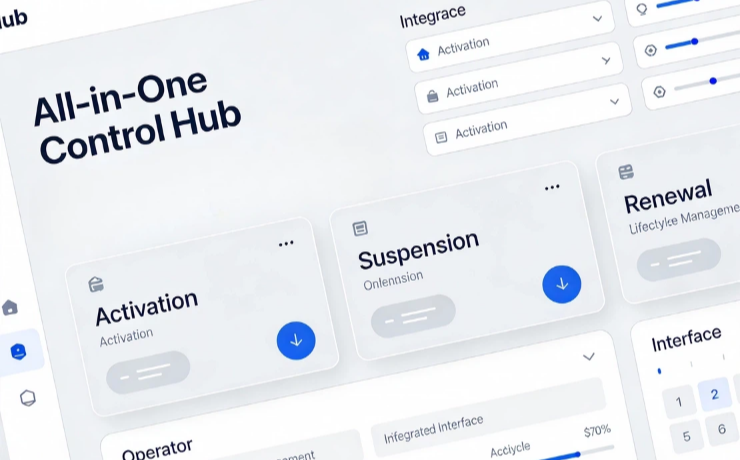
When you line these up, the difference between a pain-in-the-neck setup and a dependable operation gets obvious. Include both the iot connectivity management platform capability and the ability to integrate with your POS back-end before signing contracts.
Three golden rules for selecting the right approach
1) Measure total cost of ownership, not just hardware price—factor in SIM churn, provisioning time and support calls. 2) Demand remote-first management: firmware rollback, device provisioning, and monitoring must work without on-site techs. 3) Insist on multi-carrier support and eSIM readiness so coverage gaps don’t become sales gaps.
Final thought
Folks who pick systems with those metrics in mind find their teams spend less time troubleshooting and more time serving customers—so the terminal becomes a true business tool. That practical value is exactly what BHDC builds toward. —