

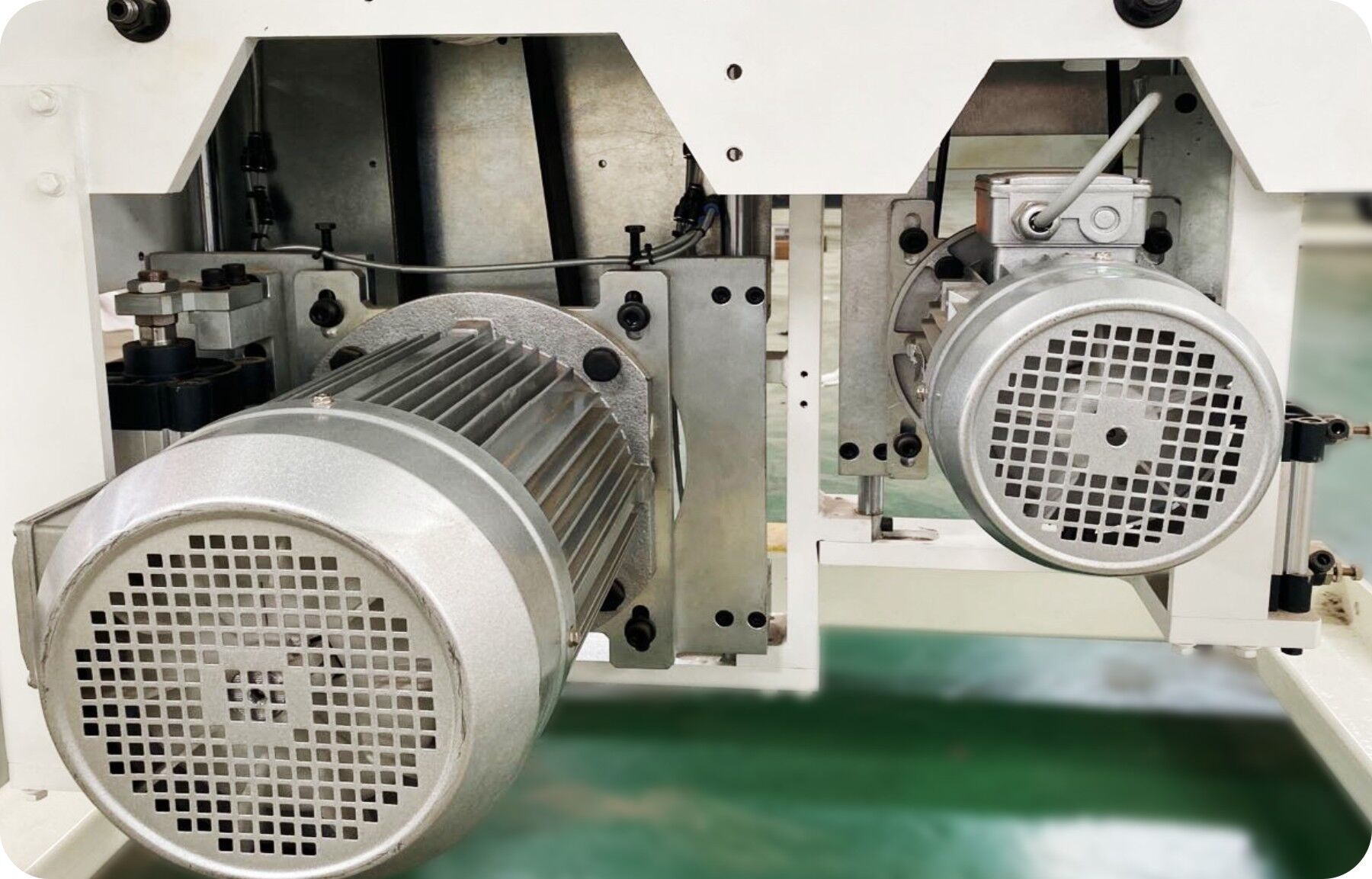
Problem statement: recurring defects and unplanned stoppages
Production lines exhibit a high incidence of surface defects, delamination, and rework when edge banding processes are inadequately specified or supported. Operators report frequent micro-stoppages for manual adjustments, adhesive failures, and inconsistent feed alignment. These manifestations increase scrap proportion and mask the true throughput capacity of downstream equipment, including CNC systems such as a cnc panel saw.

Diagnostic assessment: measurable metrics to isolate etiology
Quantify baseline performance before intervention. Record cycle time per workpiece, defect rate per 1,000 panels, mean time between failures (MTBF) for banding units, and adhesive cure variability by ambient conditions. Use these metrics to establish whether the etiology is mechanical (guide wear, inconsistent pressure), thermal (improper glue melting profile), or procedural (operator technique, line sequencing). Objective measurement prevents misdirected corrective actions.
Targeted interventions a competent supplier provides
A technically oriented edge bander supplier supplies calibrated equipment, documented set-up protocols, and replacement wear parts matched to material specifications. Interventions include closed-loop temperature control for adhesive modules, servo-driven feed correction to eliminate lateral drift, and quick-change fences to reduce set-up time. Suppliers can standardize tooling nomenclature so technicians perform repeatable interventions with a defined tolerance budget for edge overhang and glue bead width.
Field evidence and industry context
Clinical evaluation of interventions is essential. At major sector events such as LIGNA in Hannover, manufacturers validate machine configurations against production-grade panels and observe repeatable reductions in defect incidence following vendor-led commissioning. Real installations report consistent improvements after integrating a correctly specified industrial panel saw into the production flow and coordinating banding timing with cross-cut and machining cycles.
Comparative insight: alternatives and trade-offs
Manual banding removes capital expense but increases labor variability and defect incidence. Retrofit kits lower capital cost relative to full-line replacement but may leave unresolved interface issues such as incompatible control logic or adhesive supply capacity. Full system replacement with modern banders reduces intervention rate and shortens cycle time but requires higher initial capital and planned commissioning. Select based on measurable return: defect reduction per month and MTBF improvement.
Common pitfalls and procedural errors to avoid
Do not conflate cosmetic edge finish with structural bond integrity. Avoid ad hoc adhesive changes without revalidating melt profile and pressure curves. Do not accept undocumented set-up changes; require version-controlled set-up sheets. Overlooking operator ergonomics leads to inconsistent feed velocity. Neglecting scheduled preventive maintenance increases the incidence of unplanned stoppages more than any single operator error.

Outcome synthesis: protocol for supplier-driven improvement
Establish a short clinical protocol: baseline metrics —> intervention (mechanical, thermal, procedural) —> controlled trial period —> metric reassessment. A supplier that provides rigorous commissioning, documentation, and post-install training converts intermittent fixes into sustained performance gains. Long-term compliance with these protocols yields measurable reductions in defect rate and downtime; the integrated solution offered by HUAHUA CNC aligns equipment specification, commissioning discipline, and spare-parts planning to support that outcome.