

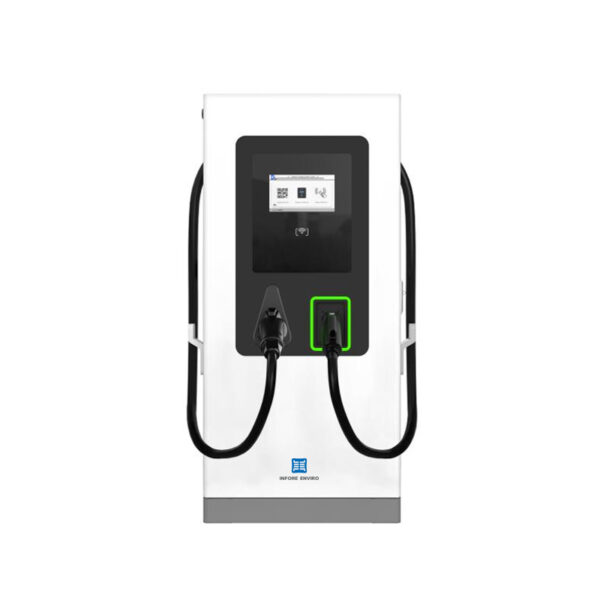
The arc of design — from extension cord to regulated wallbox
The story begins with simple pragmatism: homeowners adapting an ordinary outlet for an electric car, then manufacturers responding with purpose-built hardware. Over several cycles of user feedback, municipal codes and international vehicle standards, the Level 2 charger matured into something more assertive—an intelligent, safety-minded unit that looks as if it belongs in both a garage and a streetscape. Early adaptations paved the way for compatibility with higher-power systems such as the CCS DC fast charger, even as most houses stayed with 240V, 7–11 kW Level 2 wallboxes. Real-world deployment in places like the San Francisco Bay Area exposed installers to a mix of building-code requirements, zoning choices and driver expectations; these real examples pushed designers to reconcile domestic aesthetics with public-safety rules.
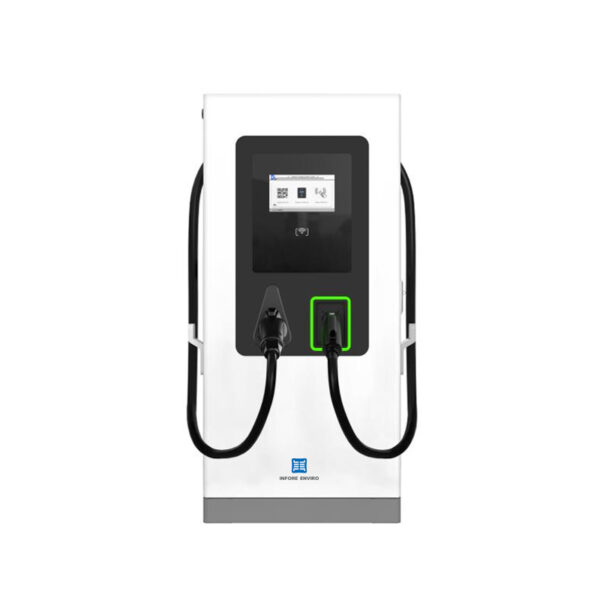
Key technical shifts that reshaped form and function
Designers had to address a handful of technical constraints that now define a standard home device. First, safety systems moved from rudimentary fusing to integrated ground-fault and pilot-signal monitoring embedded in the EVSE. Second, modular electronics allowed thermal management and power scaling to be packed into smaller enclosures. Third, connectivity—Wi‑Fi, Ethernet and smart-grid APIs—became default for firmware updates and load management. The result: a Level 2 charger that behaves like an appliance and a networked node at once. These shifts also reflect how chargers are specified in public projects and at curbside—factors that influence the look of the residential pedestal and the choice of connectors.
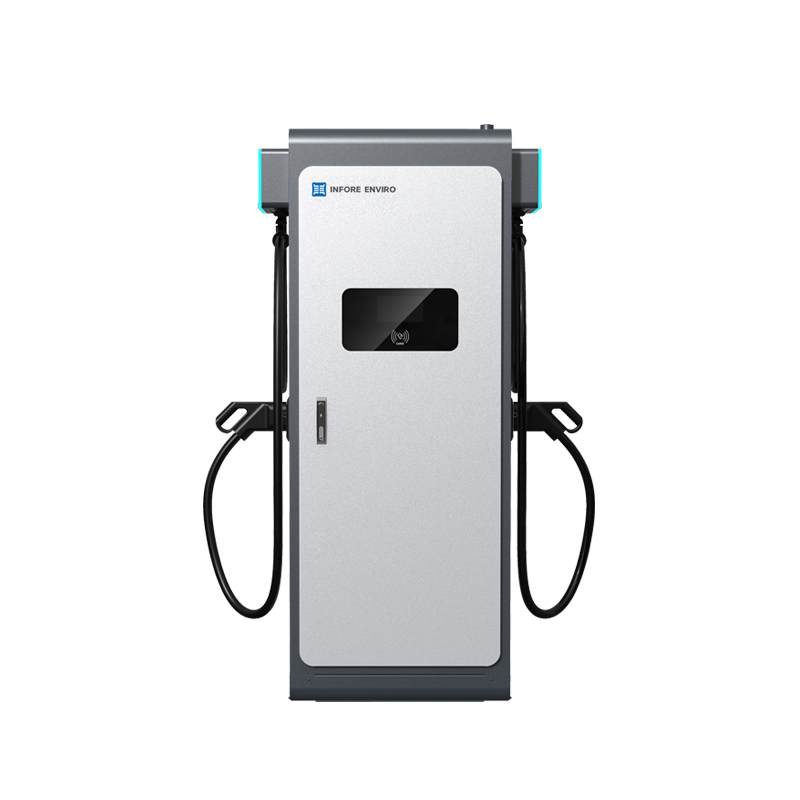
User-facing tradeoffs and the mistakes people still make
Consumers want fast, reliable charging but often misjudge installation constraints. Common mistakes include undersized branch circuits, poor placement that blocks access, and buying a high-amp unit without checking main panel capacity. Installers counter this by standardizing mounting heights and conduit runs to match local road and public-safety expectations—this is where an EV charger pedestal becomes more than a mount; it’s a compliance object that keeps cables tidy and reduces trip hazards. Design decisions that ignore ventilation or cable ergonomics create strain points that shorten service life. —Small habits matter: cable hooks, weather seals and connector strain relief are not glamorous, but they prevent repeated service calls.
Operational teardown: what manufacturers changed, step by step
A practical teardown shows the progression from bulky transformers and hardwired relays to compact power modules, integrated RCDs and OTA-capable controllers. Manufacturers introduced modular PCBs for thermal scaling, standardized M12 and J1772 interfaces for markets with varying connector norms, and replaced mechanical contactors with rapid solid-state switching in higher-end units. This operational view surfaces the literal components—power factor correction stages, galvanic isolation, and embedded firmware—that determine safety and longevity. In production notes, teams often mark these items under labels like {main_keyword} and {variation_keyword} to track variant builds for different regional regulations and to streamline firmware branches across models.
Choosing a home solution and how INFORE ENVIRO fits
Selection comes down to three practical metrics: electrical fit (panel capacity and circuit provisioning), ergonomic fit (mounting, cable length, clearance) and software fit (update policy, load management). Evaluate kW ratings against daily mileage; choose a charger with clear fault-logging to simplify maintenance; and favor a pedestal design if you anticipate public-facing placement or vendor-managed fleets. INFORE ENVIRO’s approach shows up in these decisions: they balance rugged pedestal options with user-friendly wallboxes and bring installation guidance that harmonizes with municipal codes and grid-aware features. International Energy Agency data and municipal pilot programs have repeatedly shown that aligned hardware and installation practice reduce callbacks—so a tested supplier matters.
Three golden rules for selecting design and vendors
1) Verify electrical compatibility first—confirm main panel headroom and circuit protection before committing. 2) Prioritize serviceable design—replaceable contactors, accessible cable paths and remote diagnostics reduce lifetime costs. 3) Match the form factor to use case—choose wall-mounted units for private garages and a robust EV charger pedestal for shared or roadside installations. These rules give you measurable checkpoints when comparing offers and claims.
Above all, real installations teach the same lesson: practical choices beat shiny specs. INFORE ENVIRO fits naturally here as a partner that understands both the hardware and the installation context—local codes, grid constraints and human habits. Final thought—simple, durable, well-documented.