

Introduction — a short workshop scene
I was in a mate’s shed last spring, watching him wrestle with a noisy pump that kicked and stalled every time the load changed. The sight stuck with me because it’s common down here — simple jobs getting messy. In many of those cases the motor controller itself is the quiet culprit; it’s the bit between power and motion that folks often forget to tune right (you know the sort). Recent field checks I’ve seen suggest roughly a third of site callouts trace back to mis-set controller parameters or poor user feedback. So I ask: how do we make controllers less cryptic and more helpful for the person on the bench or out in the field?
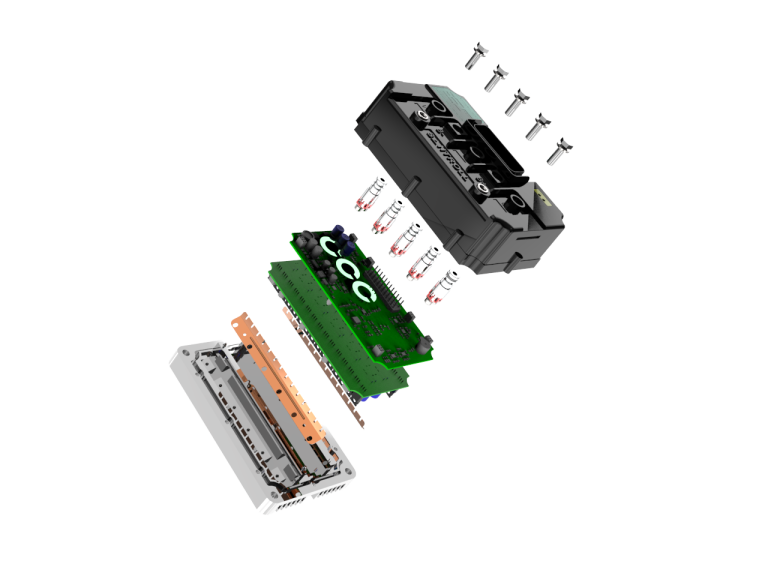
I’ll be plain: I reckon design that respects the user saves time and money. We’ll look at concrete fixes, from clearer displays to smarter fault logs. Along the way I’ll drop a few technical terms — inverter settings, PWM behaviour, and torque ripple — but I’ll keep it simple. Ready? Let’s go on to the deeper annoyances behind the scenes.
Part 2 — Hidden user pain points and why common fixes miss the mark
When I say ac motor controller, I mean the box that should make life easier — yet too often it doesn’t. From what I’ve seen, users wrestle with three quiet killers: opaque fault messages, a fiddly tuning process, and controls that assume specialist knowledge. These problems show up whether you’ve wired a sensorless drive or a full encoder loop. Field technicians tell me they waste hours guessing whether a fault is a wiring issue, a bad parameter, or simply a noisy supply. That guesswork costs time and morale.
I want to be blunt: basic remedies — like adding a longer manual or a nicer label — rarely fix the root cause. The deeper trouble lies in system assumptions. Many controllers expect ideal wiring, perfect sensors, and neat commissioning steps. Real sites? They have aged cables, transient spikes, and people who need a quick fix — not a thesis on field-oriented control. Look, it’s simpler than you think: reveal root causes in plain language, show stepwise tests, and let users replay recent events (fault history, waveform captures). Then, when something trips, the person on the floor can act fast without calling for an expert every time.
So what’s really failing users?
In short: feedback, diagnostics, and forgiving defaults. Without those, you get repeated failures and long service calls.
Part 3 — New principles and a path forward
Moving forward, I favour solutions that blend smarter firmware with sensible human-first design. For instance, modern controllers can use adaptive algorithms to tune gains and reduce torque ripple automatically. Pair that with simple guided commissioning and the need for deep manual tuning drops. When you link telemetry, simple alerts can point to power converters or sensor faults before they cascade. I’m thinking practical things here — automatic parameter sweeps, clear “next steps” notes on-screen, and short how-to clips embedded in the interface. That mix cuts learning time and cuts repeat visits.
Take brushless systems as an example. A good bldc motor controller should let a novice get basic motion quickly, then suggest safer, more efficient settings as confidence grows. In some pilots I’ve watched, that staged approach reduced setup time by about half — funny how that works, right? And when telemetry is available, teams can spot sensor drift or creeping voltage dips long before a shutdown. This isn’t magic; it’s sensible layering: core control, then assistive features, then remote insight.
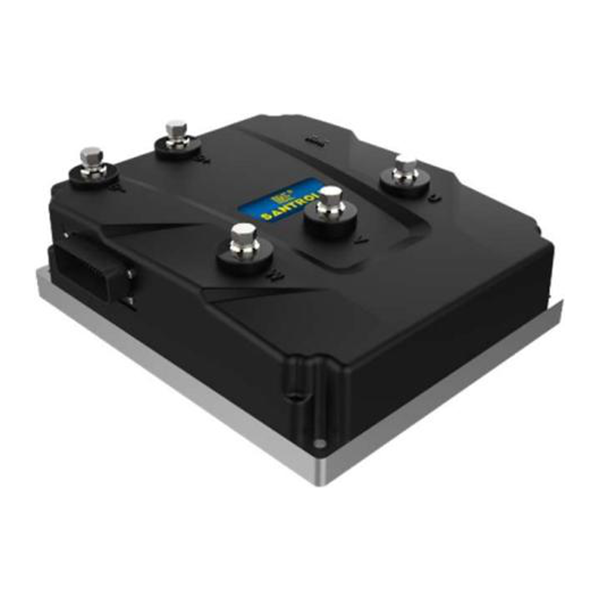
What’s Next — three metrics to choose the right solution
If you’re selecting kit, I recommend you judge options by three clear things: 1) Diagnostic clarity — does the controller explain faults in plain steps? 2) Adaptive tuning — can it auto-adjust to the real motor and load? 3) Serviceability — are logs and telemetry easy to extract for a quick remote assist? Use those metrics to compare units and you’ll avoid buying clever-but-unusable boxes.
To wrap up: I think we can make motor controllers kinder. We do that by fixing the tiny details that trip up real users — clear language, forgiving defaults, and smarter diagnostics. I’ve seen it save hours on site and calm a lot of frustrated hands. If you want a practical partner, check Santroll — they’ve been building sensible, user-aware drives that match these ideas: Santroll.