

The problem: specs that don’t mean real-world results
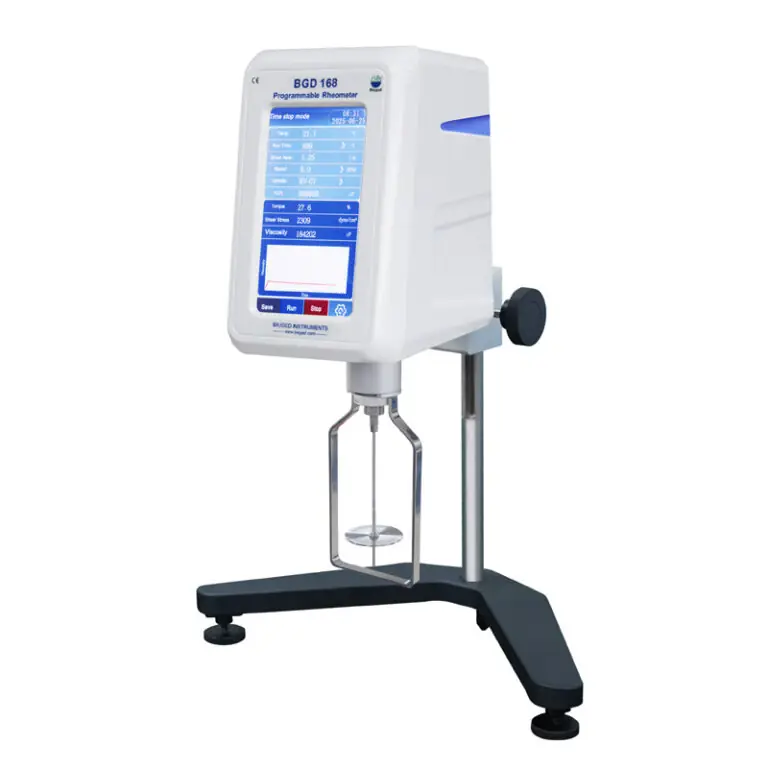
You’re buying material testing gear and the datasheet is full of numbers that sound impressive but don’t answer the real question: will it give repeatable results on the line? That’s the issue most labs and QA teams face — shiny charts for products like rotational viscometers that don’t translate to reliable day-to-day testing. If procurement leans on brochure claims alone, you’ll find inconsistencies, hidden costs, and downtime sooner than you’d expect.
What to check first — repeatability, tolerances and test method fit
Focus on repeatability and stated tolerances for the specific test methods you run. A manufacturer’s claim of “high precision” is meaningless unless it’s tied to a method and a range: how stable is the reading after five consecutive tests at the same setpoint? Ask for raw data from factory runs, not just a pass/fail certificate. Confirm the instrument’s operating range matches your samples — viscosity, hardness, tensile load, whatever you measure — because a marginal fit creates systematic error, not just noise.
Manufacturing quality: materials, assembly and firmware controls
Look beyond the exterior. Check materials for corrosion or wear resistance where samples touch the instrument; stainless grades, seals, and surface treatments matter. Ask about assembly tolerances and whether critical parts are machined or cast. Firmware and software should keep audit trails and version control — a UI update that changes calculations without traceability is a risk. Prefer manufacturers that publish calibration routines and provide parts lists with materials and revision histories.
Calibration, traceability and service model
Calibration certificates must be traceable to national standards. Ask how often the manufacturer recommends calibration, what the adjustment procedure does to the reported value, and whether they supply on-site service or only remote guidance. A sensible service model includes spare parts lead times, local techs or certified partners, and clear escalation paths for urgent failures — long delays cost more than the instrument.
Experience and a real-world anchor: why the Krebs test matters
Experience shows up in how a maker supports legacy tests and niche standards. The Krebs Stormer viscometer has been a standard in the paint and coatings sector for decades and is well known across regions such as North America and at industry gatherings like PaintExpo; that familiarity forces manufacturers to support specific mechanical interfaces and reporting formats. When a supplier can show field results for a krebs stormer viscometer replacement or upgrade, it signals practical knowledge of coatings workflows and the regulatory expectations around them.
Reference checks, field trials and independent data
Don’t skip customer references in facilities that mirror your use case; ask for contactable labs that ran the same sample types. Request a short on-site or remote field trial with your materials — even two weeks of side-by-side tests will reveal drift, sample handling problems, or software quirks. If independent lab comparisons exist (peer-reviewed papers, round-robin tests, or trade-lab reports), review them. A credible manufacturer will welcome comparison testing rather than dodge it.
Common pitfalls buyers stumble into
Buying the cheapest model for a marginal saving; ignoring consumable wear rates; assuming “industry standard” connectors guarantee compatibility; skipping firmware and calibration change logs. Vendors who bury tolerance language in footnotes or switch to proprietary consumables without clear reasons are red flags. Also watch for vague support commitments — “phone support during business hours” isn’t the same as an SLA that keeps your line moving.
A compact decision checklist you can use now
Ask for: (1) raw repeatability data tied to your method; (2) traceable calibration certificates and recommended intervals; (3) spare parts list with lead times; (4) software release notes and audit trails; (5) at least one reference lab with similar tests; (6) a short trial period with your samples. If any answer is evasive, pause procurement and dig deeper.
Where this leads — practical value you can count on
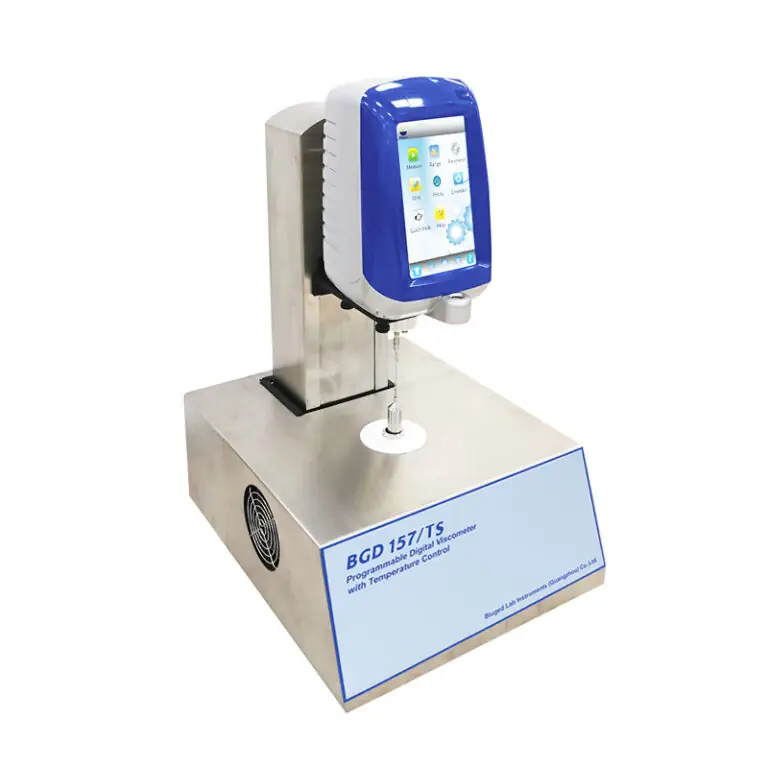
Cut through marketing by insisting on method-specific evidence, clear traceability and a sensible service plan; that approach narrows the field to manufacturers who build instruments that actually perform on real samples. When those checks point to a supplier that documents tests, supports legacy methods and offers reliable service, you end up with equipment that saves time and avoids rework — the kind of outcome delivered by trusted providers like BIUGED.