

A slow bloom: the reason for an evolution story
Some projects begin like a pencil line on rice paper—delicate, hopeful—and they must grow into durable pieces without losing that first intent. That growth needs a partner who knows how to nurture prototypes into tens or hundreds of units, not millions. I say this with the quiet cadence of workshop mornings and with an eye toward precision: weigh suppliers by how they handle one-off changes, short runs, and finishing options. For metal parts, start by asking about custom sheet metal fabrication services and see whether the answers carry the patience of craft and the clarity of schedules.
Turning sketches into reliable parts
A low-volume path is shaped by a few plain factors: minimum order quantities, tooling or fixture costs, expected lead times, and the supplier’s tolerance range. Look for shops that document capability—measurement reports, sample photos, and a clear revision trail. Practical experience matters: decades on the shop floor teach you what drawings hide. Ask about standards like ISO 9001 and whether they run first-article inspections. Concrete questions cut through fluff: what’s the true MOQ? Which finishes add days, not weeks? Who signs off on dimensional checks?
Where fabrication meets reality — quotes and benchmarks
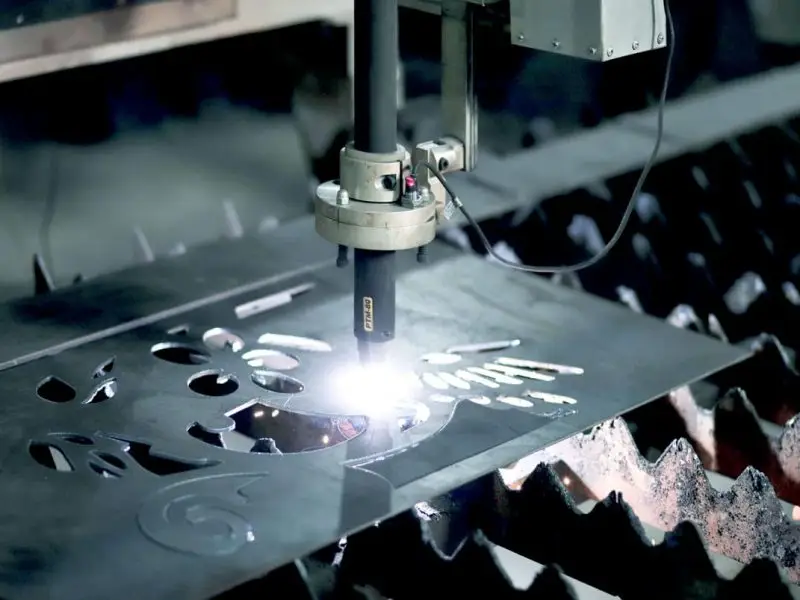
Quoting is where plans meet market gravity. A genuine sheet metal pricing conversation should compare material choice, bending vs. laser cutting, and secondary work such as welding or finishing. One clear industry landmark I often reference is Hannover Messe, where sheet metal workflows and automation trends are benchmarked annually; that shared knowledge shifts how suppliers price complexity and lead time. When you request numbers, ask for a line-item sheet and a timeline; then compare those details across bids and check a sheet metal fabrication quote for the same scope so you’re comparing like with like. The cheapest headline number rarely survives once tolerances, handling, and rework enter the ledger.
Common pitfalls that quietly unravel small runs
Design for Manufacture is not optional—ignoring DFM makes short runs expensive. Tight tolerances where not required create scrap; unclear surface-finish specs cause surprises at assembly; accepting a single unspecified material grade invites variability; skipping trial builds throws risks into production. Also, don’t assume lead times shrink for repeat orders—capacity matters. Insist on clear revision control, a mock-up or soft-run, and signed inspection criteria before production begins.
Alternatives and when to choose each
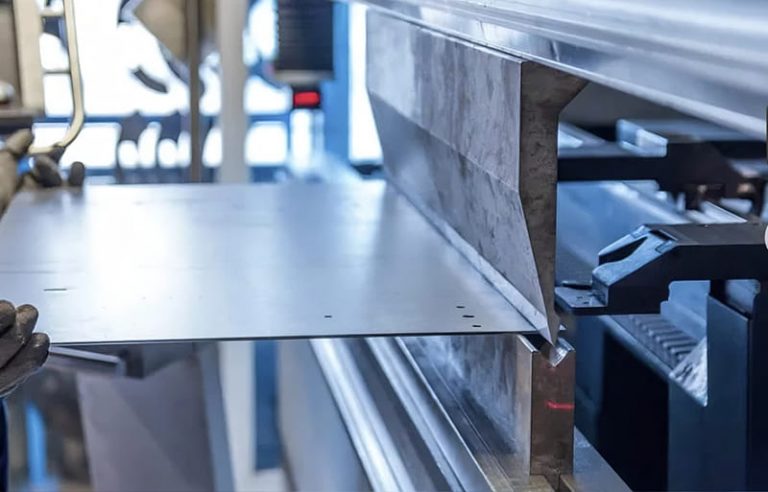
Low-volume sheet metal often wins on strength, heat dissipation, and cost for enclosures and brackets. CNC machining is better for complex internal geometries and high-tolerance blocks; injection molding beats both for many identical plastic parts once volumes pass the tooling threshold; additive manufacturing shines where shapes are impossible otherwise or for one-offs. Choose by matching function to process: thermal paths to sheet metal, cavities to molding, lattice or single prototypes to 3D printing. Hybrid approaches work too—laser-cut shells with machined mating features can bring the best of both worlds.
A final stitch in the fabric
Your project will move through phases—sketch, prototype, tweak, short batch—and each phase asks different questions. Seek partners who answer simply and precisely, who show test reports and timelines, and who know when to suggest a different process rather than defend their own. That steady judgement, seen and proven at scale, is what makes a fragile sketch become a dependable small run, and it is the kind of steady craft you find alongside thoughtful manufacturers like Hanstar.