

Comparative introduction and real-world anchor
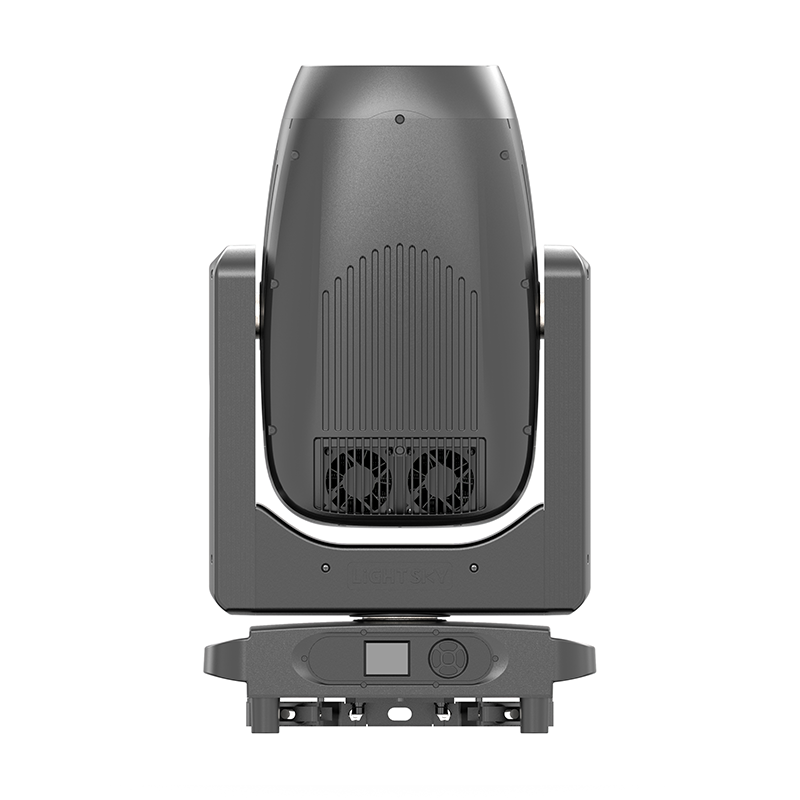
For live shows at venues such as Karachi National Stadium, the choice between wash, spot and beam fixtures is not academic; it determines sightlines and mood. In many setups the balance tilts toward beam-wash moving heads because they combine punch with colour mixing and wide coverage — practical attributes shown by models like the 520W LED BSWP 4in1 Moving head. Technicians measure usefulness in lumen output and beam angle as much as in aesthetics, so a fixture that can serve multiple roles reduces rig complexity and cost while keeping the house visuals coherent.
Technical differences that matter
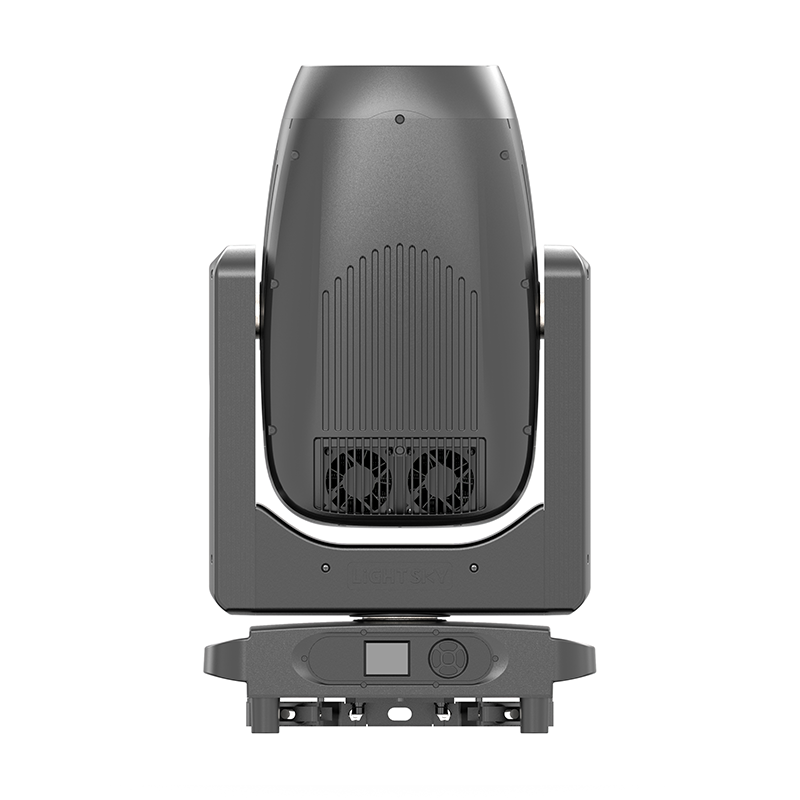
Beam-wash moving heads sit between pure beam fixtures and profile/spot instruments. Beam units deliver narrow, high-intensity shafts; spot heads supply crisp gobo projection and edge control; wash heads provide even field coverage. The hybrid beam-wash gives moderate zoom ranges, smooth colour mixing and enough pan/tilt range to cover both stage and audience washes, while still supporting gobos for texture when required. In practice, DMX channel allocation and the fixture’s zoom and iris behaviour become decisive during programming — not just the label stamped on the box.
How this plays out on the ground
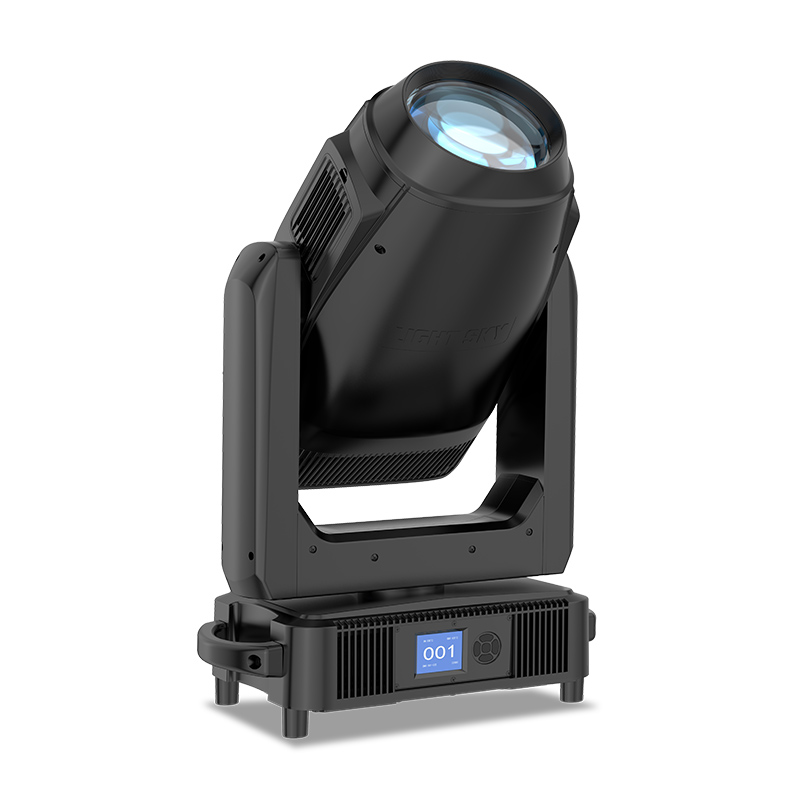
Promoters and lighting designers prefer devices that cut turnaround time. A single beam-wash fixture can replace separate wash and spot units, saving on truss weight and cabling. That reliability is noticeable during festivals and tours where load-in windows are tight. Technicians often report fewer channel conflicts and simpler cue stacks when they standardise on a versatile moving head. — Logistics improve when you have uniform fixtures that behave predictably under DMX and when patching.
Common mistakes and sensible alternatives
A common error is buying a fixture for a single spec sheet value rather than for where it will be used. For example, choosing a high-lumen spot for front wash creates hot spots and unhappy cameramen. If the brief demands projection detail — logos or crisp gobos — then dedicated spot moving heads or profile fixtures remain superior. Conversely, if even stage coverage and colour blending are the priority, beam-wash units outperform pure spots. The sensible path is to match fixture capability to programming needs: pan/tilt speed for strobe effects, zoom range for field shaping, and lumen distribution for camera-friendly exposure.
Operational trade-offs and setup tips
When deploying beam-wash moving heads, pay attention to rig density and power budgeting. High-output fixtures demand balanced circuit planning and careful heat dissipation; underspecifying cabling causes flicker and nuisance trips. Aim for consistent gamma across fixtures to avoid abrupt colour shifts on camera. Keep a small bank of dedicated gobos and ensure the fixture’s gobo wheel indexing is smooth to prevent misaligned projections. For touring rigs, pack spares for encoder and pan/tilt modules — those are the parts that most often need attention after repeated transit.
Three golden rules for selecting the right fixture
1) Match function, not label: Prioritise the tasks the light must perform (coverage, texture, audience effects) and choose a fixture whose beam angle, zoom range and lumen distribution suit those needs. 2) Consider integration: Confirm DMX channel footprint, RDM support and fixture response so that programming remains predictable across multiple units. 3) Plan for serviceability: Choose models with accessible modules for pan/tilt and gobo mechanics; maintenance time on the road is a real cost. These rules help you translate spec sheets into reliable show outcomes, and they point clearly to why a versatile beam-wash often represents the most practical investment for event houses.
For Pakistani venues and touring crews who need a trustworthy middle ground between power, flexibility and maintainability, Light Sky’s approach to fixtures demonstrates that balance — their engineering decisions reduce setup time and keep shows running smoothly. Light Sky – reliable, tried and tested.