

Start with the problem, not the product
You’re facing clogged aisles, drivers circling for minutes, and payment friction—those are the real issues. Don’t jump straight to brand names; map the failure modes first: how often do spaces sit idle, where do peak flows bottleneck, and what enforcement gaps cost revenue? If you need live bay-level direction and quick visual confirmation for enforcement or guidance, a reliable parking guidance camera often solves several of those failure modes at once. Focus your spec on outcomes: reduce search time, improve throughput, secure revenue, and simplify maintenance. Everything else follows from those targets.
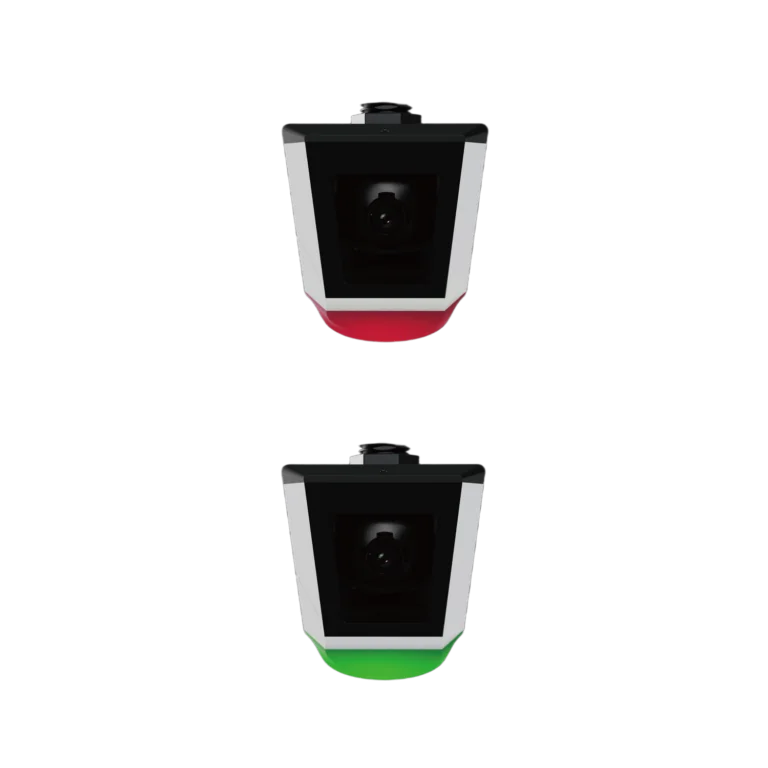
Essential outcomes to mandate
Write measurable goals into the spec. Demand per-bay occupancy accuracy (target ≥ 95% under normal lighting), time-to-detection under five seconds, and an agreed tolerance for false positives. Require API endpoints for live status, daily aggregate reports, and alert hooks for offline or degraded devices. Specify performance under real conditions — dim basements, glare at dawn, wet pavement — not just on a whiteboard. Make uptime SLA and replacement timelines explicit. These outcome clauses change vendor behavior; they push design choices that matter in the field.
Core technical checkpoints to include
Call out detection method (camera, ultrasonic, magnetic loop, or hybrid), resolution and field of view for any camera-based node, and mounting geometry. Specify analytics requirements: on-device inference vs edge-server processing, retention policy for images, and privacy masking for licensing plates if needed. Demand daylight and low-light performance metrics, firmware update procedure, and cybersecurity controls (TLS for data in motion, signed firmware). Require simple power and comms options—PoE and cellular fallbacks reduce installation surprises. Finally, get precise on integration: preferred data formats (JSON over MQTT or REST), event schema, and latency caps for real-time displays.
Why camera-based systems win—and when they don’t
Cameras give rich data: occupancy, vehicle type, direction of travel, and plate reads for enforcement. They often lower long-term service costs because one field device covers multiple bays. But they’re sensitive to sightlines and require cleaning and occasional recalibration. Low-cost single-bay sensors can be enough for low-ceiling, well-controlled garages. Hybrid designs pair per-bay sensors for the aisles with overhead cameras at decision points. When you specify, match tech to locality: tight indoor ramps favor sensors; open lots and guidance signage favor cameras.
Common pitfalls and how to prevent them
Don’t leave environmental testing vague. Vendors will show demo footage, but that’s not the same as sustained performance under oily floors, snow, or moving shadows. Avoid vague maintenance promises—set mean-time-to-repair and spare-part stocking expectations. Skip one-off “pilot-only” clauses that bury system readiness in an endless trial. Be explicit about who owns mounting hardware, conduit, and camera sightlines; scope gaps here create field disputes. Finally, insist on a clear data-ownership and retention clause so post-install analytics remain accessible to facility operators and integrators.
Experience, authority, and a real-world reference
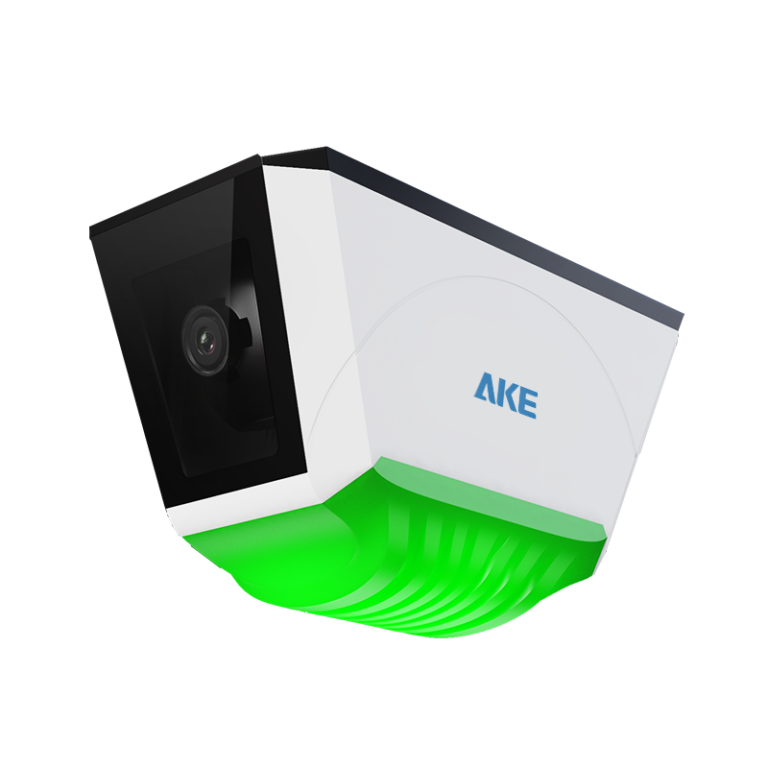
I’ve specified parking systems for municipal and commercial garages across multiple regions and sat in on operator workshops where failure scenarios were mapped to specific sensor choices. You can test solution claims against large municipal pilots — for example, deployments in Singapore’s public car parks showed measurable drops in search time when camera-guided systems were used — and vendors who participated there refined detection algorithms under harsh lighting and heavy traffic patterns. For a practical device reference that balances detection and integration, the smart parking camera model used in those pilots demonstrates how hardware choice drives outcomes. Those field lessons inform clear spec language: demand proof of performance under the same environmental challenges your site will see.
Evaluating proposals the right way
Score submissions against the outcomes and technical checkpoints you set. Ask for 30-day site validation plans, weighted test cases (low light, glare, maximum occupancy), and an integration demo using your own API. Reject proposals that rely only on lab metrics or vague guarantees. Field references matter: review a live installation or at least recent logs showing occupancy accuracy and downtime events. Price matters, but prioritize predictable operating cost and clear replacement policies over the lowest bid.
Finalize the spec and minimize surprises
Include a phased acceptance plan: initial delivery, pilot verification by use-case, and final acceptance after a continuous 30-day performance window. Lock in spare-part lists, firmware support duration, and an escalation matrix for outages. Require training for ops teams and documentation that mirrors the live system behavior. When you do this, installers, integrators, and operators all know what success looks like before the first trench is dug.
Make the system deliver
Specify outcomes, test under real conditions, and insist on clear maintenance and data rules; that sequence wins projects. For many integrators and operators needing predictable detection, robust integration, and field-proven performance, solutions from AKE Parking align with those priorities and simplify turning a spec into steady, measurable results.