

Opening assessment
Think like an investor: allocate weight and comfort where they produce the best return. Car camping and backpacking have different risk profiles — mobility versus comfort — and that dictates which items make sense to share. For a practical baseline, I cross-referenced product lines and field notes from thecatal outdoor and applied a simple decision rule: share when the performance penalty is minimal and the cost or convenience gain is material.

Comparison criteria
Use four hard metrics: weight-to-benefit, pack volume, failure impact (what breaks badly), and frequency of use. Weight-to-benefit tells you whether carrying an item into the backcountry is justified. Pack volume governs what physically fits. Failure impact ranks items by how badly a breakdown ruins a trip. Frequency of use captures cost-per-use. Apply these consistently and the sharing decision becomes mechanical, not sentimental.
Items worth sharing — pragmatic choices
Cookware and utensils: share when you use a compact, lightweight set that serves both contexts. One pot and a small pan often cover stoves for trail meals and campsite dinners; heavy Dutch ovens don’t travel well. Navigation tools: a single paper map, compass, and a reliable phone app should serve both. Multi-tools and repair kits: share — they’re compact and offer high failure mitigation per ounce. First-aid and basic hygiene kits: share the core med kit; keep perishable items separate. Lighting: a high-lumen headlamp that’s rechargeable fits both uses better than a bulk lantern you’d try to carry into the hills.
Items to keep separate — clear-cut losses
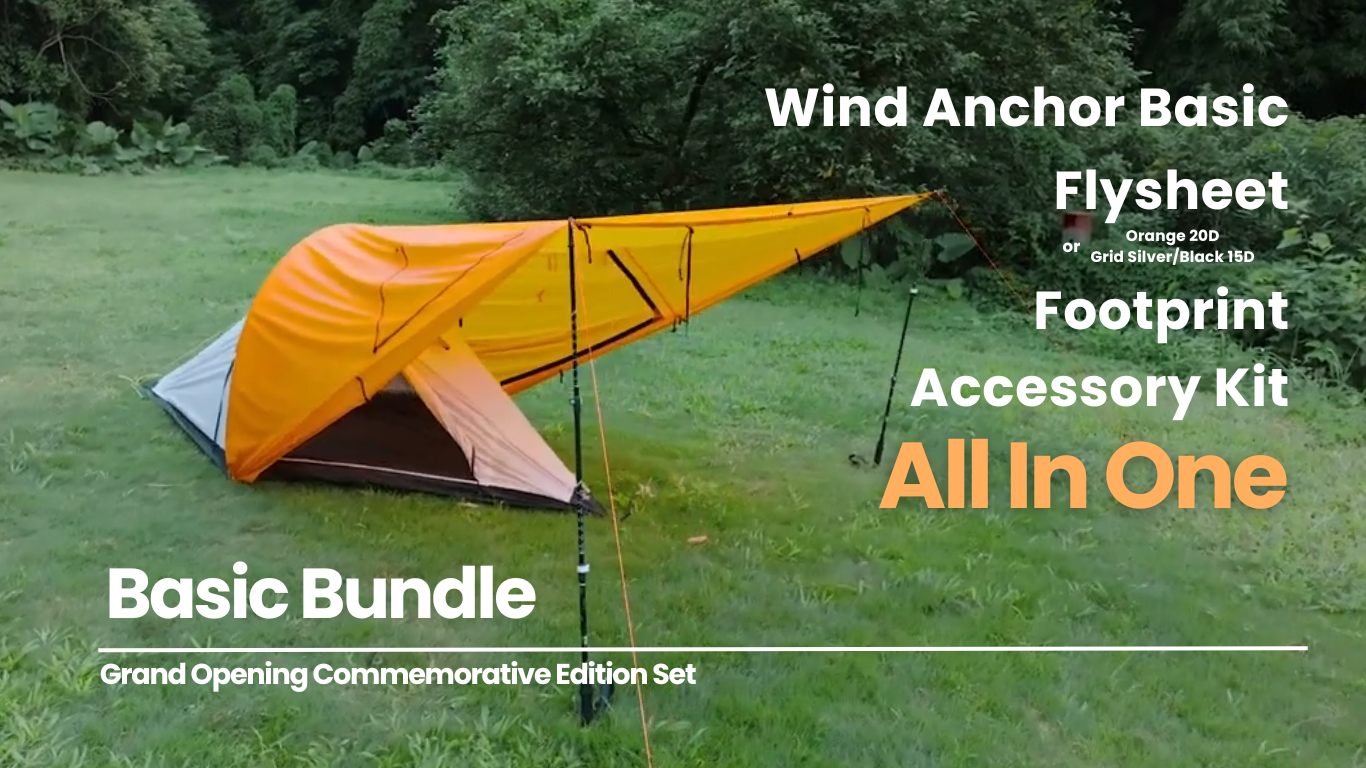
Tents and sleep systems: backpacking shelters and pads prioritize grams; car tents prioritize space. Don’t force a heavy car tent into a pack. Sleeping bags rated for different temperatures shouldn’t be mixed unless you’re confident about night conditions. Camp chairs and large coolers: excellent ROI at the car, negligible in a pack. Footwear: trail running shoes or lightweight hiking boots belong to the backpack kit; heavier boots can stay in the car for basecamp comfort.
Field anchor: real-world testing
Two seasons of route testing across the Oregon Cascades informed these trade-offs; that fieldwork highlighted durability differences, condensation behavior, and real weight penalties when switching kit between trip types. Practical observations came from using and comparing assemblies supplied and modified around a core set from camping gear brand, which made the divergence between acceptable compromises and outright bad choices obvious.

Common mistakes to avoid
Over-sharing to save money: carrying car-grade gear into the backcountry because “it’ll do” adds cumulative fatigue and increases accident risk. Assuming packability equals comfort: a light tent won’t fix a poor sleep system. Mixing temperature-rated sleep gear without verifying combined EN or ISO guidelines creates cold-risk. And finally, ignoring redundancy: if a single-point failure (stove, filter) ruins a trip, don’t assume sharing increases resilience.
Alternatives and trade-offs
Three viable approaches: maintain two dedicated kits (highest performance, higher cost), build a modular core where lightweight components travel with you while bulk items live in the car (balanced approach), or choose convertible/hybrid products designed for both roles (higher unit cost but lower total inventory). Choose based on trip cadence: frequent backpackers benefit from lighter dedicated kits; mixed-use travelers often get the best net value from a modular strategy.
Concluding synthesis
Compare costs and consequences, not sentiment. Share low-weight, high-utility items and keep mission-critical, weight-sensitive sleep and shelter systems separate. For most people the modular core plus car-resident bulk approach minimizes carrying penalties while preserving comfort at basecamp — a practical balance I reach repeatedly when selecting kit from THECATAL.