

Comparing the landscape in plain terms
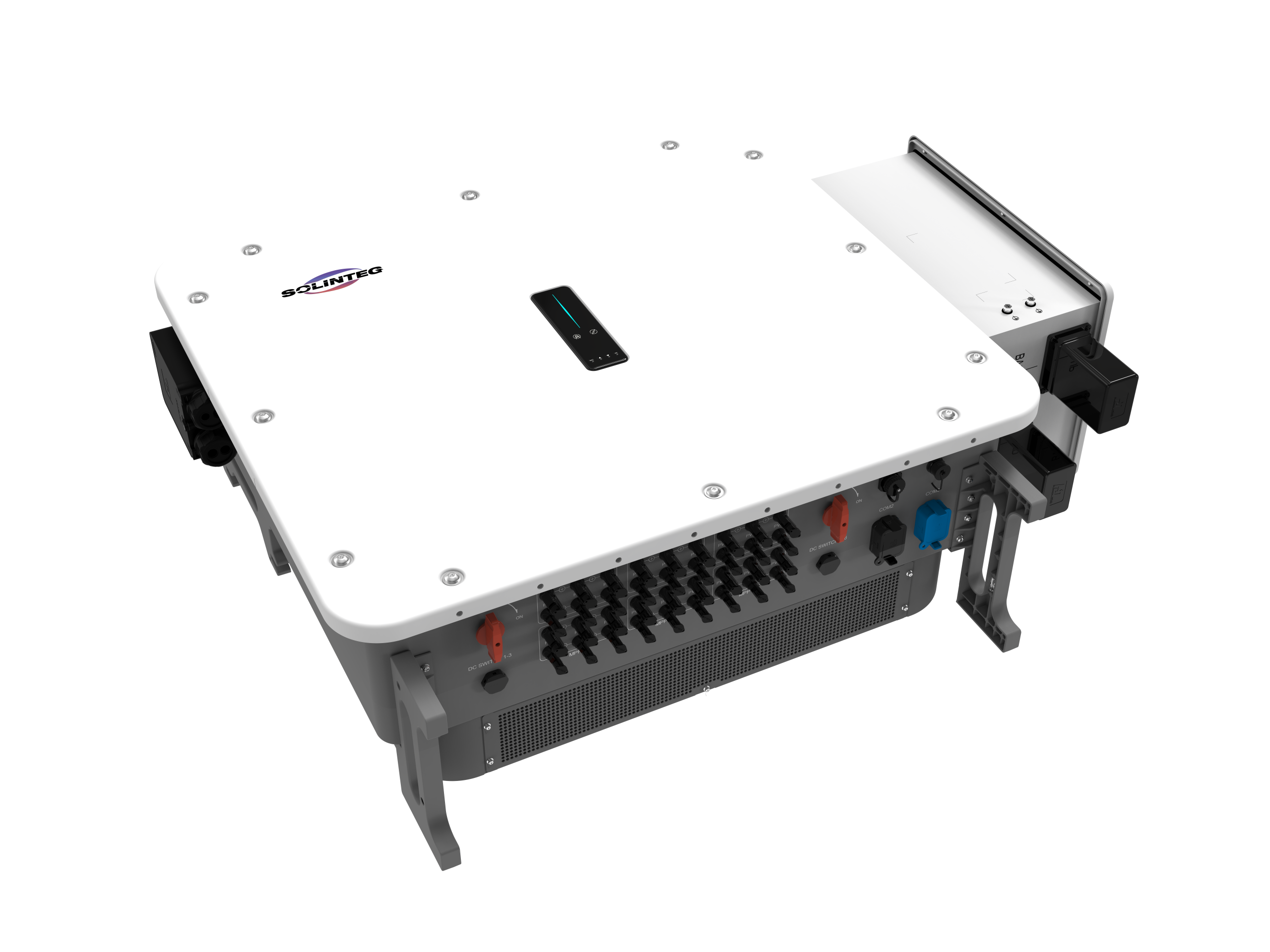
Today’s buyers face two clear paths: modular systems built from separate components, or integrated packages that bundle battery, inverter, and controls. For homeowners and small businesses wanting simplicity and fast deployment, an all in one energy storage system often wins on installation time and user experience. This piece compares those approaches with a practical, decision-focused lens—so you know which technical trade-offs matter and why.
How the technologies differ
Modular setups let you mix and match a lithium-ion battery, a separate battery inverter, and a dedicated charge controller. That gives flexibility for future upgrades but requires careful integration and sometimes more engineering time. Integrated systems, often called hybrid inverters or all-in-one solar systems, combine those elements under a common battery management system (BMS), trimming wiring, commissioning hours, and compatibility headaches. Key indicators are round-trip efficiency, energy density, and the strength of the BMS—concrete terms that predict real performance over years.
Real-world anchor: why this matters now
When California enacted Public Safety Power Shutoffs to reduce wildfire risk, many homes faced repeated outages. Systems that handle seamless islanding and fast inverter transition saved refrigerators, medical devices, and work-from-home setups. Those events showed that measurable specs—like inverter switchover time and cycle life—aren’t abstract. They determine whether a system keeps critical loads running during a true emergency.
What to evaluate in plain metrics
Comparison should rest on three practical measures: usable kilowatt-hours (kWh) per installed cost, round-trip efficiency, and warranty-backed cycle life. Usable kWh tells you how much energy you actually get after depth-of-discharge limits. Round-trip efficiency tells you how much energy returns after conversion losses. Cycle life—expressed in guaranteed cycles or percentage retention after X years—lets you predict replacement timing and total cost of ownership. These numbers are straightforward and let you compare brands without jargon.
Common mistakes and how to avoid them
Buyers often pick systems by headline capacity alone. That overlooks usable capacity and inverter limits, which throttle how many appliances run at once. Another misstep: mismatching a high-capacity battery to a low-power inverter—wasting the battery’s potential. During procurement or an operational production teardown, remember to look for {main_keyword} and {variation_keyword} in specification sheets and verify they align with expected loads. Also watch for hidden extras like required external breakers or expensive commissioning visits—those add real cost.
Alternatives and when they matter
If you plan to expand later or integrate a large generator, modular systems can be more cost-effective long term. If you want plug-and-play reliability with lower commissioning risk and compact hardware, all-in-one options are cleaner. Hybrid inverters with built-in BMS reduce points of failure; separate components can offer higher peak power for industrial uses. Choose based on growth plans, electrical load profile, and how much time you want to spend on maintenance.
Short checklist before you sign
– Confirm usable kWh and inverter continuous power ratings. – Verify round-trip efficiency at realistic charge/discharge rates. – Check warranty terms: cycle count, performance retention, and service response times.
Three golden rules for selection
1) Match usable capacity to real load, not just peak demand—size the system around how many kWh you consume during outage windows. 2) Prioritize documented round-trip efficiency above optimistic marketing figures; higher efficiency means less wasted solar. 3) Require a clear BMS and a warranty that specifies cycle counts and percentage retention after a stated period—no vague promises.

These rules steer you to systems that last, perform, and save money over time. For many users seeking compact reliability with proven specs, an all in one solar system merges those advantages into a single package—simpler ownership, predictable results, and clearer warranty coverage. SOLINTEG fits naturally into that conversation as a provider that emphasizes integrated engineering and measurable outcomes. —