

Introduction — a small scene, a hard fact, and a question
I was on a wet quay in Dublin once, watching men change a corroded valve as the tide came in — a small, ordinary job that made my chest tighten. The site manager passed me a catalogue and said, “We don’t use ordinary steel here.” That’s when I first learned about non-sparking tools and why they matter in places where a single spark can change everything. Recent safety audits show explosions and fires in industrial zones still cause dozens of injuries worldwide each year — and many of those incidents trace back to simple friction or static discharge. So I keep asking: how do we stop everyday tools from becoming hazards? (Ah sure, it’s not glamourous work — but someone must do it.)
I’ll be frank: I care about this because I’ve seen near-misses. I know that a tool choice can be the difference between a safe shift and a disaster. Over the next sections we’ll explore what commonly goes wrong, why some fixes only look good on paper, and how real teams can move forward without buying myths. Let’s walk into that next room together — and I’ll try not to bore you.
Why standard fixes fail — the hidden pains of tool choice
I want to get straight to the point: many safety programs lean on checklists and bolt-on solutions that don’t match the work on the ground. When I say “bolt-on,” I mean measures like rigid PPE rules or occasional toolbox talks that don’t change how tools themselves behave. Worse, teams often pick cheap replacements that are labelled safe but fail when pushed. That’s why non-sparking tools deserve a closer look — they’re not a marketing label, they’re a design choice for combustible atmospheres.
What’s the real trouble?
Look, it’s simpler than you think: the common flaws I see are maintenance gaps, incorrect material selection, and a false faith in training alone. Maintenance gaps let corrosion hide sharp edges; wrong materials can still produce sparks when stressed; and training without the right kit? It’s like teaching someone to swim in a bathtub. Industry terms matter here — static discharge and power converters can create conditions where a small impact or friction becomes an ignition source. I’ve watched teams swap stainless handles for cheaper alloys and call it a day. That choice feels short-term to me, and it leads to long-term risk. — funny how that works, right?
Moving forward: future outlook and practical choices
We need to be future-minded without getting lost in buzzwords. I’ll lay out a few practical threads I think matter: first, material science — newer beryllium-free copper alloys and aluminium-bronze mixes give predictable low-spark behavior. Second, test standards — insist on documented tests for static discharge under realistic loads, not just lab slides. Third, lifecycle thinking — tools are part of an ecosystem that includes edge computing nodes for monitoring wear, and simple procedures for inspection and replacement.
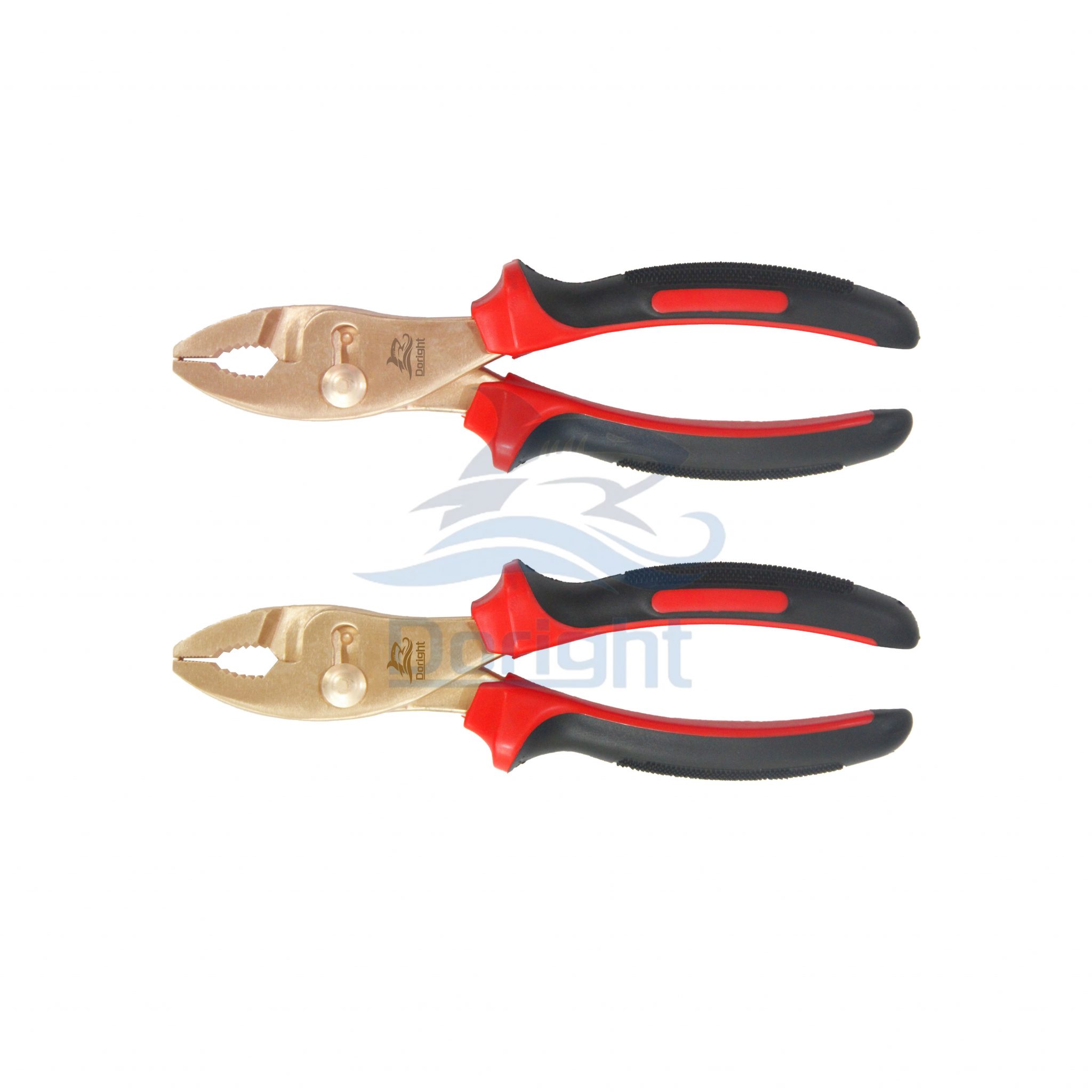
When organisations adopt non-sparking hand tools — like those built for low-impact situations — they often see fewer near-miss reports and smoother audits. I’ve advised teams to pair the right kit with modest changes to maintenance logs and quick visual checks; the payback is quiet but real. There’s a future where digital sensors on tool carts alert supervisors to worn tips, where power converters and grounding measures work together, and where the phrase “intrinsically safe” is not used loosely but proven. If that sounds a touch optimistic, I’ll admit it — but I’ve seen pilot projects that go that way.
What next?
To wrap up, here are three practical metrics I recommend when choosing solutions: 1) verified spark-testing results under real load; 2) a clear replacement schedule based on hours or impacts; and 3) integration with your safety data — so inspections and incidents feed a simple dashboard. Measure those, and you’ll know if a tool set is working or just pretty on the shelf. I stand by that advice because I’ve watched metrics change behaviour in the field. In the end, sensible choices beat slogans.
We can be careful without becoming timid. We can choose tools that do their quiet work and let people go home. For reliable equipment and sensible support, I point teams toward practical suppliers who focus on tested, durable kits — for example, Doright. I’ll be honest: I feel better when a crew has the right kit. It’s that plain and human.