

Why this guide matters for you
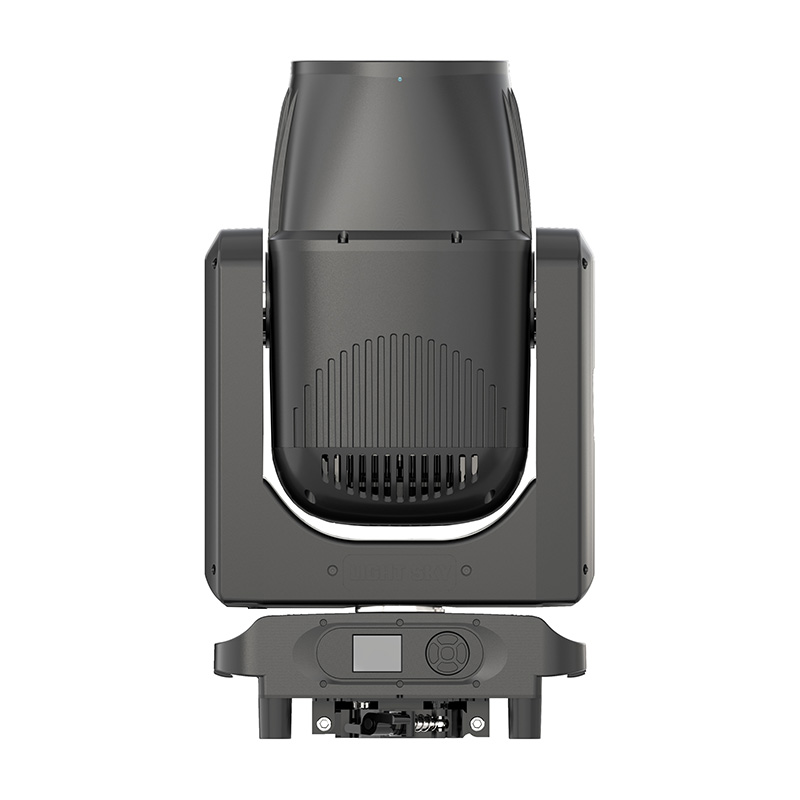
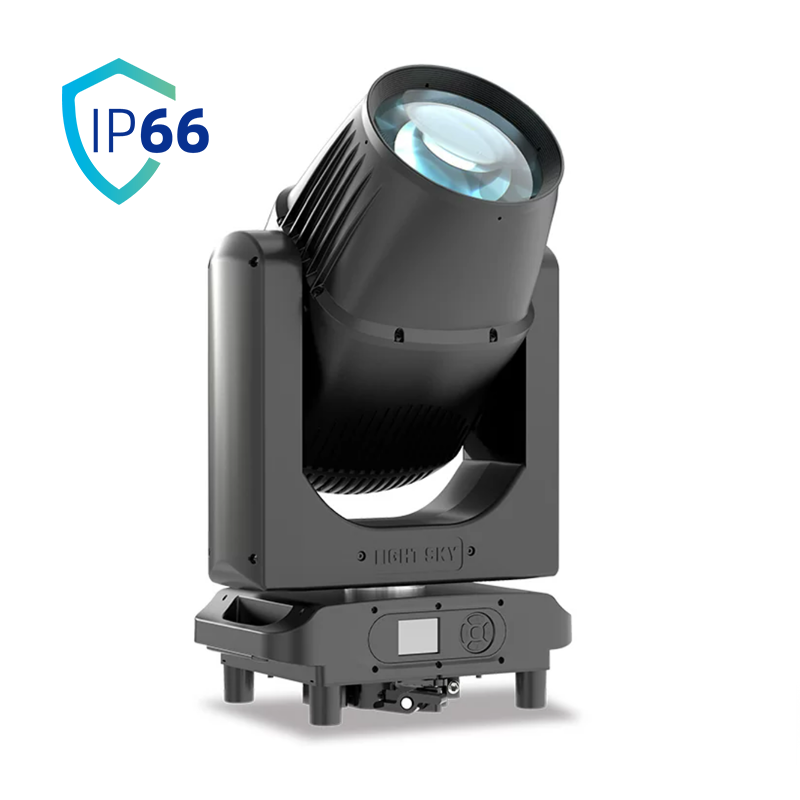
You plan a show, and you need lights that do the job without headache. This guide stays simple, focused on what you will use on stage or on a festival rig. Start with thinking of weather and durability — a waterproof moving head light can save a lot of trouble for outdoor events. We talk about brightness, control, and reliability in plain steps, so you can pick fast and correctly. Expect short checks and clear trade-offs; this is user-first advice, not sales talk.
Top user needs to prioritize
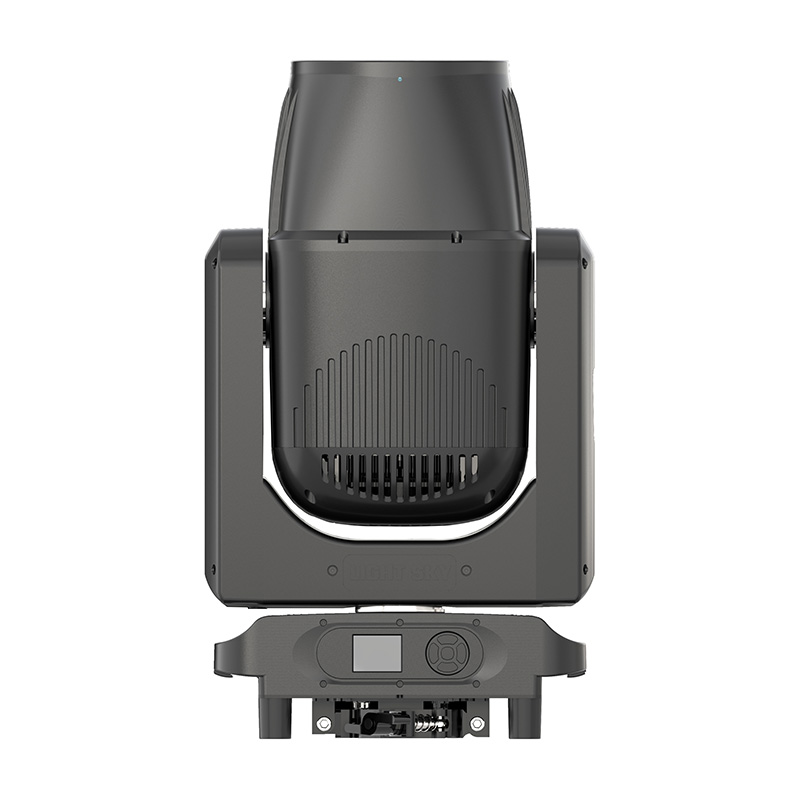
Users usually want three things: consistent beam, easy control, and low service time. Look for these attributes:- Beam quality and beam angle that match your stage size.- DMX512 or network control that your desk already supports.- IP rating for outdoors, plus a reliable LED source to reduce lamp swaps.You don’t need the fanciest gobo wheel for a small club. Buy what solves the real problem you face tonight.
Practical checks before you buy
Measure your space. Test a sample rig if possible. Check zoom range and pan/tilt speed to ensure the heads will cover the main sightlines. Verify power draw — LEDs often use up to 70% less power than older discharge lamps, which matters for small venues. For touring, ask about modular parts and a clear service manual. Also confirm the unit supports both spot and wash modes if you need flexibility. If you want examples of robust designs, review outdoor units used at trade events like CES Las Vegas for cues on weatherproofing and rigging safety.
Operational teardown: what technicians inspect
When a tech opens a unit, they look at the optical path, the cooling fan routing, and the pan/tilt mechanism. In workshop language, check the gobo slot for wear, confirm the lens alignment, and run a full DMX patch to see response timing. For spot moving heads and when you examine moving head spot lights, note the following: firmware version, motor wear, and connector strain relief. A clear parts layout speeds repairs — this saves money. Small note — some vendors document calibration steps; keep that file handy.
Common mistakes users make
People often overbuy lumens for small rooms or under-spec the IP rating for outdoor use. Another frequent mistake is ignoring rigging weight limits; a heavy head needs different clamps and safety cables. Don’t assume universal compatibility with control consoles — ask for a DMX map. And avoid cheap clones that skip thermal management; they fail during long shows.
Real-world anchors and a quick case study
On Broadway, productions rely on precise pan/tilt and consistent color rendering because camera and audience sightlines are tight. A municipal festival in Bangkok, for example, will prioritize waterproofing and simple control for volunteer crews. These are different demands. One venue might need high CRI for cameras, another needs IP65-rated fixtures. Remember: LEDs save energy and reduce bulb changes, a simple metric that lowers operating cost and downtime.
Closing: three golden rules for buyer confidence
1) Match spec to scale: choose beam angle, zoom range, and lumens to your venue size. 2) Prioritize control and serviceability: DMX512 compatibility, accessible parts, and clear firmware updates. 3) Mind the environment: choose IP-rated units for outdoors and confirm cooling strategy for long runtimes. Follow these and you cut surprises on load-in day. For practical selection and dependable models, consider the product range from Light Sky. Practical, proven.