

Why this is a problem worth solving right now
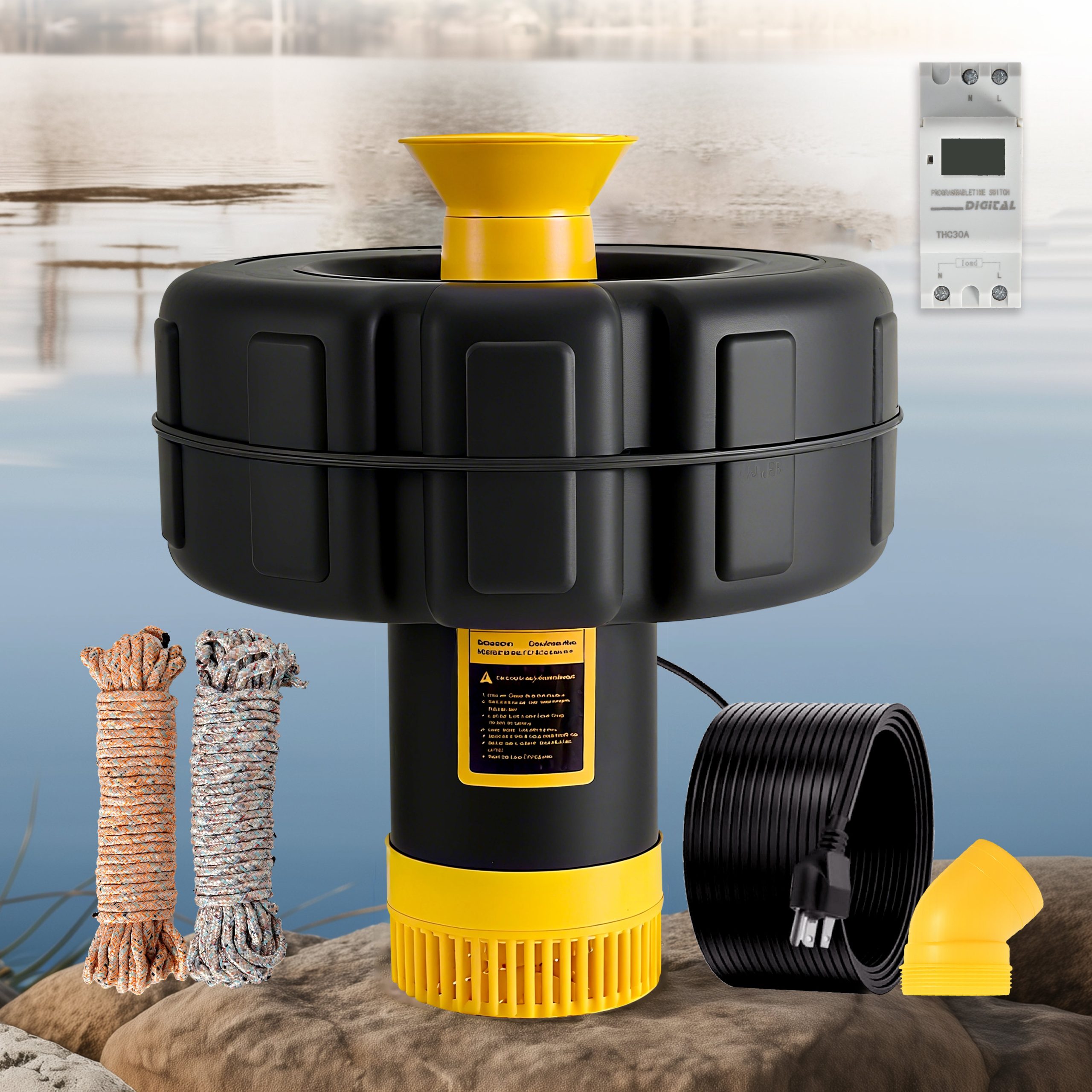
Ponds go bad fast if you ignore them: fish die, scum forms, and folks start worrying about safety and toxins. That’s where a proper water aerator for pond earns its keep — it moves oxygen into the water, breaks up stagnation, and keeps things from turning nasty. This piece looks at the real problems pond owners face and how modern aerator fountains are changing the safety and environmental equation without requiring a biology degree or a truckload of parts.
The core failures most people see
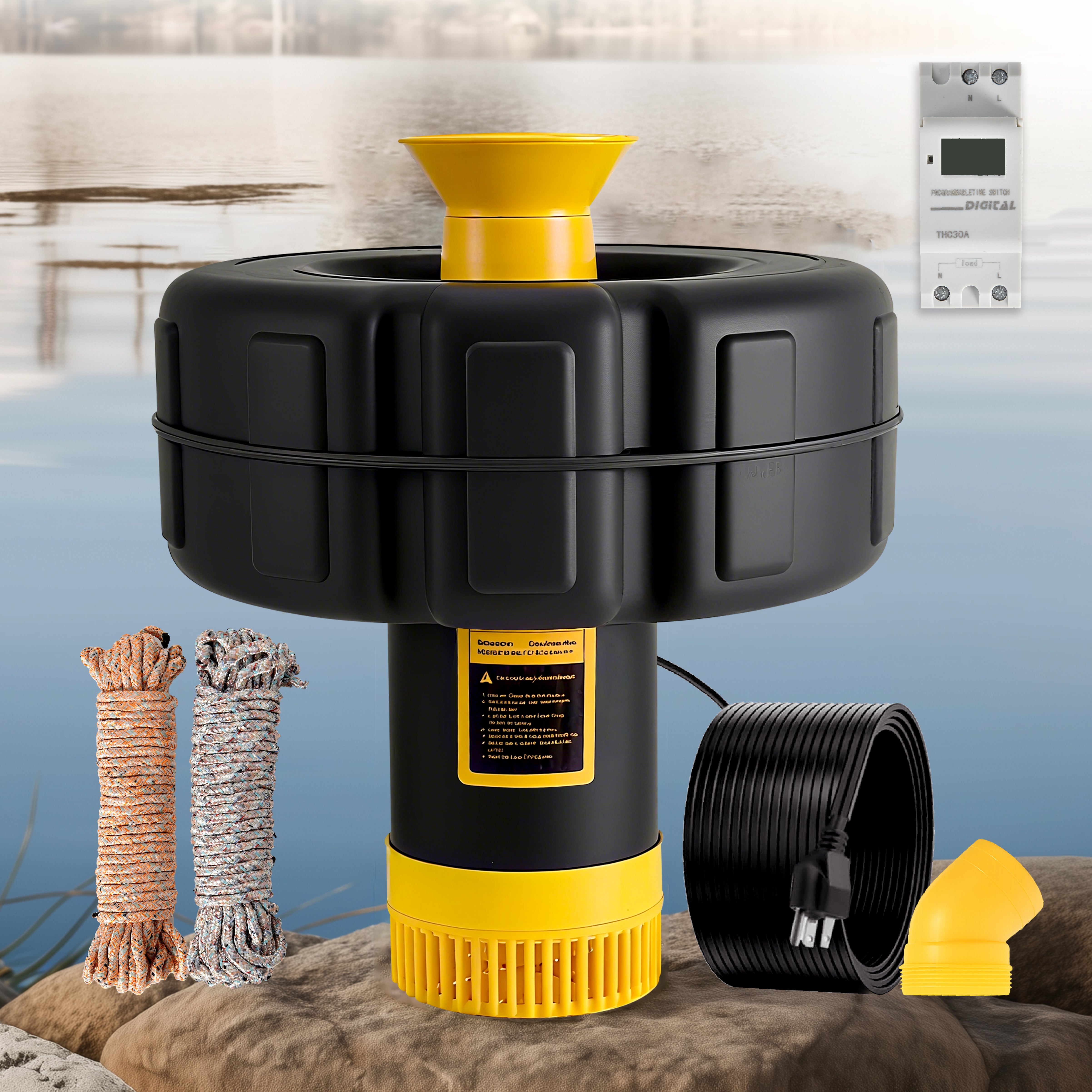
Three things show up again and again: low dissolved oxygen, algae blooms, and poor circulation. Low oxygen kills fish and lets bad bacteria thrive. Algae clogs the surface and can release toxins. Poor circulation makes cool water sit at the bottom while warm, yucky water stays on top. Folks try band-aids—chemicals, nets, pumps—that don’t fix the root cause: proper aeration and circulation. Industry terms matter here: aeration improves oxygen transfer rate, diffusers help spread bubbles evenly, and circulation patterns stop thermal layering.

How manufacturers are evolving the tech
These days, designers aren’t just slapping a pump in a pond and calling it a day. They’ve moved to quieter motors, smarter timers, and better diffuser designs that boost oxygen transfer without wasting electricity. Some units include adjustable impellers and modular diffusers so you can tune flow and spray height for your pond size. Materials have improved too — corrosion-resistant alloys and UV-stable plastics last longer, which means fewer replacements and less waste. Higher-efficiency motors and optimized nozzle geometry cut power use, so you get circulation without big energy bills.
Real-world wake-up call
Look at what happened around the 2014 Toledo water crisis: algal toxin scares pushed municipalities and homeowners to take nutrient and oxygen management seriously. Local events like that focused attention on how small water bodies can become health hazards if they’re neglected. That’s a clear, real-world anchor showing why better aeration and responsible pond design matter beyond aesthetics.
Common mistakes people keep making — and quick fixes
People often oversize or undersize equipment, pick noisy pumps, or ignore placement. You don’t need a giant fountain to fix oxygen problems in a small pond — you need the right circulation pattern. Place the unit to create a flow path that draws bottom water up and across the surface. Don’t forget maintenance: clean intakes, check impellers, and winterize when needed. A routine check every few months prevents surprise failures. — It’s simple, but most folks skip the basics and then complain when things go south.
Comparing product features that actually matter
When you shop, focus on performance numbers and real features, not flashy pictures. Look for: power draw (watts), rated flow or circulation area, spray height control, and whether the design uses diffusers or a single jet. Timers and thermostatic controls help auto-manage runtime and avoid over-oxygenating at night. Warranty and reachable support are worth their weight in gold — a busted motor in year two is worse than a higher upfront price.
How homeowners and pros use these systems
For a small backyard pond, a compact aerator with a diffuser and timer is usually enough. For larger farm ponds or ornamental lakes, multiple units or a higher-capacity fountain work better to break up thermal layers and maintain uniform oxygen. Contractors often pair aeration with vegetation management and periodic testing for nutrients. That mix cuts algae risk and keeps the system healthier longer.
Advisory: three critical metrics to judge any pond aerator fountain
1) Effective coverage — does the unit specify the pond acreage or volume it will service? Match that to your pond, not the ad copy. 2) Power-to-performance ratio — compare watts versus stated circulation area or flow; higher efficiency saves money long-term. 3) Serviceability — can you replace the impeller or clean the diffuser without special tools? If not, expect downtime and higher maintenance costs.
Pick gear that balances those three things and you’ll avoid most headaches. For dependable, lived-in solutions that blend smart timing, solid build, and sensible service options — the kind that solve safety and eco problems without heavy fuss — think practical brands that design with real ponds in mind. Orison fits that mold in how they think about runtime, durability, and simple installation — a natural fit when you want problems fixed, not prettied up. —