

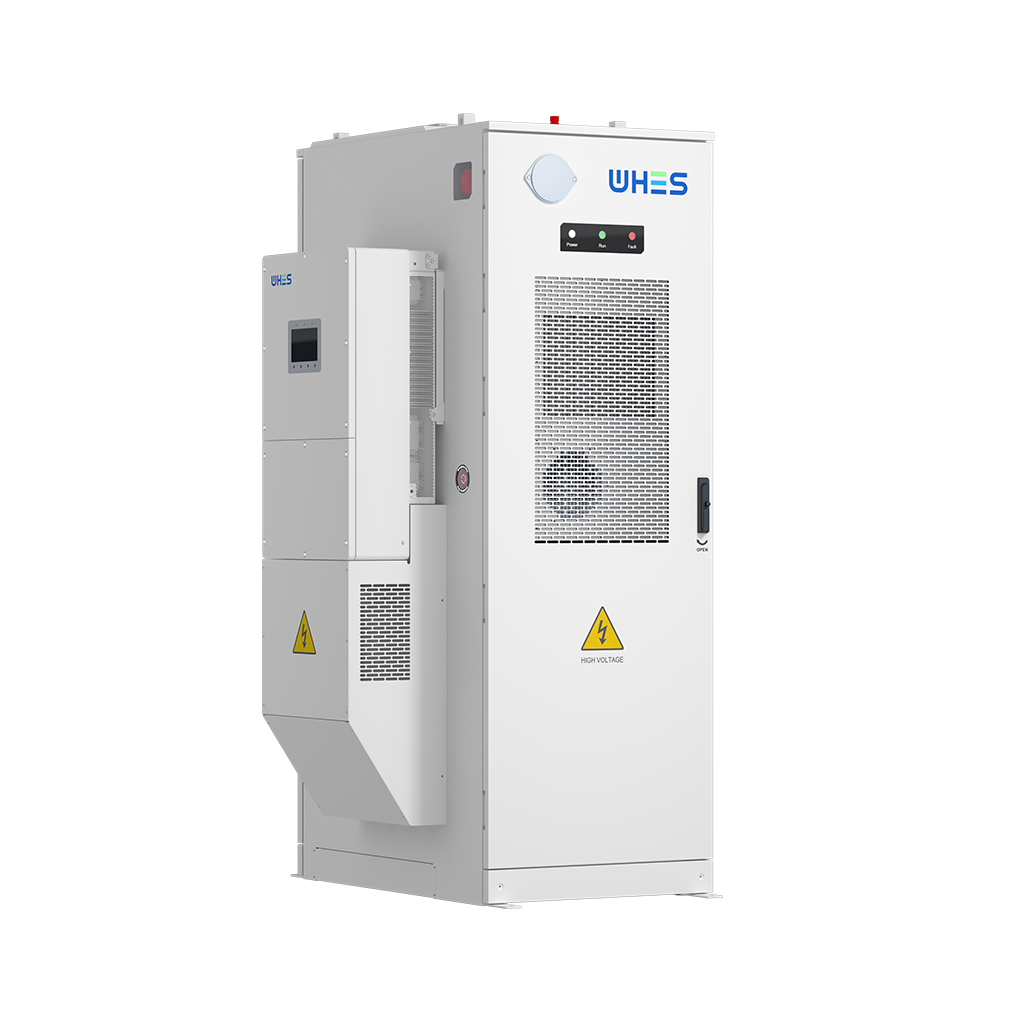
The core problem: batteries alone don’t fix home energy headaches
Most folk think buying a home battery energy storage system is the solution — plug it in, ride out outages, save on peak tariffs. Trouble is, traditional battery-storage logic treats the system like a dumb tank: charge when solar’s up, discharge when it’s dark. That approach misses the bigger challenge: matching variable household demand, dynamic tariffs and grid events in real time. From a practitioner-led perspective, grounded in South Africa’s well-known load-shedding reality, that simplicity leads to wasted cycles, suboptimal state of charge (SoC) use and missed opportunities for peak shaving and grid services.
Why this matters now — real-world pressure on homes and grids
With more homes moving to rooftop PV and many areas still facing intermittent supply, the need for smarter dispatch is real. Take South Africa’s frequent Eskom load-shedding as a real-world anchor — households and small businesses there learned the hard way that a battery’s nominal capacity is only useful if the system decides when and how to deploy it. For three-phase homes especially, balancing each phase and avoiding neutral overloads is critical — that’s where a proper 3 phase home battery setup and an energy management OS matter.
What legacy battery logic gets wrong
Legacy systems use fixed rules: charge on solar, discharge on demand, limit cycles to preserve lifetime. Sounds sensible, but this rule-based logic ignores short-term forecasts, tariff signals, and interaction with inverters or local loads. The result? Batteries cycle inefficiently, homeowners lose arbitrage value, and peak loads aren’t reduced when it counts. Also, many older systems don’t speak modern APIs or fail to integrate with distributed energy resources for coordinated load balancing — so they end up isolated rather than intelligent.
How an Energy Management OS changes the picture
An Energy Management OS treats the whole household as a control problem. Instead of fixed rules, it uses predictive models, real-time telemetry and optimization to schedule charge/discharge windows, manage inverter constraints, and provide grid services. That means better battery lifetime management, smarter peak shaving, and improved load balancing across phases. In practice this looks like adaptive dispatch that responds to weather forecasts, tariff changes, and immediate load spikes — so you keep the lights on when it matters and extract more value over time.
Where WHES’s proprietary optimization engine steps ahead
WHES’s engine goes beyond scheduling. It layers short-term forecasting, device-level telemetry and multi-objective optimization to balance resilience, cost savings and battery health. The engine factors in inverter limits, SoC targets, and local consumption patterns to produce a dispatch plan that’s both safe and profitable. It’s hardware-agnostic enough to work with common inverters and supports three-phase balancing — useful in many South African and European homes. And it learns over time, so the better your telemetry, the smarter it gets — saving you cycles and cash. —
Common implementation pitfalls to avoid
Lots of installers and owners fall into the same traps: poor load metering, assuming single-phase logic for three-phase installations, or skipping real-world commissioning with the actual inverter and loads. Another mistake is trusting generic SoC heuristics without validating them against real consumption. Practical fixes: deploy accurate per-phase metering, run sample-stage trials on your actual equipment, and insist on performance acceptance tests that include peak-shaving and outage simulations. Also check that the EMS integrates with your inverter’s firmware and supports remote updates — that’s how future improvements get delivered.
Alternatives and trade-offs
If you don’t need advanced optimization, a simple BMS and rule-based scheduler can be cheaper and quicker to deploy. For boutique setups where manual control is preferred, local-only logic without cloud forecasting may suffice. But if you want automated arbitrage, resilience under complex tariffs, or to participate in grid services, an Energy Management OS with an optimization engine is the better long-term choice. The trade-off is upfront integration effort versus ongoing operational value.
Three golden rules for choosing the right platform
1) Measure integration depth: ensure the platform supports per-phase metering, inverter APIs and has demonstrated interoperability with your hardware. 2) Demand demonstrable forecasting and dispatch outcomes: ask for case results showing improved peak shaving, cycle reduction, or tariff savings. 3) Insist on lifecycle thinking: the platform should optimize SoC for battery health, not just short-term gains.
When you follow those rules, the value of an energy management OS becomes clear — it’s the practical software layer that turns a battery into a system. For many homeowners and installers operating in grids with real reliability issues, that’s precisely the advantage delivered by WHES. Final thought — smarter control, real savings, fewer headaches. —