

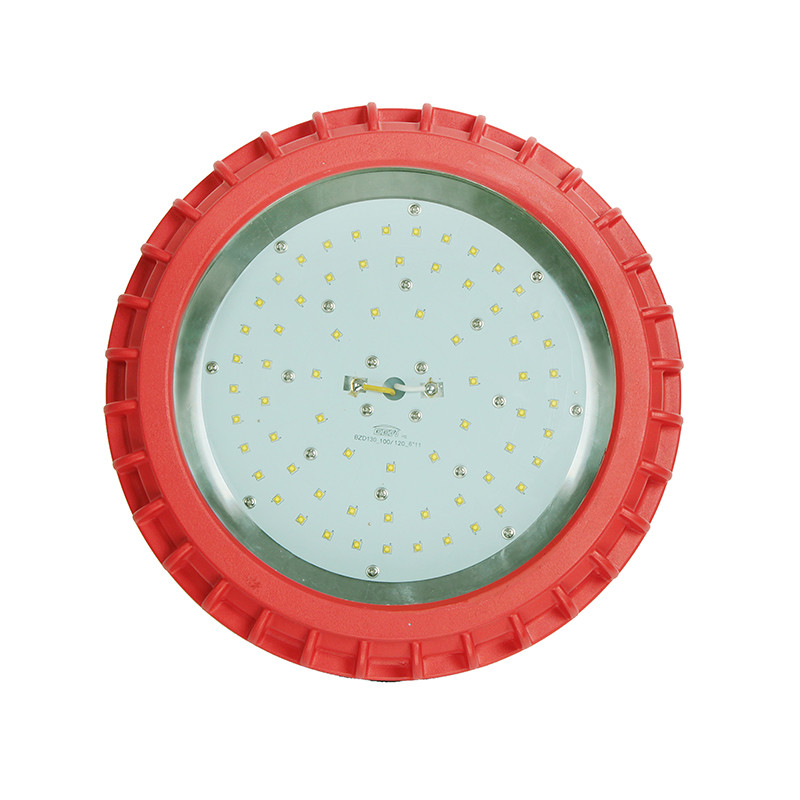
What Should Project Teams Ask Before Buying Explosion‑Proof LED Fixtures?
The core problem to solve
Projects that require special lighting face a single stubborn gap: procurement decisions are often made without tight coordination between operations, engineering, safety, procurement, and the end users. That gap turns product selection into an assumption-filled exercise. If your team is starting a specification or tender for explosion proof led lighting, the immediate task is less about catalog features and more about clarifying what each stakeholder needs and what questions remain unresolved.

Who needs to be in the room—and why
A project fails early when the wrong people sign off. Bring representatives who will live with the outcome: the site operations lead, a procurement specialist, a project engineer (to translate requirements), and a safety advisor to frame constraints. Each viewpoint exposes different procurement priorities: durability, total cost of ownership, sourcing lead times, and how the fixtures integrate into operational routines. The question to ask here is simple: who will be affected by the choice for the next decade?
High‑level questions to ask suppliers
Treat supplier conversations as clarifying interviews, not product pitches. Ask about lead times and batch availability, service and spare‑part pathways, long‑term warranty structures, and how they support documentation for project handovers. Ask them to describe how they coordinate with on‑site teams during procurement and delivery. Frame every technical topic as a question you will take back to your qualified engineer—avoid letting suppliers answer design or safety queries on your behalf.
Coordination checkpoints among stakeholders
Create a short sequence of decision gates that requires sign‑off from the right parties: procurement confirms budget and vendor terms; operations confirms maintainability and replacement strategy; engineering confirms interface expectations to be verified by a qualified professional; safety confirms that procurement will be reviewed by the designated safety authority. Each gate should produce a single list of unresolved questions to bring to the supplier or consultant.
Common procurement pitfalls to avoid
Teams often select fixtures based on price alone, copy a past specification without re‑validating, or assume a supplier’s brochure answers all practical questions. Avoid purchasing before confirming replacement‑part availability, service response times, or how changes in site operations could alter needs. When disagreements arise, document the tradeoffs and who owns the residual risk rather than leaving them implicit.
How to compare options without getting technical
Compare vendors by reproducible, project‑relevant criteria: clarity of delivery timelines, demonstrable spare‑parts strategy, responsiveness during pre‑award queries, and the robustness of contractual warranties and service commitments. Ask each vendor to provide references for similar projects and to outline how they worked with on‑site teams during procurement. Keep technical verification as a separate, documented step for your qualified engineer to assess.
Questions to put to your engineering or safety consultant
Translate technical needs into verification tasks: which performance aspects require on‑site confirmation, what documentation the consultant needs to review, and what acceptance tests should be witnessed. Phrase these items as queries for the qualified consultant to resolve so that procurement remains a procurement decision, not an engineering authorization. This keeps roles clear and accountability traceable.
Bringing the conversation together
When procurement becomes a shared, structured conversation rather than a checklist, the outcome is clearer: fewer surprises, a documented trail of decisions, and a procurement package that a qualified professional can verify. That structured clarity is what separates wishful buying from responsible procurement, and it’s the practical value a reliable partner like sunleem can provide when teams need consistent documentation, predictable delivery, and coordinated answers rather than promises.