

Operational problem: missing, delayed, and opaque asset data
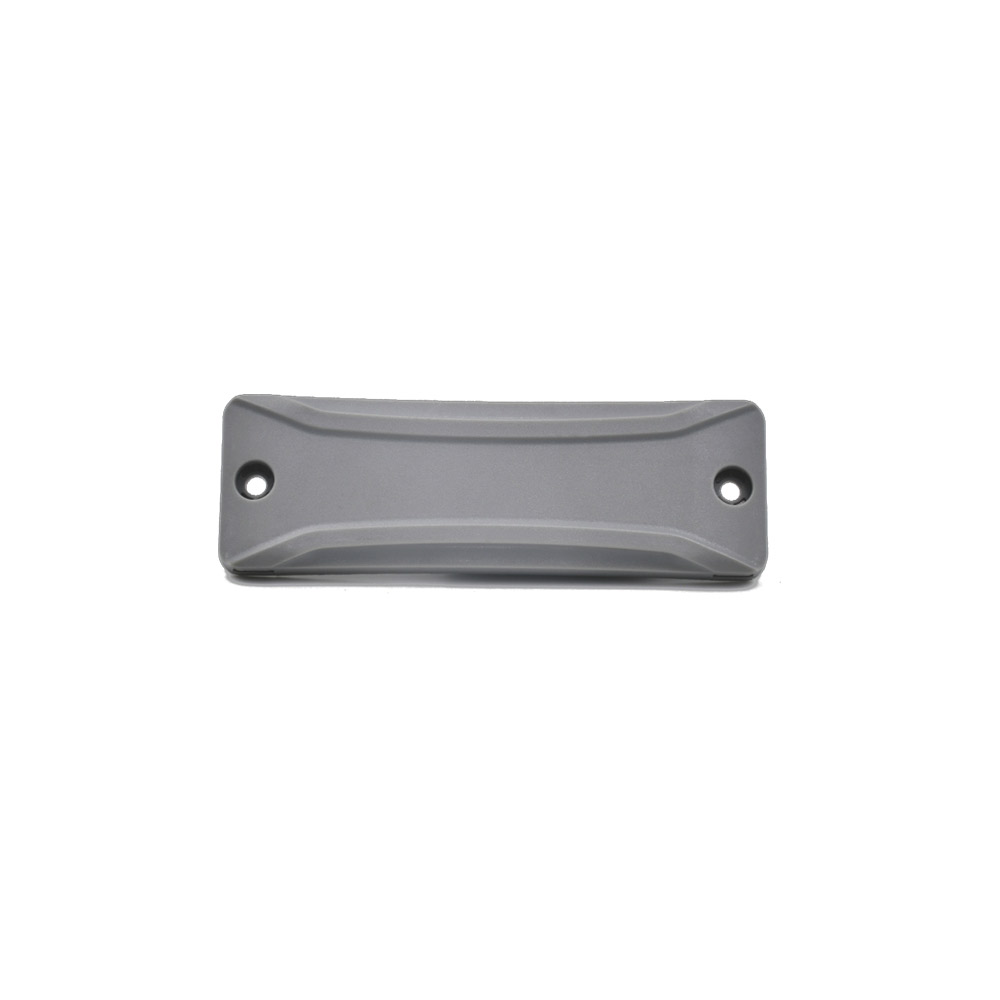
Plants and commercial facilities lose time and energy when critical assets—mobile transformers, battery packs, meters—aren’t visible where and when they’re needed. That gap raises maintenance costs, increases parasitic energy draw, and complicates safety checks. For many facilities the immediate fix is reliable tagging hardware; robust options like uhf rfid tags reduce read errors at range and under metal or moisture exposure, but picking the wrong form factor or protocol only shifts the problem.
Root causes that create persistent failures
Failures usually trace to three technical misalignments: mismatched read range vs. environment, antenna and reader placement that ignores multi-path and interference, and tag attachment that compromises the IC’s performance (for example, mounting on conductive surfaces without a spacer). Those issues play out differently across industrial energy sites; a rooftop solar inverter row has different interference than a fuel-handling yard. Treating tags as generic inventory items leads to repeated rework.
How to evaluate tags and suppliers with measurable criteria
Assess candidates against four metrics: usable read range under site conditions, attachment compatibility (metal, plastic, curved surfaces), thermal and chemical tolerance, and consistent supply-chain support. Trusted deployments at large maritime logistics hubs such as the Port of Rotterdam demonstrate the performance delta between basic passive labels and industrial UHF tags designed for harsh conditions. For procurement clarity, compare test-read distance at several angles and loads, not just datasheet peak numbers, and confirm the vendor’s traceable batch testing. For product sourcing, evaluate an established uhf rfid tag supplier by asking for site-specific test logs and lifetime warranty terms; the link below points to typical supplier offerings used in those documented deployments: uhf rfid tag supplier.
Alternatives and the common mistakes teams make
Options range from passive UHF labels (low cost, limited range) to active UHF tags (battery-assisted reads) and hybrid semi-active variants. Teams often over-spec by choosing active tags where optimized passive tags would suffice—raising cost and maintenance—or under-spec by relying on handheld-only solutions when fixed readers would capture transient assets. Another common error: neglecting reader network density planning. Too few readers create blind spots; too many cause unnecessary interference unless antennas are tuned and power levels controlled.

Implementation checklist for an energy-focused rollout
Start with a small instrumented pilot that mimics worst-case conditions: metal mounts, high humidity, reflective structures, and peak RF noise periods. Measure read rates, false-negatives, and battery life (for active tags). Specify attachment methods (rivet, adhesive + spacer, encapsulation) and document maintenance cycles. Integrate tag IDs with existing SCADA or asset-management systems via a middleware layer that timestamps and geolocates reads. Capture lessons in a simple decision matrix: environment → tag family → reader type → antenna placement → test results.
Final synthesis and practical value
Addressing visibility problems means aligning tag physics with the site’s energy and environmental constraints, then validating with focused tests. The right choice limits unnecessary service visits, reduces idle energy draws, and makes scheduled maintenance predictable. For many commercial and industrial energy operations the technical and logistic clarity that comes from this approach points naturally to suppliers who can demonstrate site-proven performance and documentation; that practical alignment is what RSTC brings to system-level deployments.