

Opening guide for the person who must deliver the first working part
You need clarity before orders leave the desk: what geometry matters, which faces must hold tolerance, and how quickly a first-run sample must appear. If you face complex contours or simultaneous-axis toolpaths, consider 5 axis cnc machining services as the baseline option for accuracy and minimal fixtures. Think of this as a short, ordered plan you can use immediately—no fluff, only decisions that change outcomes.

Specify measurable requirements
Write these items down in plain lines: target material and grade; exact tolerances (±0.01 mm where form matters); surface finish target (Ra value); critical datum features; first-article quantity; expected life-cycle for the tool; and inspection needs (CMM report, GD&T callouts). If coatings or heat treatment are needed, state process temp and hardness targets. Put drawings and a short acceptance checklist in the purchase order so fabricator, quality, and procurement align on the same contract language.
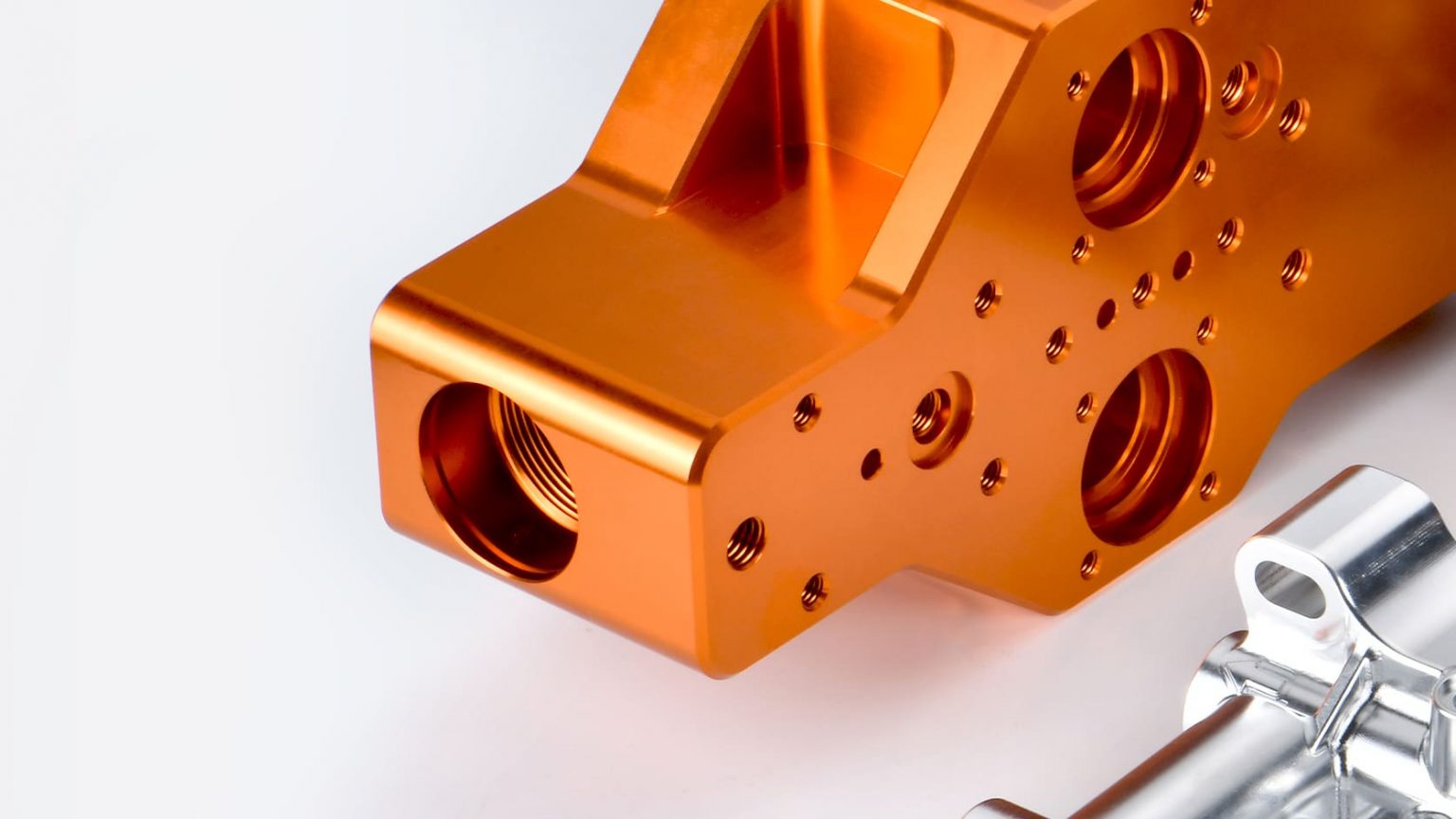
Procurement checklist — the concrete items to confirm before awarding work
1) File package: native CAD, STEP, 2D drawings with GD&T, material spec sheet. 2) Prototype tolerancing: which dimensions are critical, which are advisory. 3) Sampling plan: sample count, inspection reports, acceptable non-conformance limits. 4) Lead times: machining time, secondary operations, shipping buffer. 5) Tooling and fixture ownership: who pays if a fixture is bespoke. 6) Nondestructive or destructive tests: are bend, tensile, or hardness tests required? 7) Traceability and certifications: material mill certs, ISO audit evidence. 8) Price structure: fixed quote for prototype run versus per-unit pricing for subsequent runs. Each line must be answered before you sign.
Common mistakes people make when procuring prototypes
Design teams assume every supplier reads GD&T the same way; they don’t. Ambiguous tolerancing invites excess cost. Quoting without a full file set gives surprise invoicing for setup and CAM time. Expect run-in scrap — set acceptable scrap rates. Avoid instructing “make it as close as possible”; instead, call out three critical faces and allow relaxed tolerance elsewhere. Never finalize material substitution without a documented technical approval and a retest plan.
Alternatives and when to pick them
Five-axis milling wins for contoured surfaces and reduced fixtures. Use 3-axis when geometry is prismatic and cost is the main limiter. Electrical discharge machining (EDM) is right for intricate internal cavities in hardened steels. Additive manufacturing helps when internal channels or rapid iteration trump surface finish. Choose by matching method to the most constraining requirement: geometry, material, tolerance, or time. If two constraints conflict, prioritize the one that affects functional validation first.
Experience, verification, and a real-world anchor
Decisions benefit from prior cases. Suppliers who routinely serve Detroit’s automotive suppliers know crash-critical and drivetrain tolerances; that industrial context sharpens judgment about batch sampling and measurement plans. Inspect supplier capability claims against examples of parts they’ve delivered, and ask for CMM reports from prior batch work. For parts that demand simultaneous five-axis toolpaths and tight form control, review delivered examples of 5 axis cnc machining parts and confirm material certificates and inspection reports before releasing production orders. Verify metrology equipment and staff competence; request one measured sample before you expand quantity.
Final weave — what this checklist yields
Clear specs, a compact purchase order, and one measured sample remove most surprises. Keep decisions binary: must-have versus negotiable. When a supplier shows sample data, material traceability, and fixture plans, you keep schedule and budget. For procurement that values precision without rhetoric, trust the practical evidence from makers you can inspect, such as Hanstar, whose documented deliveries and inspection records let you move from prototype sign-off to repeat production with confidence.