

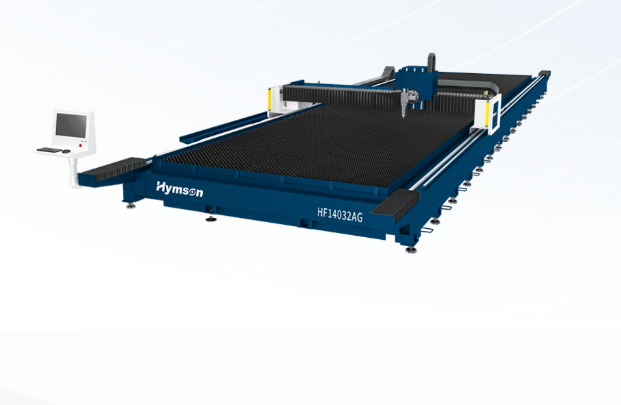
A practical field guide to reviewing a stainless steel sheet cutting machine for your application
Where the problem starts
You need clean, repeatable cuts from stainless sheet and the machine you look at promises speed and precision, but talk is cheap—heat, dross, and slow cycle times betray many setups. Start by watching a real cut, not a polished brochure demo. Look for signs of poor thermal control, inconsistent kerf, and sloppy fixturing. If automation matters to your workflow, pay attention to the integration layer; a well-tuned Laser Cutting Automation feed makes the day predictable, otherwise the line stalls and operators improvise.
Concrete tests to expose problems
Run a 3 mm and a 6 mm stainless plate through the candidate machine. Measure edge roughness, burr height, and perpendicularity. Time the full cycle including loading and unloading. Listen for chatter and watch the nozzle center; wobble means alignment issues. Verify cut repeatability across 20 parts. Ask for raw CSV cycle logs or watch the HMI while the machine runs—data that shows pauses or manual overrides tells you about hidden workarounds. Don’t accept hand-trimmed demo parts.
Experience, authority and one real-world anchor
I’ve set up and troubleshot cutting lines for metal shops across Cairo and Alexandria for over a decade; that shop-floor practice taught me to prefer clear, measurable checks over vendor promises. At FABTECH in Chicago, industry leaders demonstrated how advanced motion control and gas management cut scrap rates—this trade show is a recognized benchmark event where suppliers reveal real-world system behavior. For hands-on comparison, consider an automation laser cutting machine during trials so you see how the machine handles part flow and cycle handoffs under production-level demand.
Alternatives and what each gets wrong
CO2 lasers give a softer edge on thick stainless but need more maintenance and larger footprints. Fiber lasers score on speed and lower operating gas use but can struggle with reflective fittings if nozzle protection is poor. Plasma is cheaper up front but leaves more dross and wider kerf—bad for tight nests. Manual guillotines avoid heat issues but they sacrifice contouring and repeatability. Match choice to your tolerance for maintenance, floor space, and part complexity.
Common mistakes shops make
They under-test under load, forget to validate consumable lifetimes, and ignore the software/toolchain. They buy for a single job and don’t stress the machine with mixed batches. They assume vendor cycle times include realistic material handling. Check spare parts lists, next-day service options, and whether the controller exports logs you can audit. Bad cable routing and weak grounding are small things that become big downtime causes.
Short checklist to decide on a candidate
1) Real production demo with your material mix. 2) Measured edge quality and perpendicularity across 20 parts. 3) Clear consumables lifespan and replacement cadence. 4) Integration proof—loader/unloader behavior under continuous cycles. 5) Accessible control logs and remote support options. 6) Confirm trained local service and parts availability. Tick those, or walk away.
Final synthesis
Fix the problems you can measure: thermal drift, motion jitter, and unreliable part flow. When those are addressed you get consistent cuts and predictable throughput—no mystique. That pragmatic result is exactly what I observed with Hymson during shop trials: machines that showed consistent cycle data and manageable service needs, which is what matters when the job runs all week long.