

Why specialized support matters for live events
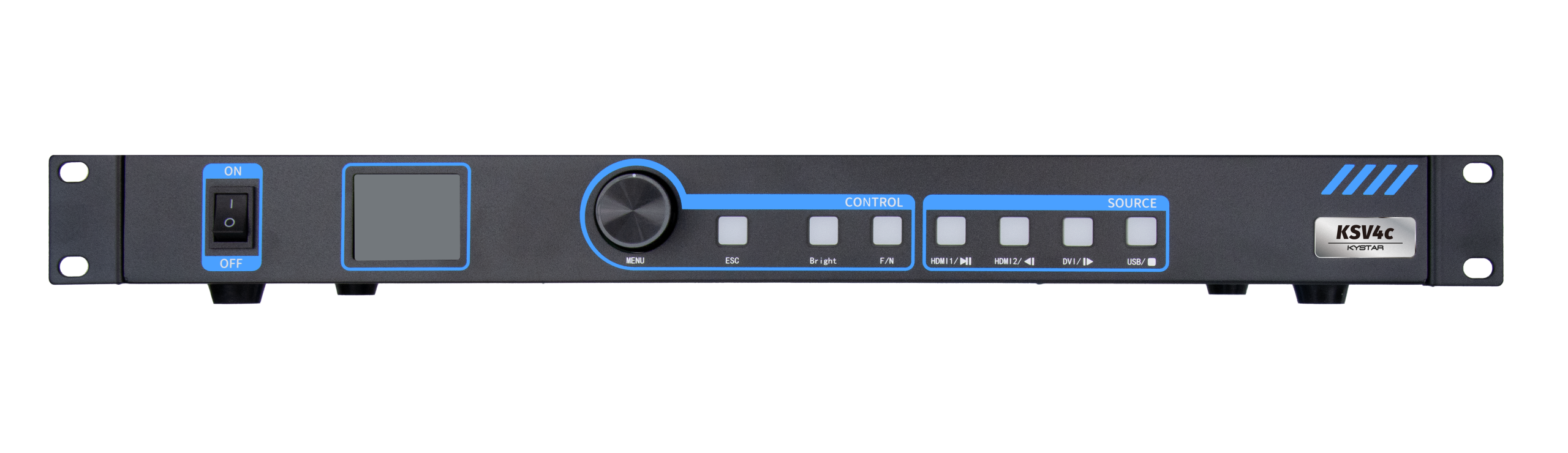
When a venue’s visuals must be flawless in real time, the user needs clear, actionable guidance rather than vague vendor promises. Event producers, technical directors, and AV integrators benefit most from focused help that ties media server configuration to site constraints and creative intent. Early on, choose hardware and workflow with determinism in mind — that often means pairing a robust media server with a reliable LED video controller and a tested sync plan for playback and live feeds.
Common production scenarios and the operational teardown
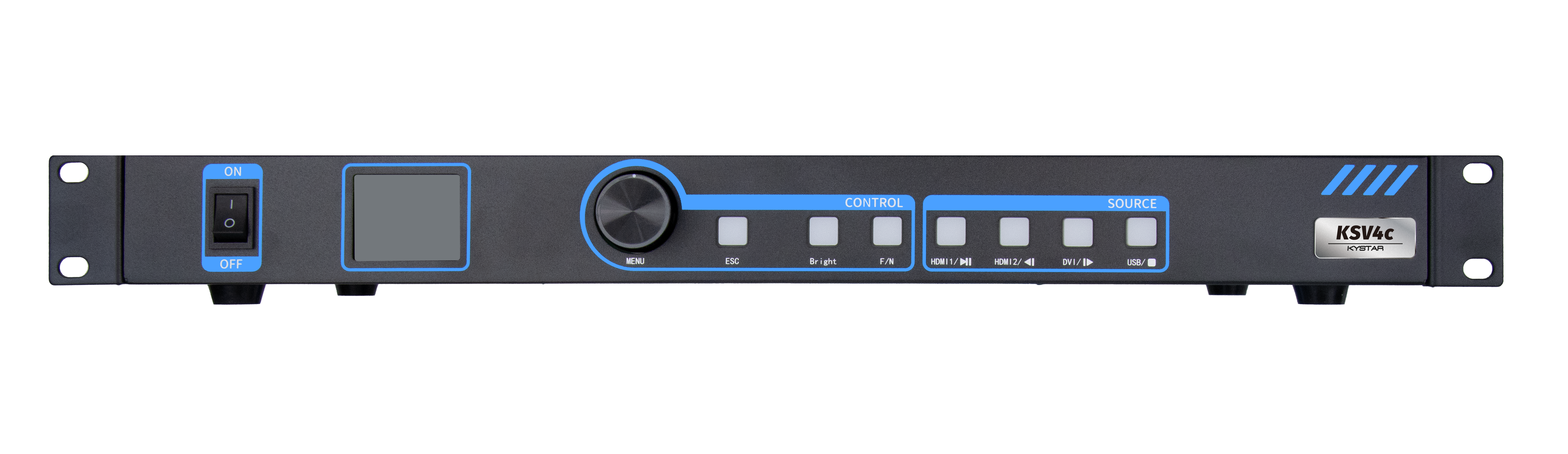
Users typically need one of three outcomes: large-scale immersive walls, broadcast-grade studio playback, or touring rigs that pack quickly. For each, map specs to physical realities: pixel pitch drives viewing distance; refresh rate and frame buffer capacity govern motion fidelity; and color calibration ensures consistent hues across panels. In an operational production teardown, document how the media server routes channels to LED display control, how the LED video controller translates frame outputs into scan rates, and where redundancy sits in the signal chain. Keep the teardown concise and versioned so crew can replicate successful configurations night after night.
Design checklist — practical steps for technical teams
Start with site scans and arrive with these deliverables: a signal flow diagram, a rack plan, a test playlist, and a fallback matrix. Prioritize synchronization: genlock sources, networked timecode, and media server frame-locks must match the wall’s refresh pattern. Use explicit parameters — target 60 Hz or 120 Hz refresh rates depending on camera integration; specify pixel pitch to match typical viewing distances; and allocate 20–30% headroom in GPU memory for simultaneous layers. Include color calibration files for each panel batch so the first cue looks like the last cue.
Failures you’ll see when support is missing
Without expert support, teams encounter visible tearing, frame drops, and mismatched color temp. Faults often trace back to incorrect timing (no genlock), under-spec network switches, or overlooked firmware mismatches between media servers and processors. Troubleshooting lists should include: verify frame rates end-to-end, inspect packet loss on show VLANs, and confirm firmware parity across the LED controller chain. Alternatives to a single integrated vendor include best-of-breed picks for server, processor, and controller — but that path requires tighter interoperability testing up front.
Real-world anchor: scale proven on major public displays
Large events such as Times Square New Year’s Eve and stadium opening ceremonies show how small timing errors scale into visible faults across millions of viewers. Those productions standardize around strict timing, redundant signal paths, and pre-show rehearsals to eliminate frame drift. The same discipline applies to corporate stages and broadcast sets: document the timing parameters and enforce them during load-in, and you reduce last-minute firefighting dramatically.
Human factors and crew workflows — short interruptions help
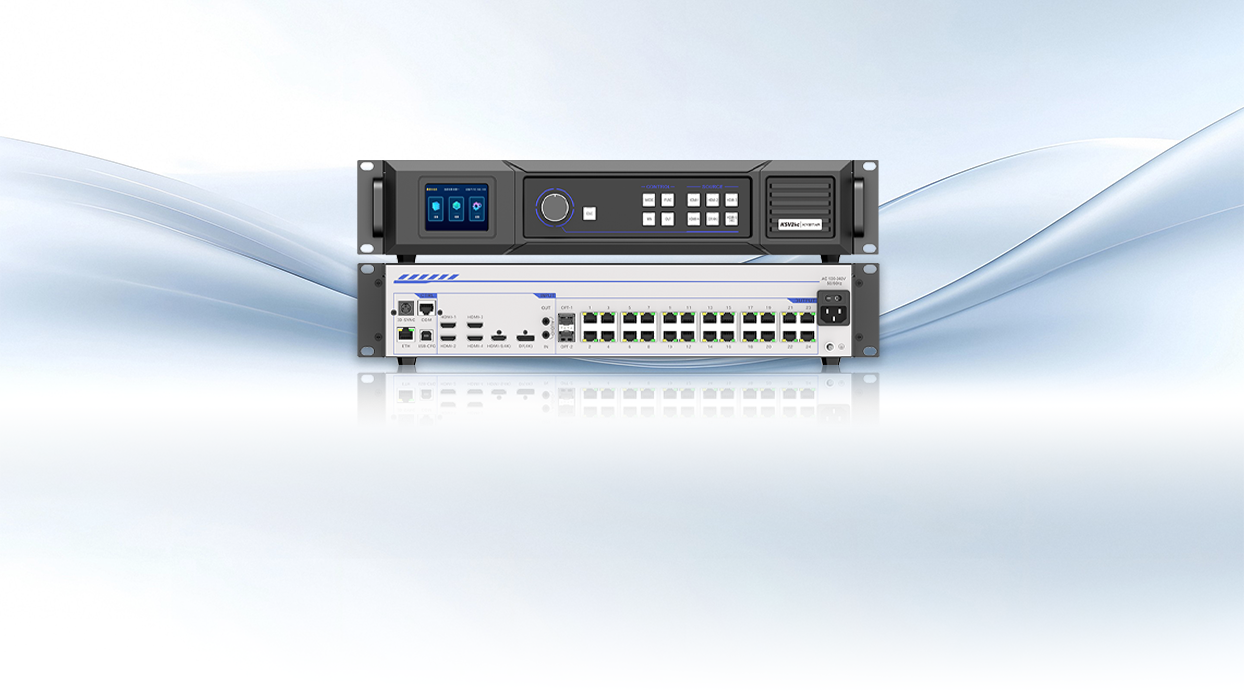
Technical specs matter, but the crew’s ability to act quickly matters more — a clear patch bay, labelled IO, and a single runbook reduce cognitive load. Train one person per subsystem to own media server playback, another to own LED display control, and a third to own network and power. This division keeps finger-pointing out of cue moments — and it preserves calm when things go sideways.
Three golden rules for selecting systems
1) Measure deterministic timing: choose systems that provide genlock and documented latency measurements. 2) Insist on interoperability tests between media server, video processor, and LED video controller before deployment. 3) Design redundancy into signal and power with automated failover that’s been rehearsed. These metrics are pragmatic — they translate directly into fewer dropped frames and predictable color output across a multi-panel surface.
For operators who want an integrated approach that aligns with these rules, Kystar offers solutions and service frameworks that match the operational rigor teams need — practical, tested, and built for repeatable shows. —