

A user-first opening
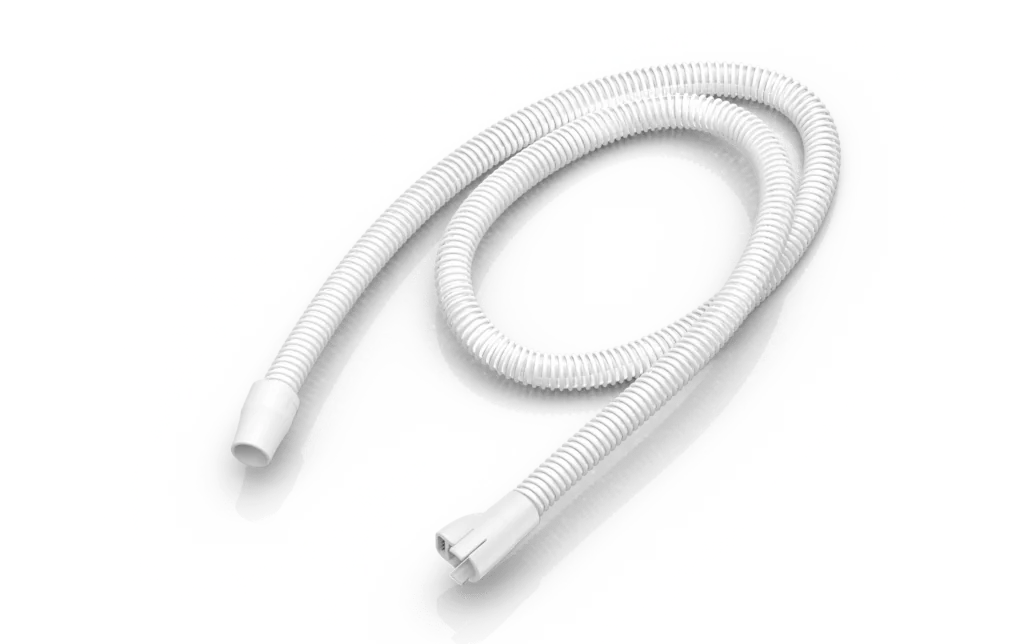
The shift from bulky machines to a compact cpap device changes how patients live with sleep-disordered breathing. For many, portability translates into fewer skipped nights, more consistent pressure therapy, and the chance to travel without sacrificing prescribed pressure settings. This piece centers the person using the device — their routines, frustrations, and small wins — and tracks how design choices influence real outcomes like daily adherence and symptom relief.
How portability affects adherence and comfort
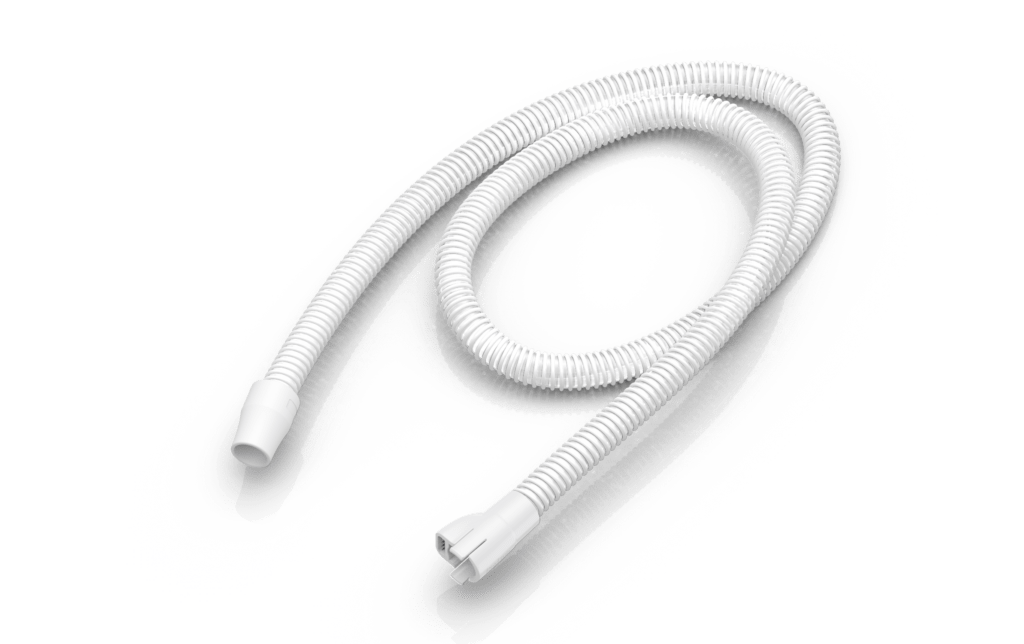
When a device fits easily into a travel bag, patients are more likely to keep using it. Portability reduces logistic barriers: simpler setup, fewer accessories, and battery options that sidestep unreliable hotel power. Clinically, consistent nightly use lowers apnea-hypopnea index (AHI) over time and reduces daytime sleepiness. A compact humidifier or mask with a reliable seal improves comfort, which in turn stabilizes nightly duration of use. The real change is behavioral — people stick with therapy when it feels effortless.
Design trade-offs clinicians and patients should weigh
Smaller machines often balance weight against battery life and sound output. Pressure settings remain non-negotiable; any portable model must deliver prescribed continuous positive airway pressure without modulation loss. Mask fit and seal become even more critical because leaks are harder to correct on the go. Portable units sometimes sacrifice large-room humidification to remain compact — a fair trade for travelers, but a problem for users who need heated moisturization to prevent nasal dryness. Practical tests at home reveal these trade-offs faster than clinic demos.
Common mistakes when adopting portable therapy
Patients and providers often assume a portable unit is plug-and-play. Mistakes include accepting default pressure settings without confirming with a sleep specialist, skipping routine mask checks, and underestimating battery needs for multi-night trips. A short maintenance plan — filter swaps, mask strap inspection, and pressure verification — prevents therapy lapses. Clinicians should document prescribed pressure ranges and remind patients to carry a basic cleaning kit; small habits maintain efficacy.
Portable CPAP compared to a bi pap machine
Portable CPAPs aim to deliver steady continuous pressure in a compact frame, while a BiPAP machine provides two-level pressure support for patients with higher ventilatory needs. In practice, portability narrows the feature gap: some travel CPAPs now support auto-adjust modes and offer better noise control. But for complex respiratory disorders or significant hypoventilation, a BiPAP remains the clinical choice because of its inspiratory and expiratory pressure differentiation. Clinicians must match device capability to diagnosis, not the convenience of the device alone.

Real-world anchor and practitioner perspective
The American Sleep Apnea Association estimates that over 22 million Americans live with sleep apnea, which underscores why accessibility matters. From a clinician’s viewpoint, I’ve seen patients resume therapy mid-trip after switching to a lighter unit — a tangible improvement in adherence and daytime performance. Field tests in community settings reveal that portability increases therapy continuity, especially when patients can maintain mask fit and pressure settings during travel.
Summary of practical insights
Portable CPAPs reduce friction around nightly use, but they demand attention to pressure fidelity, mask seal, and humidification compromises. They don’t replace clinical judgment; instead, they expand therapeutic reach when matched to patient needs. Small operational habits—regular checks, spare filters, and validated battery plans—turn portability into sustained clinical benefit rather than a convenience gimmick.
Three golden rules for selecting portable sleep therapy
1) Confirm capability vs. need: ensure the device supports prescribed pressure range and modes. 2) Validate mask system and humidification: test seal and comfort over multiple nights before travel. 3) Plan power and maintenance: battery specs and a compact cleaning kit keep therapy uninterrupted. These three metrics protect therapeutic integrity while honoring a patient’s lifestyle. For devices and solutions that bridge clinic reliability and real-world mobility, Byond often appears as a practical partner in clinician workflows and patient routines — a quiet, dependable link between prescription and daily life. –