

Introduction
I once watched a busy diagnostic lab on a Friday evening, technicians juggling tubes and schedules while machines hummed impatiently in the corner. By the next sentence I want to say that automated nucleic acid extraction is already doing the heavy lifting in many labs — yet capacity gaps remain (you know the kind: peak testing days, reagent delays). Recent figures show throughput demands climbing by double digits in outbreak seasons, and turnaround targets tightening to hours rather than days. So, where do we focus our effort to make automation actually fit everyday lab life rather than disrupt it? I’ll walk you through what I’ve seen, what’s breaking, and what we can do next. Let’s move into the specifics.
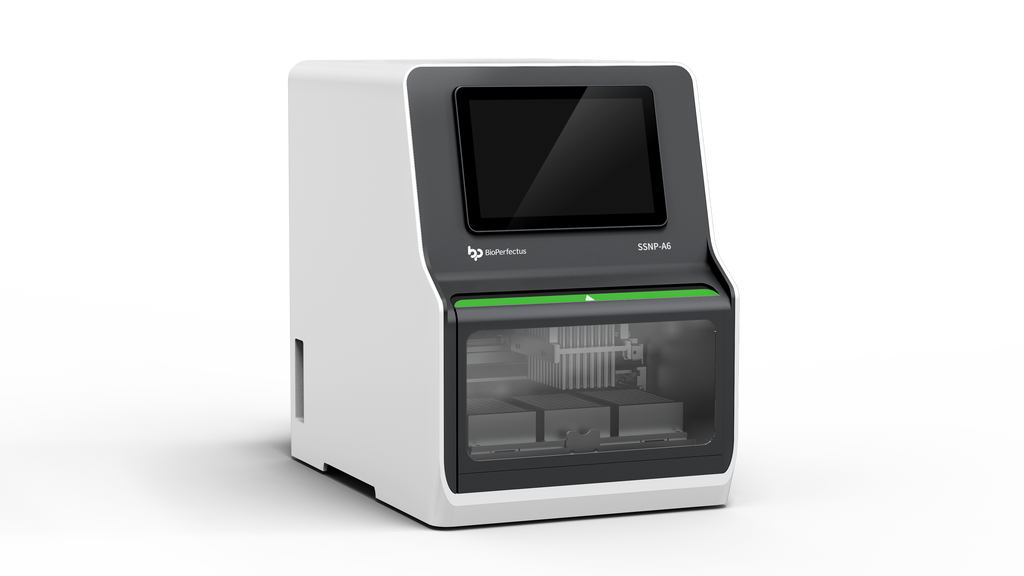
Deep Dive: Where Traditional Systems Fall Short
Why do established extractors struggle in practice?
I link the core issue straight away: an automated nucleic acid extractor can be brilliant on paper but often trips over real-world constraints. In my experience, the main friction points are poor reagent compatibility, rigid protocol scripts, and limited handling of variable sample types. Labs face diverse specimens—blood, swabs, tissue—each with different lysis buffer needs and PCR inhibitors. Magnetic bead separation is powerful, yes, but only if the system adapts to those variables. Look, it’s simpler than you think: a one-size-fits-all setting rarely yields consistent yields across sample types.
Operational pain is not just technical; it is human. Liquid handling robots may move plates flawlessly, yet maintenance windows, tip shortages and intermittent clogs force technicians to intervene. Throughput targets crash when a single reagent lot behaves differently — and I’ve seen runs halted for hours while teams chase a protocol tweak (— funny how that works, right?). We also underestimate the time lost retraining staff when software interfaces change. In short, the flaws are a mix of hardware limits, protocol rigidity and workflow mismatch. If you ask me, solving these requires both engineering and empathy: better error reporting, modular protocol libraries, and faster validation cycles.
Looking Ahead: Principles and Practical Steps
What’s Next for labs and manufacturers?
Now I switch gears to the future. New technology principles should centre on modularity, transparency and real-time adaptability. An automated nucleic acid extractor that supports on-the-fly protocol adjustments, clear diagnostics and open reagent profiles will save hours and reduce waste. From a technical view, implementing smarter sensors to detect clogging or bead loss, and adding simple feedback loops to adjust pipetting speeds, will cut failure rates. Integrating basic edge computing nodes to process sensor data locally — not always sending everything to the cloud — keeps latency low and keeps the line moving.
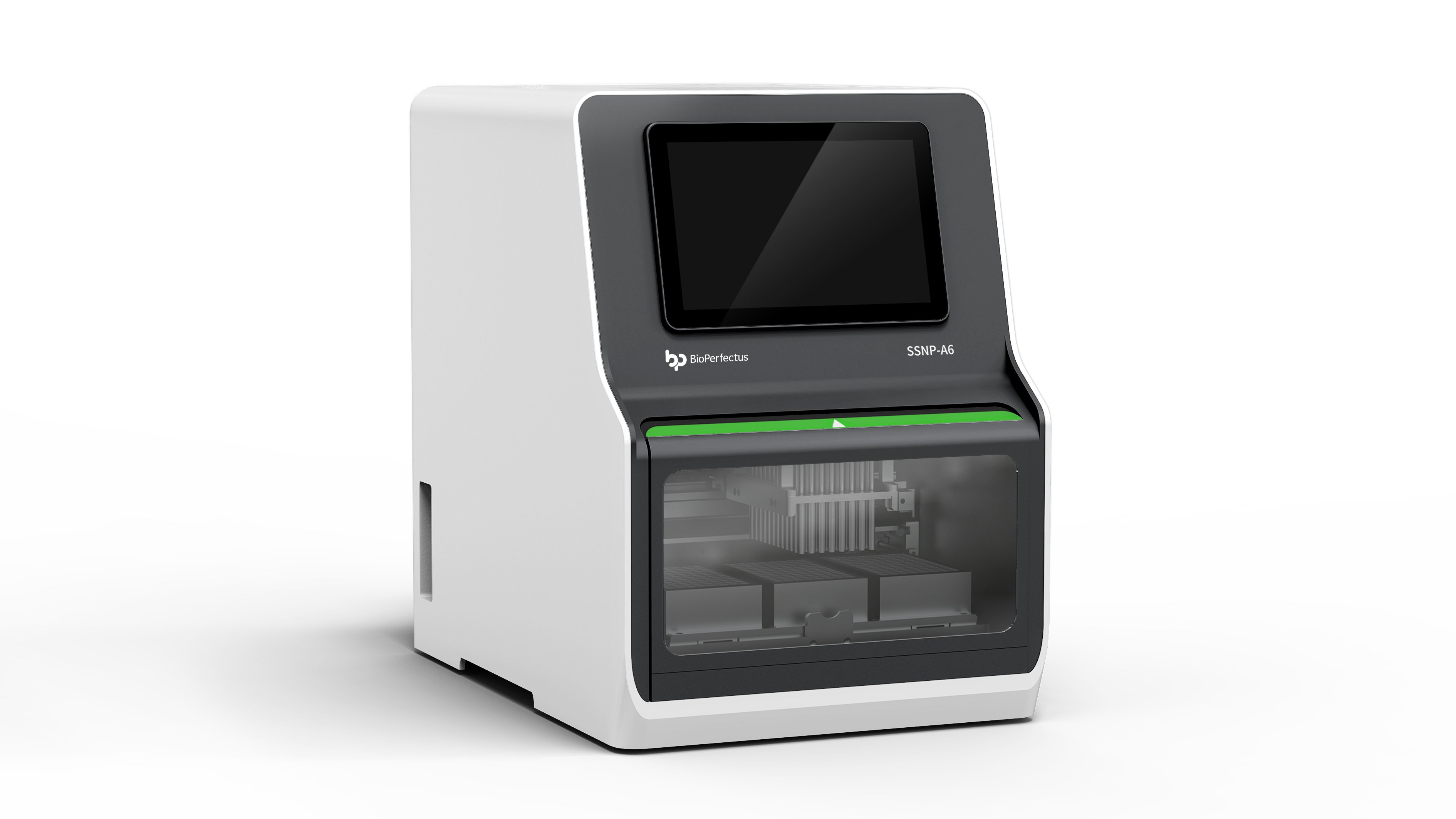
Practically, I recommend labs trial systems in small, realistic batches before scaling. Compare performance with a focus on common pain points: how does it handle viscous samples, or specimens with high inhibitor loads? Consider reagent compatibility lists and whether the vendor offers rapid validation kits. These steps sound obvious, but they reduce surprises. Also — and this matters — invest a little time in training that mirrors daily rush hour scenarios. I’ve found that confident users fix small glitches faster than any remote support ticket can.
Conclusion — How to Choose and Move Forward
We’ve covered the gaps, the fixes, and the practical steps. To close, here are three metrics I now use when choosing systems: 1) real-world throughput under mixed sample conditions (not just ideal runs), 2) the clarity and adaptability of protocol controls (is there an easy way to tweak volumes or incubation times?), and 3) the quality of diagnostics and support (fast, actionable alerts beat vague error codes). Measure these, and you’ll pick systems that actually improve your day-to-day work rather than complicate it.
I care about sensible, useful automation because I’ve seen the relief it brings when done right — and the frustration when it isn’t. If you want systems that bend to the messy truth of lab life, keep these practical metrics in your checklist. For tools and solutions that align with this thinking, I look to partners like BPLabLine for options that balance engineering and usability.