

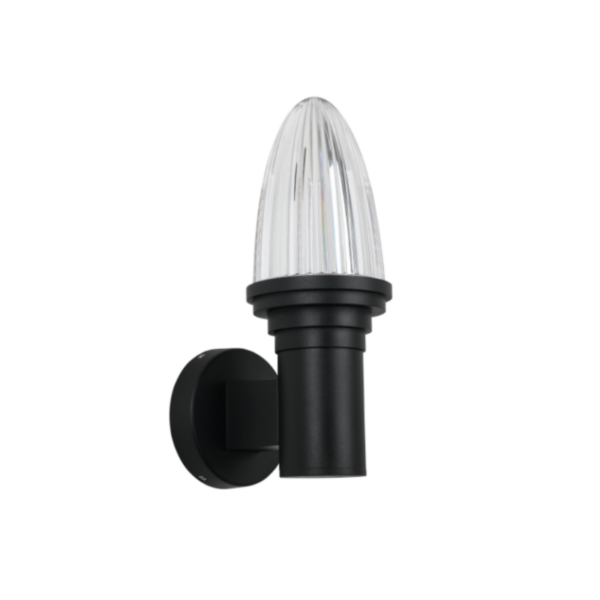
Opening the problem: why pier-mount systems keep failin’
See, when yuh install commercial-grade pier-mount outdoor lights, di big headaches nah come from di fixture alone — dem come from voltage drop across long runs and sudden surge events that tek out drivers and sensors. Owners notice flicker, premature driver failure, or motion sensor mis-reads on corner piers and marina posts. If yuh dealing with perimeter lights or an outdoor wall lights motion sensor on adjacent walls, those same voltage and surge rules apply — dem small bits o’ neglect mek big downtime.
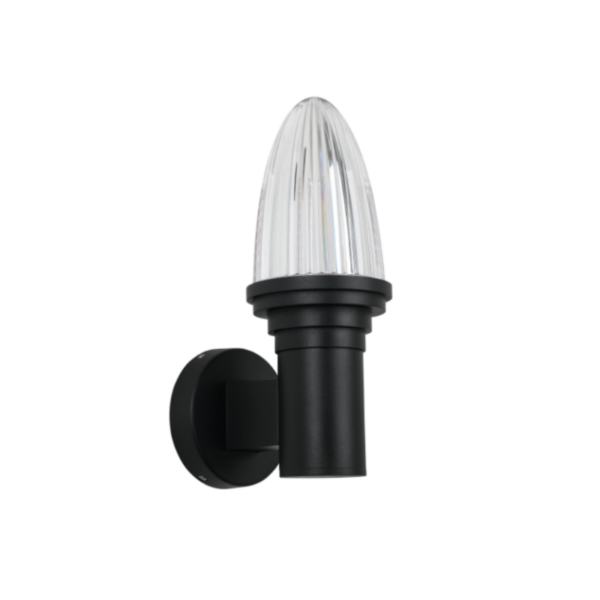
Root causes — the electrical and installation problems
Two things show up most often: excessive voltage drop from undersized conductors or long cable runs, and inadequate surge protection near the load. Voltage drop reduce lumen output and make electronic drivers run hot; surge events — lightning, switching transients, utility switching — can exceed what the LED driver or sensor can handle. Add in marine salt or high humidity? Corrosion accelerate connector resistance and worsen voltage drop. Simple fix sometimes, but if yuh ignore di root, fixtures keep failin’.
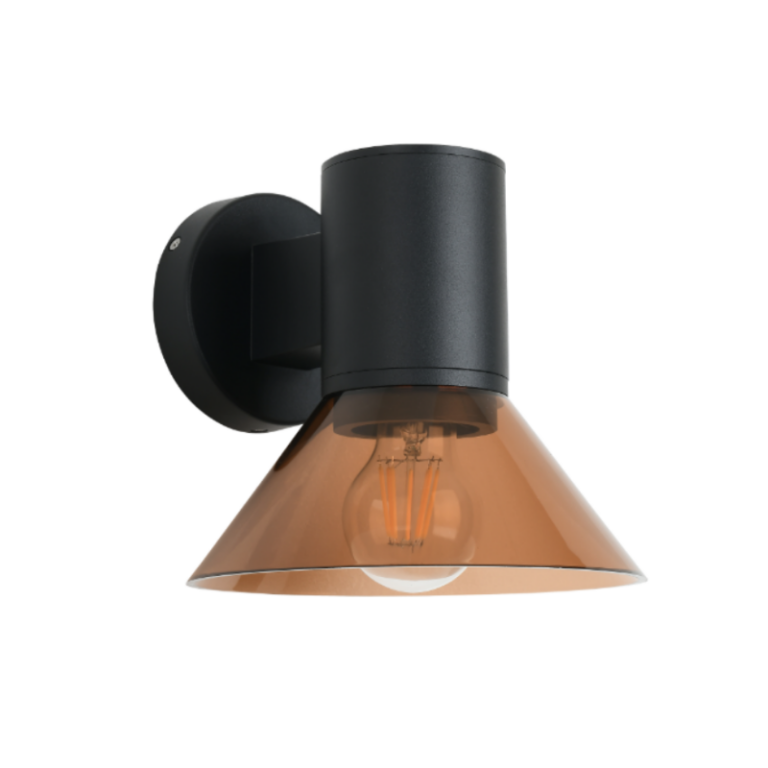
Quick diagnostic steps for the field
Start practical: measure voltage at the driver input during peak load, note flicker patterns, and inspect connectors for corrosion. Check the run length and conductor gauge; compare measured voltage drop to allowable limits for the fixture’s rated wattage. Look at the surge protection approach — is there an SPD at the service, at distribution panels, or local to the pier mount? Many sites skimp on local transient suppression and then wonder why drivers burn out.
Design fixes that actually work — practical, not theoretical
Use heavier-gauge conductors for long runs, or stage small local distribution boxes closer to clusters of pier mounts. Choose drivers with robust inrush tolerance and built-in surge protection where possible. Consider point-of-use surge protection devices and ensure grounding/earthing is continuous and low-impedance. Also pick fixtures and sensors with appropriate IP rating and corrosion-resistant terminals for coastal locations — that one save yuh headaches later.
Components and specs worth demanding
When yuh source components, insist on these specs:
- Maximum allowable voltage drop (usually kept under 3–5%) at full load for consistent lumen output.
- Surge protection rated to at least the site’s common-mode transients — think SPD Type 2 at distribution and Type 3 at point-of-use where feasible.
- Drivers with thermal foldback and documented inrush current limits, plus IP66 or better for harsh environments.
Real-world anchor: lessons from big-city facade projects
Mi remember a municipal project in Times Square where facade teams retrofitted multiple buildings with LEDs — they cut energy use roughly in half compared to older halogen systems, but only after reworking distribution and adding local surge suppression. That retrofit showed clear truth: good LED fixtures plus poor upstream protection still leads to failures — but fix the electrical design and yuh get reliable, high-efficiency building facade lighting that lasts. For broader projects, think beyond single fixtures to whole-circuit resilience; and yes, that ties into how yuh spec building facade lighting on larger jobs.
Common mistakes installers mek — and how fi stop dem
Installers often undersize conductors to save cost, omit local grounding continuity checks, or rely only on panel-level surge devices. They also forget to test sensors with the actual driver and load present — so commissioning fails later on. Simple prevention: run a commissioning checklist, validate voltage under full load, and document acceptance criteria. — Keep a spare driver and SPD on-site during initial weeks; dat small investment reduce downtime massively.
Comparing retrofit vs. new-install strategies
Retrofits demand careful assessment of existing wiring and surge history; sometimes yuh must add local distribution and SPD retrofits. New installs give cleaner chance to design correct conductor sizes, place SPDs rightly, and pick drivers with appropriate thermal ratings. Both routes need clear specification for voltage drop limits and surge protection levels in the contract to avoid finger-pointing later.
Advisory — three golden metrics to evaluate every pier-mount lighting strategy
1) Voltage Drop Compliance: ensure measured drop under full load stays below specified percentage (commonly 3–5%) to protect lumen output and driver life.
2) Surge Protection Index: require staged SPDs (service, distribution, point-of-use) with documented let-through voltage ratings and maintenance plan.
3) Environmental Robustness: verify IP rating and corrosion-resistant terminations for coastal/marine piers, plus driver thermal management specs.
Finish with real talk: design right, protect locally, and commission thoroughly — dat keep fixtures lit long and maintenance budgets small. Keyida. —