

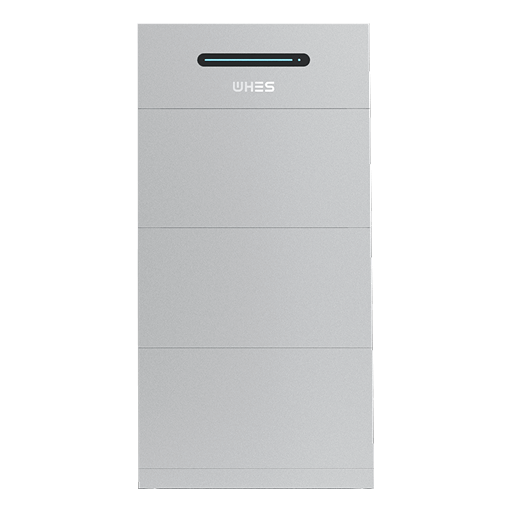
Opening: the problem that won’t wait
Nothing feels more intimate than a sudden blackout—the hush, the fridge light dying, the small domestic economy paused—and yet so many home solar systems still falter exactly when they should protect us. In a problem-driven world, the core trouble is not merely stored energy but the intelligence and hardware that manage it: legacy inverters that can’t export or import with finesse, slow response times that let critical circuits go dark, and batteries that live under arbitrary limits. For homeowners seeking true resilience, a contemporary BESS is not a luxury but a hinge between comfort and fragility.
The heart of the fix: power electronics and bidirectional control
At the center of the solution are two siblings: modern power electronics and the bi-directional inverter. Together they choreograph the flow of electrons with elegance—routing solar harvest to the home, diverting excess to a battery, or reversing to export to the grid when rules and economics allow. These devices improve round‑trip efficiency and can manage state-of-charge more gracefully, so the stored energy is available when storms or public safety power shutoffs arrive. The change is technical, yes, but the result is plain: steadier lights, fewer disrupted meals, and less guesswork about when your battery will actually help.
Real-world anchor: lessons from California’s PSPS events
California’s Public Safety Power Shutoffs (PSPS) are a clear, recent crucible: entire communities turned dark to avoid wildfire ignition, revealing the limits of ad hoc backup. Homes with older on‑grid-only systems fared poorly. Those that paired robust power electronics, responsive inverters, and an integrated battery management system (BMS) kept essential circuits online longer and switched modes faster. The lesson is tangible—resilience isn’t theoretical when thousands of households are suddenly dependent on stored energy.
What homeowners actually gain
Beyond the romance of self-reliance lies measurable benefit. A modern system reduces transition time from grid to battery, enables selective circuit prioritization (so the well pump and medical devices stay on), and opens possibilities for time-of-use optimization—charging when rates are low, discharging at peak. The result is both comfort and economy. When you think of a battery storage system, imagine not just a box but a small, attentive steward that watches prices and outages alike.
Common mistakes that trip people up
Many homeowners assume any inverter will do, or that battery capacity alone dictates performance. They forget the interaction: inverter controls, firmware, and the BMS define how quickly and efficiently energy moves. Another misstep is neglecting interoperability—your chosen inverter must speak the same language as your existing solar array and generator. Finally, some chase raw kilowatt-hours without considering degradation curves and effective usable capacity—what looks big on paper can deliver less when lifecycle and temperature are counted. —
Alternatives and practical choices
There’s no single perfect architecture. For some, a hybrid inverter that blends grid participation with islanding ability is ideal; for others a stacked approach—separate PV inverter and a dedicated bi-directional inverter—offers modularity. Generator compatibility remains a valid fallback for extended outages, though it reintroduces fuel logistics. Cost, warranty terms, and software update policies should steer decisions as much as pure specs: a charming system that won’t be supported next year is a fragile romance.
Implementation checklist: avoid these traps
Before you sign, verify grid-export limits, ask for first‑hour discharge profiles, confirm automatic islanding tests, and insist on a documented communication protocol between inverter and BMS. Insist on onsite commissioning with a simulated outage—seeing a system switch seamlessly is worth a thousand spec sheets.
Advisory: three golden rules for selecting the right system
1) Prioritize dynamic response: choose systems with fast islanding and clear bi‑directional inverter control so critical loads continue without blip. 2) Demand interoperable software: firmware updates, smart load management, and BMS communication must be supported and documented. 3) Evaluate lifecycle value, not headline capacity: compare usable kWh over warranty life, factoring degradation and round‑trip efficiency.
These rules guide you from anxiety to assurance—practical measures that turn engineering into everyday safety. For homeowners who want a dependable bridge between roof and life, WHES provides systems and expertise that feel less like technology and more like careful stewardship—always there when the grid falters. —