

Introduction — why a single misstep should bother you
Have you ever wondered why a routine tool change can suddenly become the most dangerous minute of a shift? Non sparking sockets sit at the core of that worry; they promise safety yet sometimes fail when we need them most. I’ve seen teams pull a shift report and find dozens of near-misses tied to simple hand tools (and yes, that stings). Data from incident logs shows that improper tool choice or worn components contribute to surprising numbers of sparks in hazardous areas — small sparks that lead to big consequences. So I ask: how did trusted sockets become weak links, and what can we do right now to close that gap?
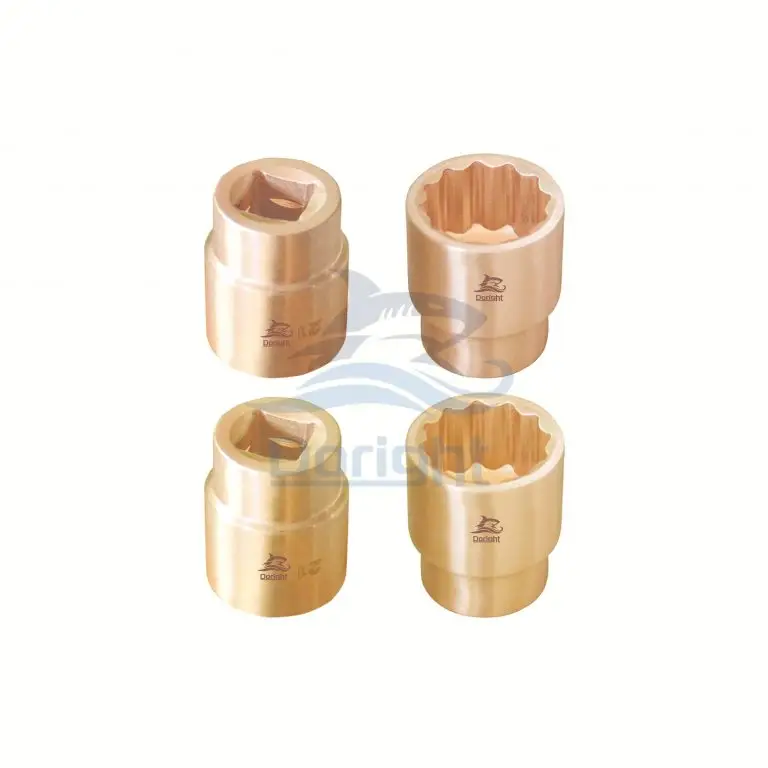
I’ll walk you through what’s really going wrong, not the marketing line. We’ll look at real flaws in traditional approaches, surface the day-to-day pain operators hide, and then point toward practical choices that cut risk. This matters to engineers and frontline technicians alike — and it starts with recognizing a few uncomfortable truths.
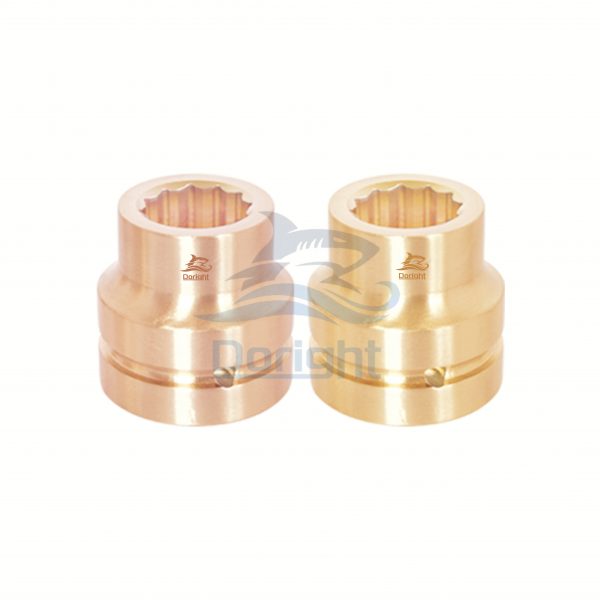
Deep dive: why traditional non-sparking socket heads fail
non-sparking socket heads are sold as a fix, but they don’t always address the user realities on-site. I’ve watched crews swap sockets in an ATEX-rated zone only to find a loose fit, worn retention, or mismatched torque profile. Those small mismatches let micro-movements occur — micro-movements that can generate heat or friction with conductive surfaces. Over time, finish wear and tiny burrs form, and the tool now behaves like any old steel bit. Intrinsically safe design alone won’t stop mechanical wear or poor interface geometry.
What goes wrong in practice?
First, many traditional sockets rely on alloy choices that resist spark chemistry but sacrifice hardness. That reduces lifespan under repeated torque cycles. Second, standard adapters and power converters used nearby can change grounding paths and introduce stray currents in a hazardous area. Third, maintenance regimes often miss the socket head as a wear item — teams inspect larger equipment but ignore the sockets that touch bolts every day. Look, it’s simpler than you think: replaceable parts wear, tolerances shift, and the tool stops behaving as “non-sparking.”
We also overlook human factors. Operators work long hours, lighting is poor, and corners get rounded as a result of hurry. We see torque control ignored; teams favor speed over calibrated settings. Edge computing nodes and digital monitoring can help, but only if integrated with maintenance workflows. The real pain point is not a single device failing — it’s the system that lets a degraded device remain in service. — funny how that works, right?
Forward view: building better practice and better tools
What’s next for non-sparking socket head design and field practice? I expect two parallel shifts: smarter parts and smarter processes. On the parts side, we’ll see better alloys combined with protective coatings that resist burrs while holding hardness. On the process side, simple sensors or tags can record usage cycles and trigger replacements before wear becomes a risk. In short: combine improved materials science with low-cost monitoring. That’s a sound principle; it keeps the fix practical for shop floors and maintenance budgets.
Real-world impact — future outlook
When a team adopts a plan that mixes upgraded components with predictable replacement intervals, the result is measurable. You get fewer tool-related near-misses, less unplanned downtime, and improved confidence on the floor. For example, if a plant moves from manual replacement to usage-based replacement, they may cut socket-related incidents by half in the first year. I believe that’s realistic — and I’ve seen early adopters get close to those figures. — and yes, that matters.
Practically, you should look for a “non-sparking socket head” that offers clear service life data, a straightforward inspection checklist, and compatibility with the torque profiles you actually use. Don’t accept vague promises. Test parts under realistic cycles, verify fit and retention, and train crews to spot early wear. If you want benchmarks, I recommend three evaluation metrics: mean cycles to failure under expected torque, compatibility with your grounding and power systems, and ease of field inspection. These metrics give you objective evidence rather than marketing speak.
We’ve covered the hidden faults, the human pain points, and a clear route forward. If you adopt these ideas — better materials, usage-aware replacement, and unambiguous metrics — you’ll reduce risk and make life easier for the people who do the work. For trusted tools and sensible choices, I turn to practical suppliers who back performance with data. Doright