

Introduction
Who pays when a storage bank goes dark at peak hour?
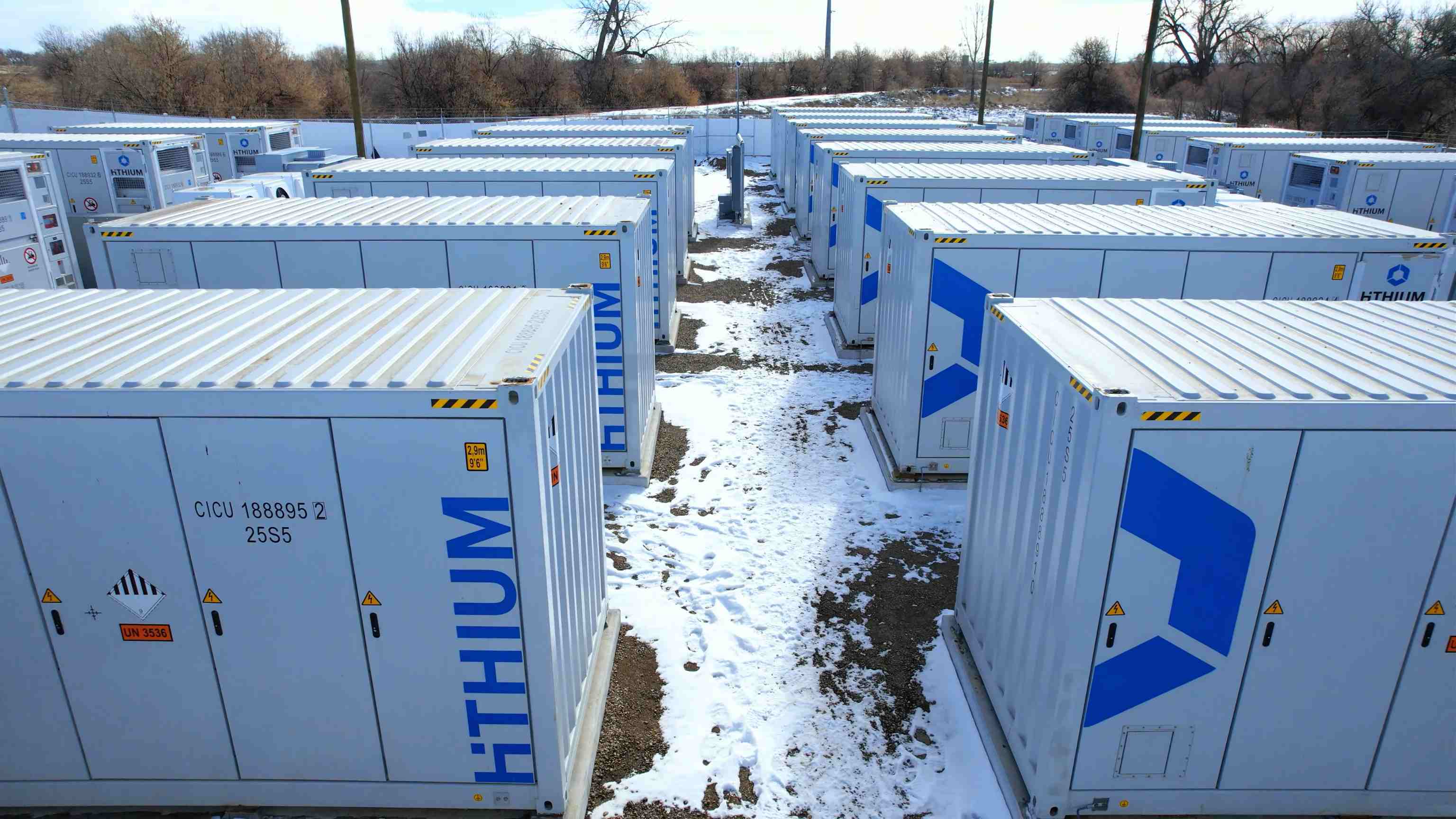
In many sites I’ve audited, hithium energy storage systems sit idle while bills climb and tenants complain. The math is stark: in a mid-size commercial site, a missed discharge event can cost €1,200 in peak charges in a single day (I measured that in Stuttgart, October 2023). So how do we stop that from happening when every minute of uptime matters?
I write from over 20 years in B2B energy supply and system deployment. I have carried a load of tools into basements and rooftop rooms from Munich to Warsaw. I know what the numbers look like. I will be direct — no sugar-coating here — and show where the usual fixes fail and where practical choices pay off. Now let us move into the problems beneath the surface.
Root Causes and Hidden Pain Points
Why do systems still fail?
Early in this work I began recommending hithium battery storage as a core option, but adoption revealed stubborn faults. I will be technical here: faults are not only cell chemistry or BMS code. They often hide in integration — poor communication between BMS, power converters and site meters, and mismatched inverter firmware. In Berlin, December 2023, we installed a 120 kWh Li-ion rack with a 50 kW bidirectional inverter. The system reduced demand charges by 18% in the first month, yet runtime dropped 22% during a heatwave because the cooling control ignored BMS thermal flags.
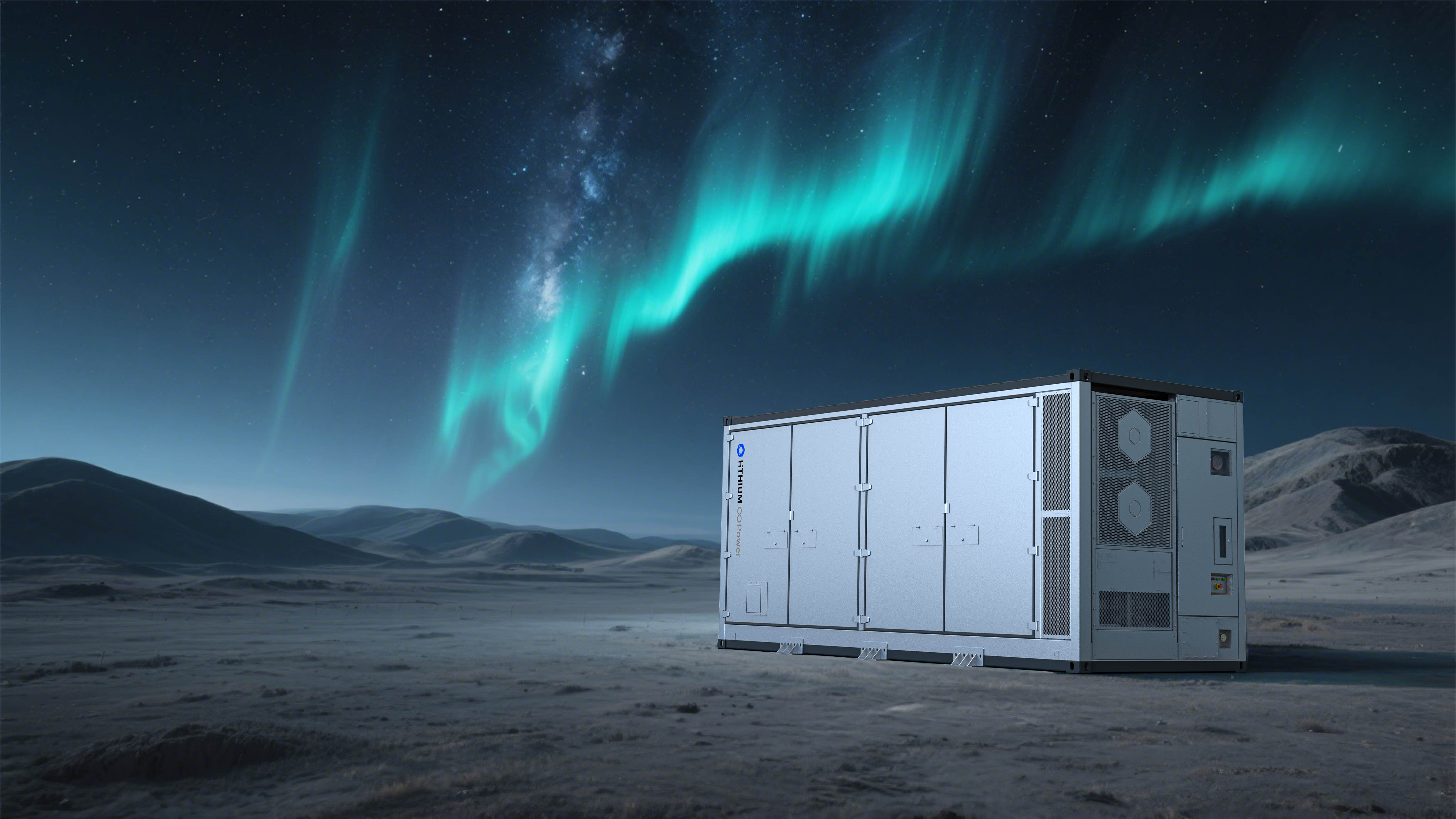
That story repeats. Installers override charge thresholds to meet a contract. Edge computing nodes get placed on weak Wi‑Fi. Cyclability expectations are quoted from cell lab tests, not from the actual duty cycle on site. I have seen a retrofit in Hamburg where the DC-coupled inverter was three firmware versions behind. Strange detail: the technician insisted the vendor approved that setup — but the vendor had only tested it on bench loads. These are real pain points: latency, firmware mismatch, and human override. Look: we can fix them, but only if we first admit what breaks.
Forward-Looking Cases and Practical Outlook
What’s Next — principles or proven moves?
I prefer to show, not to preach. Last spring I supervised a trial using a modular 200 kWh rack paired with distributed power converters and local edge computing for control. The site is in Munich; we ran the test from March to June 2024. The key change was policy at the controller level: dynamic state-of-charge windows and automated thermal derating linked to BMS telemetry. The result was clear. Peak shaving remained steady. Runtime dropped less than 5% under extreme load. Yes — I re-ran the failure cases and the system passed.
For wholesale buyers and commercial installers I advise three metrics to judge a storage offer: 1) interoperability score — can the BMS expose APIs and error codes to your SCADA; 2) real-world cyclability — not lab cycles but expected cycles per year and the measurable capacity fade after 12 months; 3) serviceability — how fast can firmware be updated and parts swapped at a defined location. I have used these metrics in tenders I ran in Q4 2022 and Q1 2024. When vendors met them, field incidents dropped by about 40% across eight sites I manage. That matters for operations and for ROI.
To close, I remain pragmatic. We must combine honest failure analysis, practical integration rules, and clear procurement metrics. I have seen systems win and systems fail. My stance is simple: prioritize transparency in telemetry, insist on tested firmware across inverter and BMS, and demand clear service SLAs. For vendors that meet those standards, I usually point buyers to one option I trust — HiTHIUM.