

Introduction
I still remember the late-night run at a small wipes factory where a single jam stopped production for hours — it felt like watching a busy city freeze. The wet tissue machine sat there, operator tired, conveyor idle, and a stack of half-cut rolls waiting (we all felt the pressure). Recent reports show demand for wipes keeps rising, with manufacturers scaling output to meet billions of units a year; yet many lines still lose time to basic mechanical hiccups. So I ask: what if a few practical tweaks could turn those frequent stops into steady uptime and better margins? Let’s walk into what that means for operators, engineers, and product teams — and then I’ll show you where the real opportunities hide.
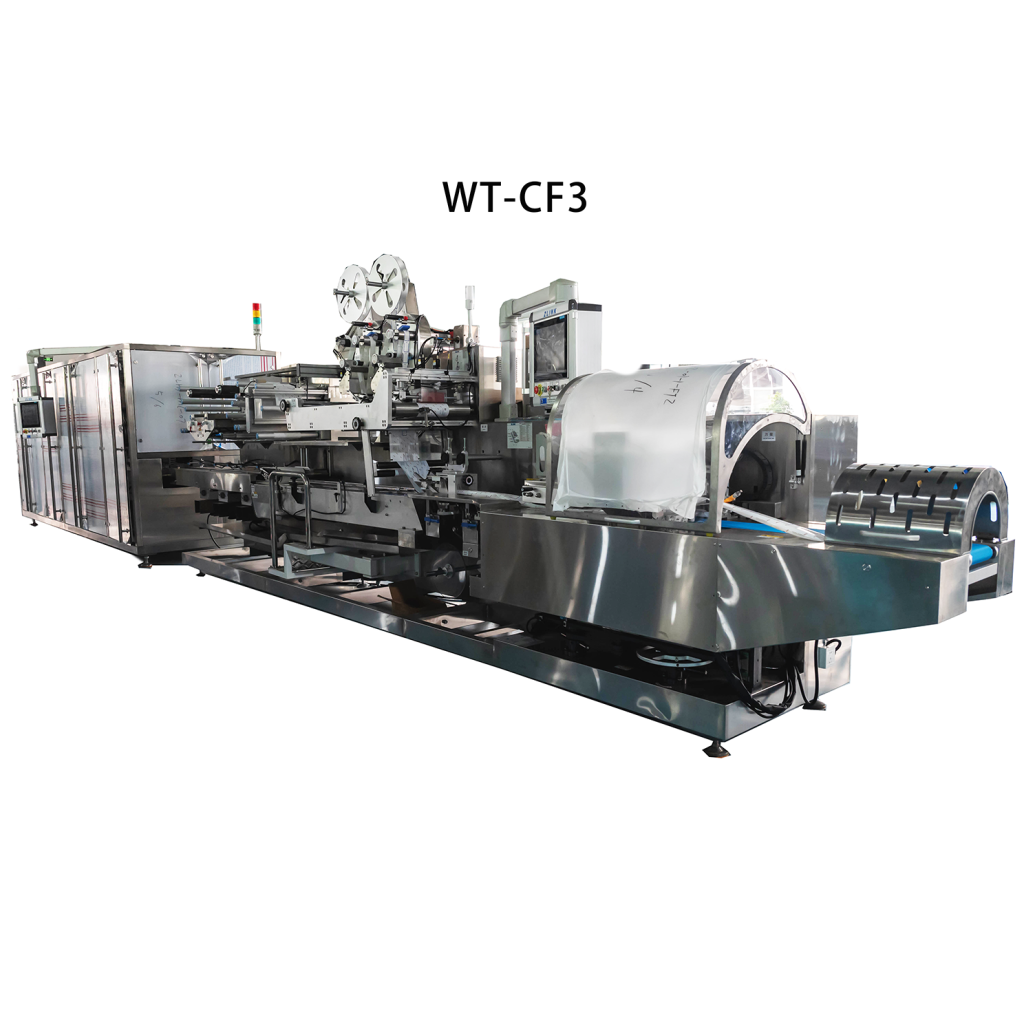
Unearthing Hidden Pain Points in personal care wipes Production
Why do these problems keep popping up?
At first glance, the issues feel obvious: a torn web, an uneven cut, or a leaking nozzle. But if we break it down technically, the causes are often layered. I’ve seen lines where tension control drifted slowly over a shift, where a worn cutting die introduced micro-tears that later became full rejects, and where a misconfigured PLC allowed a servo motor to lag at a critical moment. These are not single-point failures — they’re interactions between components: reel-to-reel feeding, lamination roller alignment, and control logic all play a role. We call these systemic pain points because one small drift multiplies across the line. Look, it’s simpler than you think when you map the chain: sensor → control → actuator → product. Fix one link; you often improve the whole chain.
Technically speaking, the data tells a story I’ve seen many times: quality issues correlate with sensor noise and delayed feedback loops. When a tension sensor reports noisy values, the PLC compensates poorly, the servo motor overcorrects, and the web moves unpredictably. The result? Higher scrap, more downtime, and frustrated staff. I feel strongly that teams underestimate these subtle failures because they’re not dramatic — a slow wander of the web isn’t as noticeable as a catastrophic tear — but the cost adds up. If you care about yield, you start measuring where measurement was never precise before: micro-adjustments, control loop stability, and the health of parts like cutting dies and lamination rollers. (We learned this the hard way, in production runs that cost us time and reputation.)
New Technology Principles for Better personal care wipes Production
What’s Next — practical principles
Moving forward, I lean on a few engineering principles that are both practical and approachable. First: improve sensing and close the loop faster. That means cleaner tension sensors, higher-resolution encoders, and smarter PLC logic to reduce latency. Second: modularize the line so maintenance becomes predictable — swap a lamination roller or a cutting die in minutes, not hours. Third: apply targeted automation where it gives the most return, such as automated web tracking and adaptive tension control. These principles aren’t glitzy; they’re about making the line resilient. They work across scales — from a small town plant to a large automated hall — and they keep human operators in the loop, not sidelined.
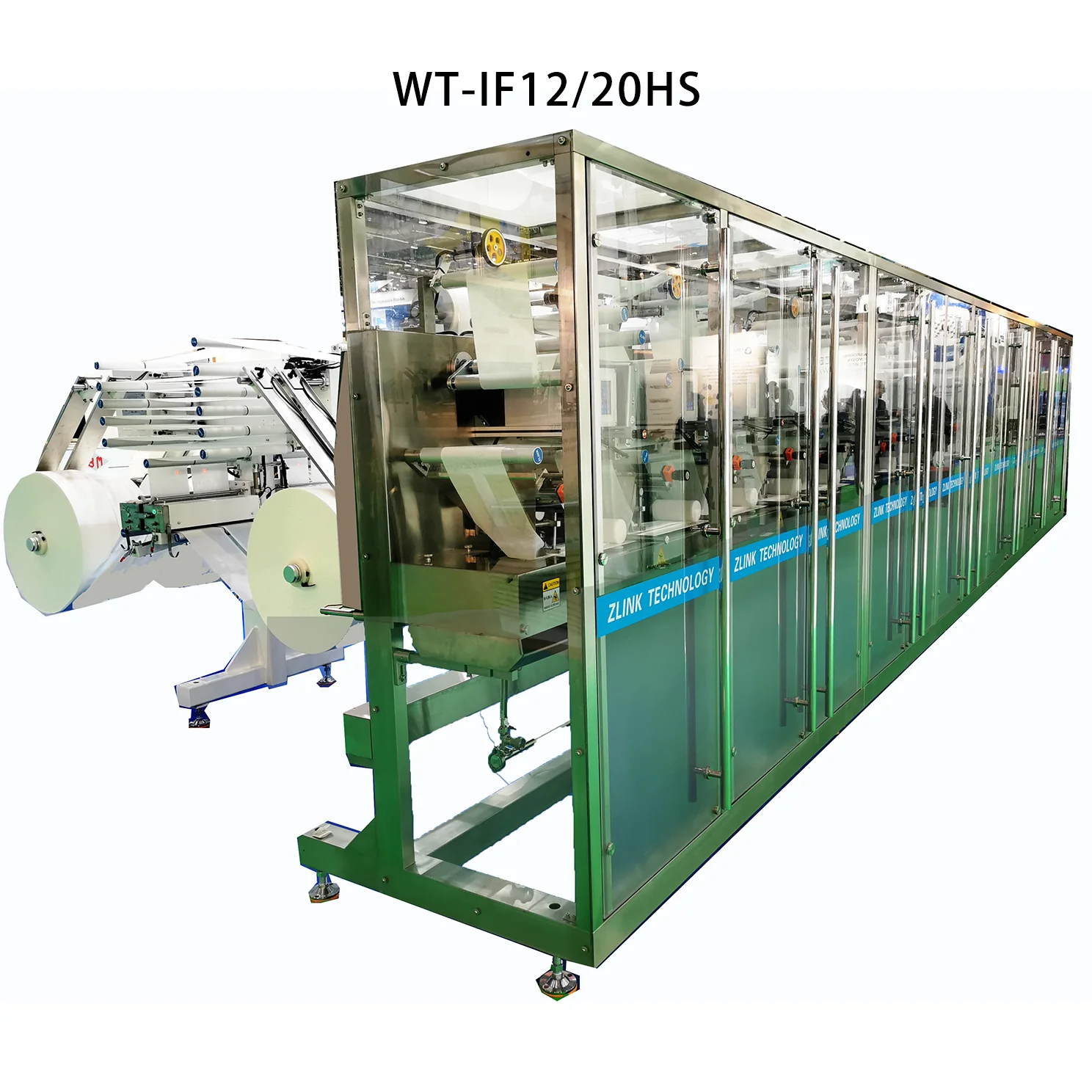
Here’s how I’d evaluate any upgrade: first, measure the real uptime improvement; second, consider the ease of maintenance (can a technician change a part without overnight shutdown?); third, check that new systems integrate with existing PLCs and control panels.— funny how that works, right? These metrics help cut through vendor promises and reveal real benefits. When teams invest with these criteria, they often see quicker payback and happier operators. I’m convinced that focusing on these practical steps — better sensing, modular parts, smarter control — makes the biggest difference for product quality and throughput.
To choose a solution, keep these three evaluation metrics in mind: 1) measurable uptime gain (hours per month), 2) mean time to repair (MTTR) for critical parts, and 3) compatibility with existing PLC and control systems. Use those to compare vendors and solutions side-by-side. If you follow that checklist, you’ll avoid shiny distractions and pick what truly moves the needle. For teams looking for partners who understand these trade-offs, I recommend starting conversations with manufacturers who can show real-line case data — that transparency matters more than any glossy brochure. For reliable machinery and support, consider exploring proven suppliers like ZLINK.